Tomahawks and a 33% Ceasefire: Reading the Second Day of US-Iran Fire
Forty-nine cruise missiles, two consecutive days of exchange fire, and a market that has stopped pretending the ceasefire was ever going to hold. The next 72 hours will decide whether this is a skirmish or the start of a wider war.
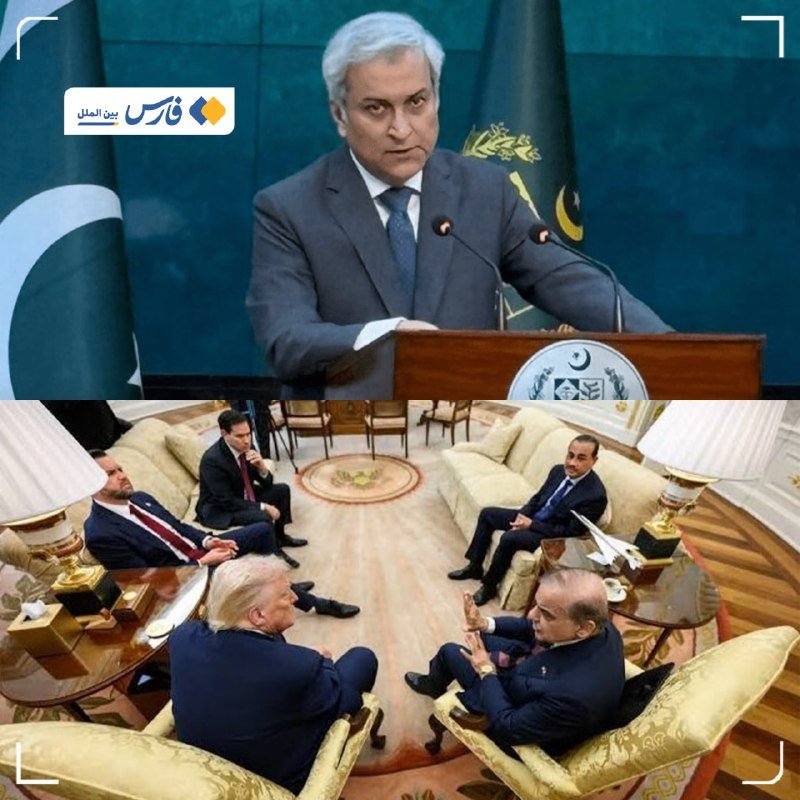
Forty-nine Tomahawk cruise missiles struck targets across Iran overnight, the US military confirmed in the early hours of 11 June 2026 (UTC), making this the second consecutive day of open US-Iran exchange fire and effectively burying the ceasefire that markets had been pricing for the better part of a month. Telegram monitors tracking the strikes put the salvo at 49 missiles (t.me/WarMonitors, 11 June 2026, 09:42 UTC). Reuters reported a second consecutive day of mutual fire, describing the situation as one that has "undermined [a] shaky ceasefire" (reut.rs/4vHx1TW, 11 June 2026, 08:50 UTC). The same wire's markets desk noted that shares retreated and oil climbed as the strikes were confirmed (reut.rs/4e43OfW, 11 June 2026, 09:25 UTC).
The headline number tells you almost nothing. The interesting figure is the one prediction markets are now printing: a 33% probability that a US-Iran ceasefire agreement is reached this month, against a 67% probability that a permanent peace deal is achieved by year-end (polymarket.com/event/us-announces-new-iran-agreementceasefire-extension-by and polymarket.com/event/us-x-iran-permanent-peace-deal-by, 10 June 2026, 21:41 and 17:21 UTC respectively). In plain language: traders no longer believe the near-term pause is salvageable, but they still believe the year resolves into something durable. That gap — short-term catastrophe priced in, long-term resolution still the modal outcome — is the whole story of the morning.
What the second-day strikes actually are
A single Tomahawk salvo is an escalation; a second-day exchange is a doctrine. By the time the first reports filtered through War Monitors and into Reuters' markets desk, the US had moved from a punitive, one-night operation into a sustained pattern of fire. The 49-missile count is the kind of figure that US Central Command releases to signal that this is a deliberate, multi-target campaign rather than a retaliatory pinprick. That is the operational read, and it is consistent with what the wire is now describing as fire exchanged for a second consecutive day.
The human cost is the figure that the diplomatic cable traffic has not yet caught up with. According to reporting cited by the FT and circulated by Unusual Whales, Iran has said that 20,000 people were left without water after US strikes hit reservoir tanks (x.com/unusual_whales, 10 June 2026, 19:41 UTC, citing the Financial Times). That is not a refinery; that is civilian infrastructure. The 20,000 number, if it survives independent verification, is the line that Tehran will use to make this a humanitarian file at the UN rather than a military exchange between two nuclear-armed states. The Iranian mission in New York has been here before, and the script is well-rehearsed.
The market is doing the talking
The Reuters markets note is the most honest read of the situation. Equities sold off, with tech extending an existing slide, and crude moved higher — the textbook pattern when a Middle East escalation combines with a pre-existing risk-off in the growth complex (reut.rs/4e43OfW). What the market is not doing is pricing a regional war: Brent is not up 15%, the VIX is not blowing out, and Polymarket's 67% year-end peace-deal probability is the kind of number you only get when serious money thinks a negotiated end-state is still the base case. That does not make the next 48 hours safe. It makes them binary.
The ceasefire bet at 33% is, in effect, the market saying: the US wants a deal, Iran wants a deal, but neither side's domestic politics will survive the optics of being the first to climb down after a second day of strikes. That is why the 67% year-end figure is the more important read. A 33% ceasefire and a 67% peace deal can only coexist if traders believe the next month is for face-saving and the rest of the year is for substance.
What the framing misses
Two reads of this story are circulating, and both are incomplete. The first is the Washington default: this is a deliberate, limited escalation designed to bring Tehran back to the table with a degraded negotiating position. That read is plausible, but it has to explain why the second day looks more like doctrine than bargaining. The second is the Tehran line, picked up by FT-sourced reporting on the reservoir strike: this is a US campaign against Iranian civilian infrastructure, and the 20,000 figure is the case file. That read is also plausible, but it has to explain why Iran's reported response has not yet been calibrated to the same scale.
The structural point — and this is the part the wires will not write — is that the US and Iran are now inside a pattern where the ceiling on escalation keeps moving up, not down, and the floor under negotiation is the only thing preventing this from widening. Every round lowers the threshold for the next one. The 49-missile strike is not the ceiling; it is the new floor. That is what a second day of fire means in operational terms.
What we do not know
The sources do not specify the targets of the 49 Tomahawks, the casualties on either side, or whether the reservoir-tank strike that has been attributed to the US in FT-sourced reporting is the same strike package reported by Telegram monitors. The Iranian claim of 20,000 people without water is, at this point, an Iranian claim, and it will need to be corroborated by independent satellite imagery or UN agency reporting before it moves from allegation to established fact. Polymarket's probabilities are also a sentiment indicator, not a forecast — they reflect where informed money is willing to take the other side, not what the next two weeks will look like.
What can be said with confidence is that the ceasefire priced into markets in late May is no longer operative, that the US has chosen to escalate rather than absorb a second-day exchange, and that the next 72 hours will determine whether this stays inside the box of a punitive operation or widens into the kind of conflict that the year-end peace-deal probability is currently discounting against.
— Monexus framed this through Polymarket pricing and Reuters' second-day reporting rather than the Tomahawk headline count alone; the wire lead was a missile tally, the structural read is the gap between the 33% and 67% probabilities.
Wire provenance
This editorial synthesis draws on the following public wire/social posts:
- http://reut.rs/4vHx1TW
- http://reut.rs/4e43OfW
- https://x.com/unusual_whales/status/
- https://t.me/WarMonitors/
Follow the event.
These dated source records provide context. They do not retrospectively verify this archive article.
Separate what the nuclear watchdog reported from what it could not determine after the June 2025 strikes.