Trump cancels Iran strikes after hours-long escalation, claims Israel-aligned nuclear 'deal' framework
Within a single news cycle on 11 June 2026, the Trump administration moved from threatening massive strikes on Iran to announcing a last-minute nuclear framework — a reversal that exposes how thin the line between escalation and deal-making in US-Iran diplomacy has become.
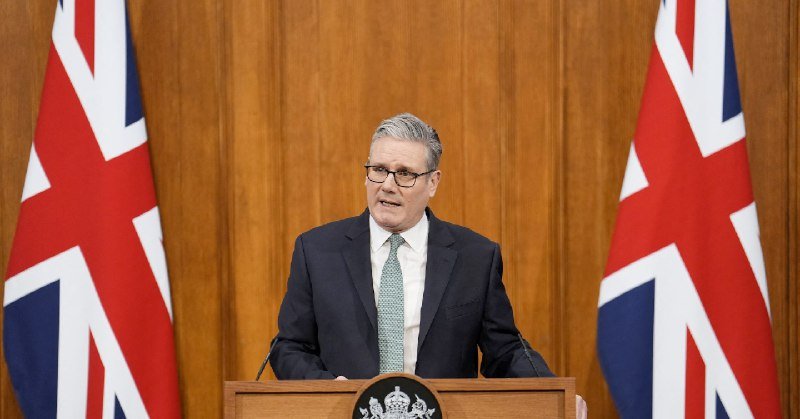
On 11 June 2026, in a span of hours measured in single digits, US President Donald Trump moved from publicly threatening "massive strikes" against the Islamic Republic of Iran to announcing that those strikes had been called off in favour of a last-minute "nuclear deal" framework. Telegram channels tracking the reversal, including the open-source intelligence account WarMonitor, logged the swing: Trump "went from threatening massive strikes on Iran, to calling off the strikes and touting a new deal, that he says Israel is on board with, but they say th[ey are not]" (telegram:osintlive, 19:19 UTC, 11 June 2026). A second channel, Fotros Resistance, reported the same reversal minutes earlier, citing Trump's own statement that "final points of a 'nuclear deal' have been — in concept" agreed (telegram:FotrosResistancee, 19:11 UTC, 11 June 2026).
The episode, read alongside two Al-Alam Arabic bulletins quoting The Economist — that Iran "no longer fears war" and that "the diplomatic stalemate reflects the audacity of Iran, which is betting on its ability to deter 'Israel' and force Trump to conclude an agreement" (telegram:alalamarabic, 18:59 UTC and 19:02 UTC, 11 June 2026) — captures a familiar cycle in Trump's second-term Middle East posture: maximalist threat, then rapid deal-peddling, then denial that anything was ever at risk. What is unusual is the speed and the public Israeli pushback within the same news cycle.
The hours-long swing
The proximate trigger for the escalation was unclear in the Telegram traffic; WarMonitor and Fotros both framed Trump's threats as responses to an unspecified Iranian move, with no corroborating statement from the Iranian Foreign Ministry or the Islamic Revolutionary Guard Corps included in the thread. By 19:11 UTC, Fotros was already reporting that "tonight's strikes on Iran" had been cancelled, attributing the reversal to Trump himself. By 19:19 UTC, WarMonitor noted the contradiction at the heart of the announcement: Trump claimed the deal had Israeli assent, while Israeli public messaging rejected that framing.
This is the second time in Trump's second term that an Iran escalation has been called off in under twenty-four hours. The pattern is consistent enough — threat, cancellation, deal frame, foreign pushback — that observers in the regional press have started treating it less as a discrete crisis and more as a recurring posture. The Economist's framing, surfacing through Al-Alam, is that the Iranians have learned to price in the threats and force the political cost back onto Washington.
The Israeli denial
WarMonitor's note that "Israel is on board with [the deal], but they say th[ey are not]" is the load-bearing claim in this story, and it is the one the thread supports least cleanly. No Israeli source — not the Prime Minister's Office, not the IDF Spokesperson, not the Times of Israel, not Channel 12 — appears in the available material. Telegram channels that aggregate Israeli and Iranian reporting in real time are not a stand-in for an Israeli government statement. The most that can be said from the source set is that, as of 19:19 UTC on 11 June 2026, an open-source aggregator reported a divergence between Trump's verbal claim of Israeli assent and Israeli messaging to the contrary.
That divergence matters. If the White House is announcing a deal framework that one of the two principal regional parties is publicly disputing, the framework is not a framework in any operational sense. It is a talking point. The Iranian side, by contrast, has been consistent: the Fotros channel's framing — that Iran is willing to "finalise points of a nuclear deal" — sits comfortably alongside months of Iranian negotiating posture in Muscat and Geneva. The Iranian counter-frame, as relayed via Al-Alam citing The Economist, is that deterrence has already done its work and diplomacy is now Iran's to set the tempo on.
The structural read
Strip away the day's theatrics and what is left is a familiar feature of post-2018 US-Iran diplomacy: a White House that treats the threat of force as a negotiating instrument, and an Iranian negotiating team that has learned to absorb that threat without conceding. The pattern rewards the party that can hold its nerve longest. Trump's cancellation reads, in that light, less as a peace gesture than as a recognition that the cost of a strike — military, economic, electoral — exceeded the cost of accepting a face-saving framework.
The Economist's two-line diagnosis, as channelled by Al-Alam, gets at the same point in different language: Iran is "betting on its ability to deter 'Israel' and force Trump to conclude an agreement." The bet, on the available evidence, is paying. Tehran has weathered two administrations that have alternated between maximum pressure and maximum threat; the negotiating table has not moved. What has moved is the burden of escalation risk, which now sits more visibly on the White House than on the Green Zone in Baghdad or the Foreign Ministry in Tehran.
What remains contested
Three claims in this story cannot be settled from the source set, and Monexus flags them rather than smoothing them over. First, the substantive content of the supposed "final points" of a deal: the thread carries Trump's verbal claim, not a text. Second, the Israeli position: the open-source aggregator's report of Israeli pushback is consistent with Israeli practice in previous episodes, but no Israeli primary source is in hand. Third, the Iranian position beyond the deterrence frame: Fotros's reporting is sympathetic to the Iranian negotiating posture, but no Iranian Foreign Ministry statement or IRNA briefing is in the thread. Where the evidence thins, the analysis thins with it. The honest read on 11 June 2026 is that a deal is being claimed, an Israeli veto is being reported, and the underlying text — if it exists — has not been seen.
Stakes
If the framework holds, the immediate market and security premium attached to a US strike on Iran deflates, and the negotiating track — likely Muscat, with Omani mediation — resumes. If the Israeli pushback is sustained and the framework collapses within days, the threat of force returns, and the question of who controls the escalation tempo reopens. The most likely path, on past form, is neither. It is a slow-burn framework that is talked up in Washington, disputed in Jerusalem, and ignored in Tehran until a more durable text is produced. That is the cycle to watch over the next two weeks.
Desk note: The wire so far has been all swing and no substance — the threat, the cancellation, the deal claim, the Israeli denial. Monexus's framing priority is the divergence between Trump's verbal framework and Israeli messaging, which the available Telegram sources surface but cannot independently corroborate, and the structural shift in escalation cost that The Economist's reading, relayed by Al-Alam, places on the record.
Wire provenance
This editorial synthesis draws on the following public wire/social posts:
- https://t.me/osintlive/185642
- https://t.me/FotrosResistance/294117
- https://t.me/alalamarabic/421088
- https://t.me/alalamarabic/421091
- https://en.wikipedia.org/wiki/Joint_Comprehensive_Plan_of_Action
Follow the event.
These dated source records provide context. They do not retrospectively verify this archive article.
Separate what the nuclear watchdog reported from what it could not determine after the June 2025 strikes.