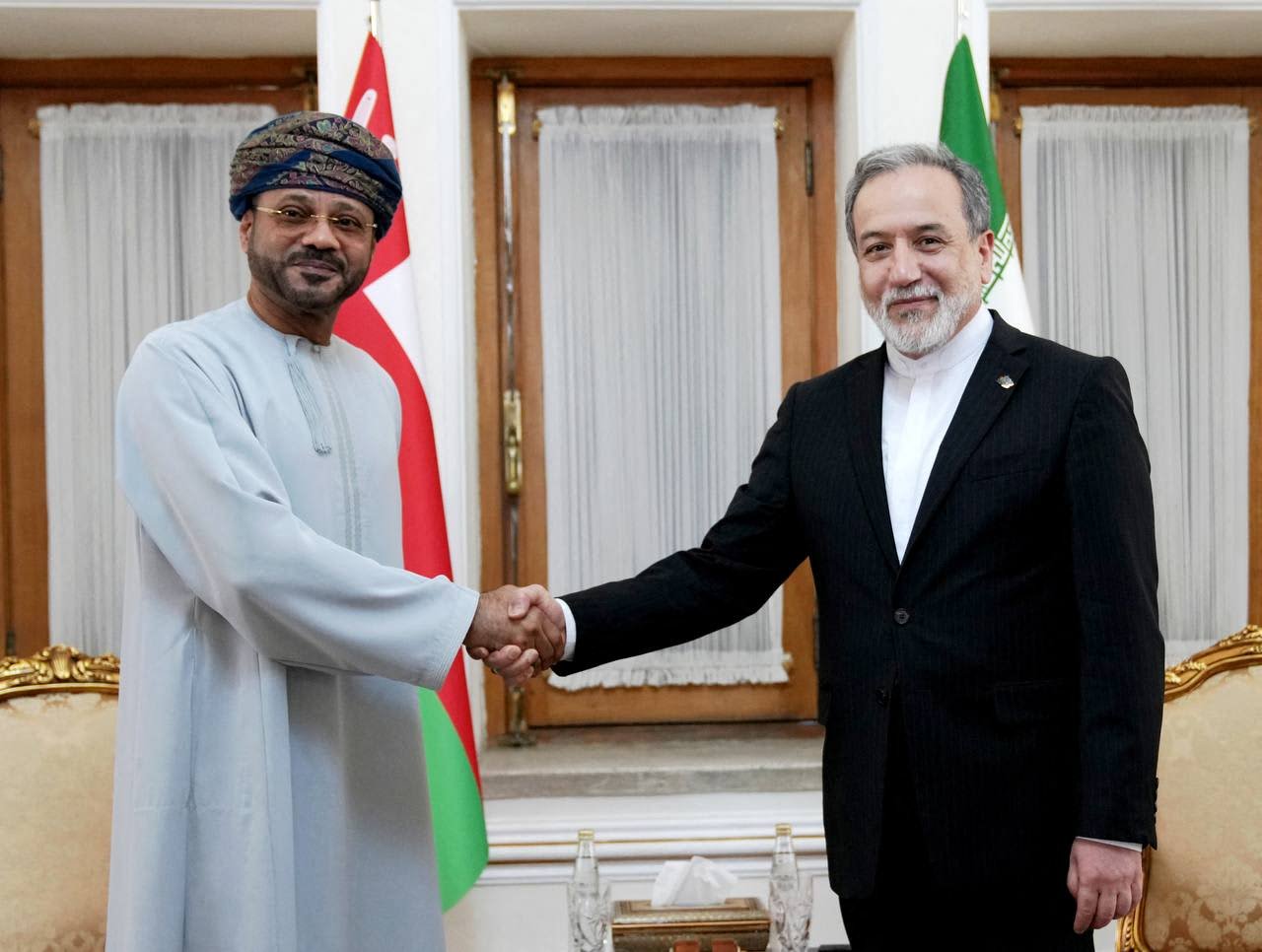
Trump says US-Iran deal is 'wrapped up,' but a naval blockade and unanswered terms remain

By 19:40 UTC on 11 June 2026, the diplomatic weather between Washington and Tehran had shifted twice in the same afternoon. Cointelegraph's markets feed carried a 17:45 UTC item in which President Trump said planned US strikes on Iran had been cancelled, with a naval blockade remaining in place pending a final agreement; by 19:40 UTC the BRICS News channel reported Trump saying a deal could be signed "this weekend" in Europe with Vice President JD Vance in attendance, and by 20:25 UTC the same Cointelegraph feed carried Trump's characterisation that the arrangement was "all wrapped up." The arc of the day — from imminent strikes to imminent signing — is the story; the substance of what was actually agreed is, for now, the gap.
What the public record shows is a sequence of presidential statements, not a signed text. NPR's news desk reported at 20:04 UTC on 11 June that Trump had previously been escalating his rhetoric against Iran before reversing course, framing the peace deal announcement as one to be expected "soon." The Middle East Spectator account of the same 19:40 UTC remarks added that Trump identified the European signing venue and named Vance as the US representative. None of the reports circulating as of late 11 June UTC contained the text of an agreement, the identity of Iranian signatories, or confirmation from Iranian state media that a final document had been initialed.
What changed, and what didn't
The most concrete operational fact in the reporting is what did not change. Cointelegraph's 17:45 UTC item — a wire the desk has tracked across two republications — states that a US naval blockade of Iran remains in effect, with its continuation explicitly tied to the conclusion of a final agreement. Blockades are not rhetorical instruments; they are physical control of shipping lanes, vessel boardings, and sanctions enforcement. Until that posture is rescinded, the diplomatic language of "settlement" and "wrapped up" sits on top of an active coercion regime.
The second operational fact is the timing of the reversal itself. NPR's 20:04 UTC write-up notes that Trump had, in the period immediately preceding the announcement, been "amping up his rhetoric" — language consistent with a pressure track that was abandoned mid-stream. That sequencing matters: it implies the deal-in-progress is a product of a threat that was never executed, rather than a settlement that followed a war.
The third operational fact is the signing arrangement. Per the 19:40 UTC Middle East Spectator item and a parallel 19:40 UTC BRICS News post, Trump said the agreement would "likely" be signed over the weekend at a European location, with Vice President Vance attending. The conditional verb ("likely") and the absence of a counterpart attendee name indicate this remains a US-side schedule announcement, not a confirmed joint ceremony.
The Iranian counter-narrative
The thread context does not include an Iranian state-media confirmation of a final agreement. That absence is itself the story. Iranian outlets — IRNA, Mehr News, Press TV, Tasnim — and intermediaries such as the Middle East Spectator have, in parallel with Western wires, become a primary channel for Tehran's framing of any negotiation. As of 20:25 UTC on 11 June, no Iranian-side announcement of a final text has been cited in the available feed. Trump's "great settlement" language, carried by BRICS News at 19:35 UTC, is a unilateral characterisation until a Tehran correspondent is on the record.
The structural asymmetry here is well-established: US presidential statements travel instantly through the wire ecosystem, while Iranian government communiqués typically clear a slower editorial process in which multiple institutions — the Foreign Ministry, the Supreme National Security Council, the office of the Supreme Leader — coordinate before a deal is publicly confirmed. The probability that a signed text exists and has not yet been announced in Tehran is real; the probability that the deal is final on Washington's preferred schedule is lower than the afternoon's headlines suggest.
The market translation, briefly
Markets react to certainties and to probabilities in roughly that order. The Cointelegraph feed, the only financial source in the thread context, framed both the 17:45 UTC strike-cancellation item and the 20:25 UTC "wrapped up" item under a Markets tag. The intermediate item in the feed — Coinbase's 17:10 UTC launch of "Coinbase for Agents," allowing AI agents to trade and manage portfolios under user-defined guardrails — is unrelated to the Iran story but useful as a reminder of what financial infrastructure is doing while diplomacy moves: more autonomous execution, more programmatic exposure, more capacity to reprice geopolitical news without human intermediation. The combination is what "blockade plus deal" looks like in real time on a trading floor: a baseline physical constraint, a verbal override, and algorithms arbitraging the gap.
What remains uncertain
The most consequential gaps in the public record, as of 20:25 UTC on 11 June, are these. The text of any agreement is not in circulation. Iranian confirmation is absent from the thread. The specific terms — sanctions sequencing, enrichment thresholds, the disposition of frozen Iranian assets, the maritime posture of the US Navy, the status of Iranian-aligned proxies in the region — are not described in any of the items reviewed. The European signing venue is unnamed. The Iranian signatory is unnamed. NPR's piece notes only that Trump had been escalating his rhetoric; it does not characterise what produced the change of course.
What the sources do support is narrower but solid: a US president who said strikes were off, a blockade that continues, a planned weekend signing in Europe with US representation by the Vice President, and a characterisation from the same source that the arrangement is finished. That is a deal-in-progress, not a deal. The 72 hours between this writing and a putative weekend signing will be the period in which the difference between the two becomes visible.
Desk note: the wire led with Trump's framing; this piece leads with the blockade that remains in force and the Iranian silence that remains the most under-reported fact of the day.
Wire provenance
This editorial synthesis draws on the following public wire/social posts:
- https://t.me/cointelegraph
- https://t.me/bricsnews
- https://t.me/Middle_East_Spectator
- https://t.me/bricsnews