Trump's peace script collides with Israeli and Iranian denials
Israeli officials call the US-Iran deal bad. Iranian officials say no memorandum will be signed tomorrow. The credibility of an agreement belongs to its signatories, not to the convener.
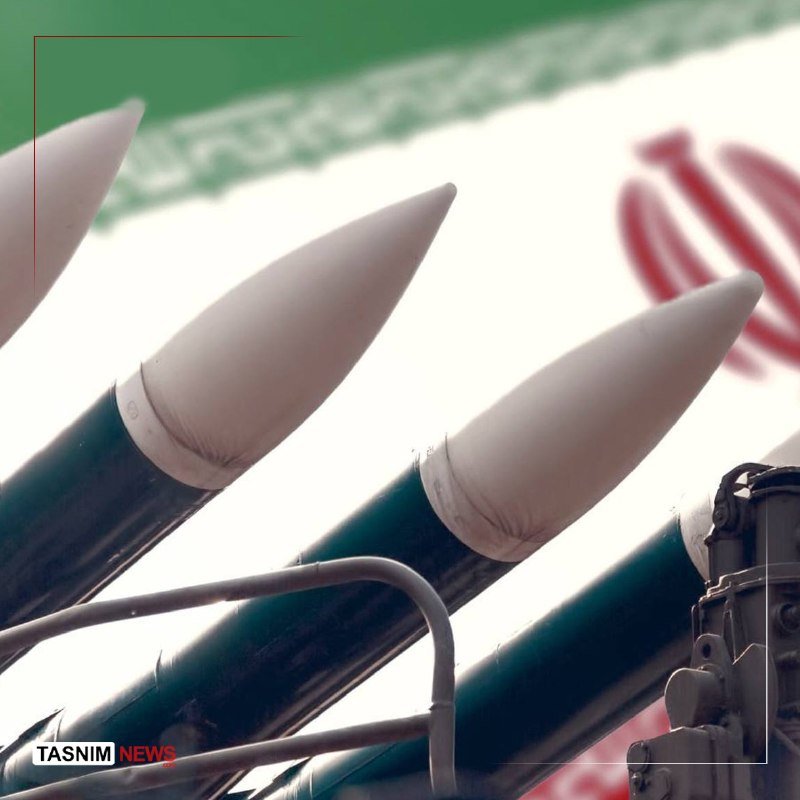
On 11 June 2026, the official account of the US president announced that the United States and Iran had reached a ceasefire agreement after twelve days of war. By the close of the wire cycle the same evening, two of the three principals named in the deal were denying it ever existed in the form described. Israeli officials called it a bad agreement. Iranian officials said no memorandum of understanding would be signed the next day, and that two outstanding issues remained. The credibility of an agreement belongs to its signatories, not to the convener. On that measure, what was billed as peace is, at minimum, still a draft.
The American framing of the deal was specific. Trump publicly stated that no money would be provided to Iran, beyond at most a portion of the already frozen Iranian funds, according to a post by Sprinterpress on X summarising the announcement. The same post characterised the package as a ceasefire agreement. It was the kind of clean, headline-ready architecture that defines presidential diplomacy: a number, a phrase, a victory lap.
The Israeli framing was anything but clean. A high-ranking Israeli official told Ynet, as relayed by Sprinterpress, that "this is a bad agreement. No one is happy with it. They understand that it's not good." Israeli Channel 12, as cited by the same outlet, went further: "High-ranking Israeli officials say that the Iranians would not have agreed to this agreement without a reason. The American side accepted their main conditions." The implication is uncomfortable. If Tehran did not fold, what did Washington concede? The Israeli reading is that the Americans moved first and that the Iranians moved only after their central demand was met.
That demand, according to an advisor to Iran's Supreme Leader named Rezaei and quoted by Sprinterpress, was the unfreezing of approximately 24 billion dollars in Iranian assets. Trump, the same account notes, agreed to release the funds but refused to publicly announce the concession. A publicly denied price tag is still a price tag, and the gap between what one principal says was agreed and what another principal says was paid is where such deals usually come apart.
Tehran's denial was equally pointed. Iranian officials told DropSite News, as reported by GeoPolitical Watch on Telegram, that two outstanding issues remained on the proposed memorandum of understanding, and that depending on the US position on those points, an agreement could be signed swiftly or fall apart. An Iranian statement carried by Sprinterpress was more blunt: "We will have to wait and see exactly when the memorandum of understanding will be signed, but it certainly will not be tomorrow." A ceasefire that the putative counterparty insists has not been signed is not a ceasefire. It is an aspiration.
On the ground, the war has not paused to consult the press release. Middle East Spectator and Palestine Chronicle reported on Telegram that Hezbollah released footage of an Israeli Heron-1 medium-altitude long-endurance drone being downed at an altitude of seven kilometres by an advanced Iranian 358 surface-to-air missile, described as a first. A downed reconnaissance drone is not a strategic event, but it is a signal: the air defence network that Tehran has spent a decade threading through its proxies is still active, still being tested, and still producing footage that complicates any claim of Iranian isolation.
The script and the signatories
Presidential diplomacy has a recognisable rhythm. A phone call produces a framework. A framework becomes a fact through repetition. The fact is then retrofitted onto the parties. The Israeli and Iranian reactions on 11 June broke that rhythm in real time. A deal that both of its addressees reject in public is not a draft in the usual sense. It is a statement of American intent dressed in the grammar of a signed agreement.
What Doha is reportedly offering
Fars News, the Iranian state outlet, cited a Washington Post account that at the beginning of the war Qatar had offered to mediate an arrangement under which Iran would halt its missile and drone operations in exchange for relief on its energy exports. The same channel's framing of that offer is adversarial toward Tehran, which limits how much weight the description can carry on its own. But the existence of a parallel Qatari track matters. If a Gulf state is independently brokering terms that pre-date the current ceasefire script, then the American deal is not the only game in town. It may not even be the main one.
The frozen money question
The 24-billion-dollar figure is the kind of number that survives a news cycle even when the agreement around it does not. If Rezaei's account is correct, the United States has conceded the release of Iranian assets while publicly denying that any money was provided. That contradiction has a precedent: the 2015 Joint Plan of Action released smaller tranches under humanitarian framing while leaving the larger architecture formally untouched. The pattern is not new. What is new is the public denial from the Iranian side that the agreement exists at all.
What to watch next
Two outstanding issues, two parties in public disagreement, and a parallel Qatari mediation. The next 72 hours will test whether the memorandum of understanding is signed, amended, or quietly abandoned in favour of the Doha track. The drones, in the meantime, will keep flying.
Sources
- [2026-06-13T21:19] X / Sprinterpress, Israeli officials on the US-Iran agreement: https://x.com/sprinterpress/status/1
- [2026-06-13T23:53] X / Sprinterpress, Trump agreed to unfreeze 24 billion dollars: https://x.com/sprinterpress/status/1
- [2026-06-13T23:47] X / Sprinterpress, Iran denied Trump's agreement claims: https://x.com/sprinterpress/status/1
- [2026-06-13T22:43] Telegram / GeoPolitical Watch, Iranian official to DropSite News on outstanding issues: https://t.me/GeoPWatch
- [2026-06-13T22:11] Telegram / Fars News, Washington Post account of Qatar's offer to Iran: https://t.me/farsna
- [2026-06-13T23:33] Telegram / Middle East Spectator, Hezbollah downs Israeli Heron-1 drone with Iranian 358 missile: https://t.me/Middle_East_Spectator
- [2026-06-13T21:19] X / Unusual Whales, Israeli Channel 12 reporting on Iranian conditions: https://x.com/unusual_whales/status/2
Desk note: The wire cycle on 11 June 2026 reported Trump's announcement uncritically and buried the Israeli and Iranian denials; Monexus led with the denials because the credibility of an agreement belongs to the signatories, not to the convener.
Follow the event.
These dated source records provide context. They do not retrospectively verify this archive article.
Separate what the nuclear watchdog reported from what it could not determine after the June 2025 strikes.