Steve Clarke, Haiti, and the long road back to a men's World Cup
Scotland's first men's World Cup since 1998 opens against Haiti on 12 June 2026. Steve Clarke's side arrive as favourites — and as a side still working out who they want to be.
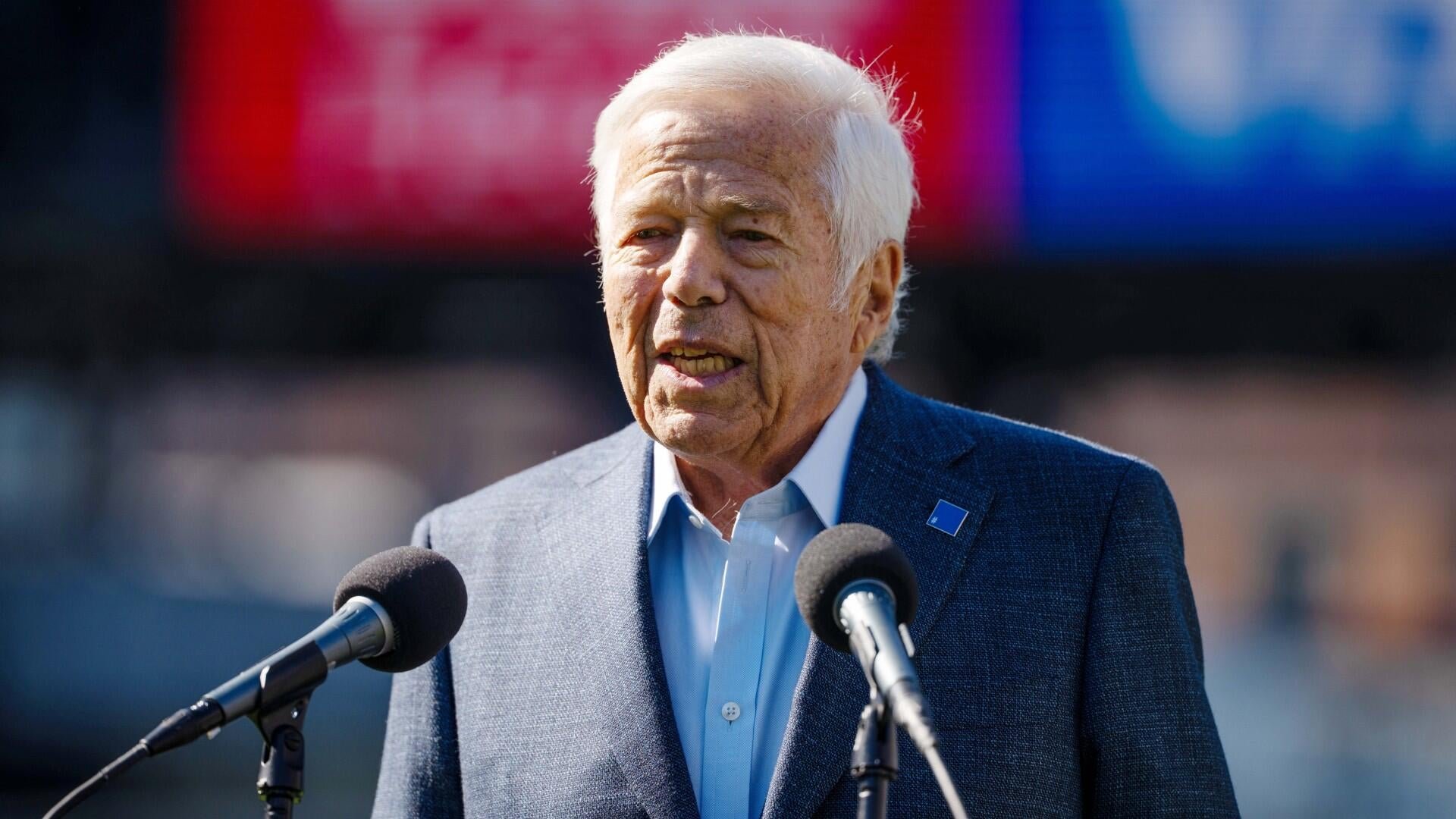
Steve Clarke walks his Scotland side into a men's World Cup match for the first time in nearly three decades on 12 June 2026, opening the tournament against Haiti in a fixture that carries more weight for one side than the other. The two programmes arrive from opposite ends of football's gravitational map: Scotland as a returning UEFA power, Haiti as a CONCACAF outsider punching above its weight. The day's subplots — Clarke's tactical choices, Haiti's resistance, the question of what a "must win" actually means in a six-game group — are now the only things that matter.
The match, and the broader return of Scotland to a men's World Cup for the first time since France 98, frames Clarke as a manager who has quietly rewritten the ceiling of a national team that had spent a generation watching tournaments on television. Whether the opener in 2026 becomes the foundation for a run or the high-water mark will be set in the next fortnight.
The shape of Clarke's Scotland
Scotland qualified for the 2026 World Cup under Clarke, ending a run of tournaments from which the men's senior side had been conspicuously absent. The story told by those around him — former players, coaches, agents, journalists who have tracked his career — is one of a methodical, demanding manager who took a squad light on elite-level starters and built a structure that hid the gaps. The BBC Sport feature published on 12 June 2026 at 16:09 UTC, drawing on interviews with those who know Clarke best, describes a coach whose work has been less about individual genius than about collective organisation and a refusal to be outrun.
That profile matters for the Haiti game specifically. Clarke's Scotland is not built to overpower opponents in open play. It is built to compress space, win second balls, and punish mistakes. Against a Haitian side that will sit deep and look to spring on the counter, that template is at once an obvious fit and a trap: if Haiti cede possession without conceding clear chances, the match becomes a question of patience and execution that Scotland's squad has not yet had to answer at a World Cup.
The opener as referendum
Sky Sports' preview of the same fixture, published at 09:40 UTC on 12 June 2026, frames the match as a "must win" for Clarke's side. The framing is conventional World Cup grammar — lose the opener, chase the tournament — but it is also slightly misleading. Group structures at expanded World Cups reward depth as well as peaks. A draw in game one is rarely fatal; a loss in game one is rarely recoverable. The "must win" label, in other words, is a media convenience, not a mathematical necessity.
That said, the opener still functions as a referendum. Scotland's first men's World Cup match in 28 years will be read as a verdict on Clarke's eight-year project regardless of the result: a narrow win over a stubborn Caribbean side will be cast as evidence of a side that has learned to grind, a comfortable win as evidence of a side ready to compete, and anything less as evidence that the qualifying form was the ceiling. The Haiti match will not, in the end, be about Haiti. It will be about whether Scotland can play the kind of football the occasion demands.
Haiti, not the story but the obstacle
Haiti's qualification is itself a story that the dominant preview cycle has largely treated as backdrop. The Caribbean side, drawn from a domestic league of modest resources and a diaspora scattered across French football, MLS, and the Belgian and Swiss second tiers, arrives at the tournament as a heavy underdog in the betting markets and as a curiosity in the preview pages. The BBC's interactive feature on the same day, asking readers to put themselves in Clarke's shoes against Haiti, is a useful piece of fan engagement but also a reminder of the framing imbalance: the focus is on what Scotland will do, not on what Haiti might.
The structural reality is that Haiti have a clear defensive shape and a small number of players — most operating in the French system — capable of producing a moment on the break. If Scotland over-commit, the counter is real. If Scotland sit back and let Haiti settle, the game becomes ugly in a way the occasion does not deserve. Clarke's tactical choices, in other words, will be made under a different kind of pressure than the preview pages suggest: not the pressure of needing to win, but the pressure of needing to win in a way that confirms Scotland belongs.
What the next fortnight actually decides
The next two weeks of group play will tell us less about Scotland's ceiling than about its floor. A side that wins one of three and exits the group will be remembered as a side that qualified and promptly remembered its limits. A side that wins two and exits in the round of 32 will be remembered as a side that arrived. A side that reaches the quarter-finals will be remembered as a side that changed the country's footballing self-image.
Haiti, in that frame, is the gatekeeper. They are the opponent against whom Scotland can prove they have cleared the lowest bar. The dominant preview framing — that this is a "must win" for Clarke, that the focus is on what Scotland do — is correct, but incomplete. The match will also tell us something about a Haitian side that has spent the last four years building towards this tournament on a fraction of the resources of their European opponents. The preview pages have decided that is not the story. The 90 minutes may disagree.
Monexus framed this fixture around Clarke's project and the structural question of what a returning side owes its own occasion — a tighter frame than the wire previews, which treated the match primarily as a tactical exercise for the favourite.