Eastern Mediterranean energy bloc takes shape in Houston, with Cyprus, Greece, Israel and the US at the table
A four-party "Energy Center of the Eastern Mediterranean" launched in Houston on 12 June 2026, with a cooperation roadmap due before year-end. The room and the absence of Turkey frame the rest of the conversation.
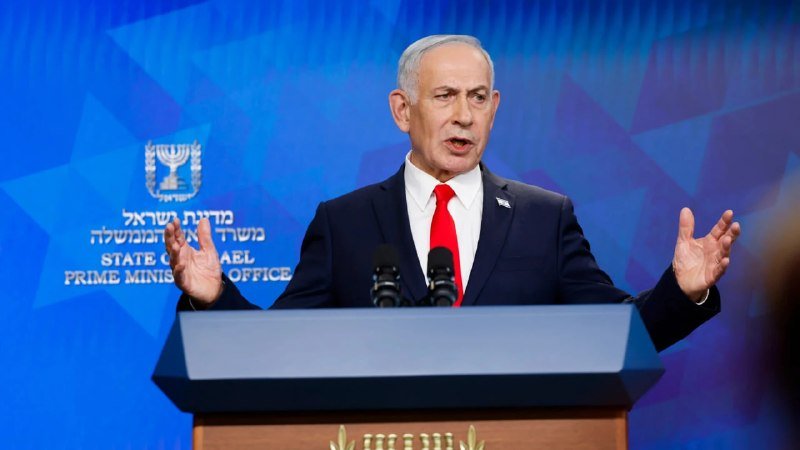
The Republic of Cyprus, Greece, Israel and the United States formally inaugurated the so-called "Energy Center of the Eastern Mediterranean" in Houston on Friday, 12 June 2026, and committed to drafting a joint cooperation roadmap by the end of the year, according to Telegram channels aligned with the participating governments and the region's energy beat [2026-06-12T13:31, abualiexpress; 2026-06-12T13:17, ClashReport; 2026-06-12T13:07, thecradlemedia]. The launch is being framed by the participants not as a one-off ceremony but as the institutional seed of a working arrangement — a venue for aligning pipeline politics, liquefied natural gas (LNG) export schedules, electricity interconnection and the regulatory standards that increasingly determine which companies get to ship molecules out of the Levantine Basin.
The underlying bet is straightforward. The Eastern Mediterranean holds some of the most actively developed gas reserves outside the Gulf — the Aphrodite field off Cyprus, Israel's Leviathan and Tamar, Egypt's offshore blocks — and the commercial question of the next decade is no longer whether the gas is there, but how it is monetised: piped to Egypt's idle LNG trains, wired to Greece via the proposed EuroAfrica and EuroAsia interconnectors, or carried as LNG to European buyers still weaning off Russian molecules. Houston is the diplomatic venue, but the relevant audience sits in Brussels, Cairo, Nicosia and the Israeli energy ministry in Jerusalem.
What was actually announced
The four governments agreed to establish a standing coordination body under the name "Energy Center of the Eastern Mediterranean" and to produce a joint roadmap — language echoed across the Telegram reporting — by the close of 2026. The body is to operate out of Houston, a city chosen for its concentration of upstream, midstream and LNG engineering talent, and for its political neutrality relative to the disputes of the Eastern Mediterranean itself. According to the Telegram-sourced coverage, the roadmap is intended to cover cooperation on natural gas development, cross-border electricity interconnection, renewable energy, and the harmonisation of regulatory frameworks [2026-06-12T13:31, abualiexpress; 2026-06-12T13:07, thecradlemedia].
What the available reporting does not specify — and where readers should hold a measured view — is the legal form of the new centre, its funding, whether it will have a permanent secretariat, and whether it binds the four governments to specific volumes, tariffs or timelines. The roadmap, by design, is the part that comes later. Houston is the photograph; the documents are the substance.
Why Houston, and why these four
The geography of energy finance partly answers the first question. Houston is the operational headquarters of many of the firms with acreage in the Eastern Mediterranean — ExxonMobil, Chevron, Noble Energy (now part of Chevron), ENI sub-contractors, and a long tail of service companies. Hosting the launch there puts the diplomatic layer on top of the engineering layer that already runs the basin. For a Trump-era State Department that has talked up "energy dominance" as a foreign-policy instrument, the choice of venue is also a signal: the United States is not a neutral broker at this table, it is a convener with commercial skin in the game.
The second question — why these four and not five or six — is the more telling one. Turkey, the country with the longest coastline on the Eastern Mediterranean and the second-largest economy in the region, is not in the room. Ankara's bilateral tensions with Greece and Cyprus over maritime delimitation, and its separate and ongoing disputes with the internationally recognised Government of National Accord in Libya, made its inclusion diplomatically impractical regardless of the energy logic. Egypt, which actually operates the LNG export terminals that most Eastern Mediterranean gas would need to reach global markets, is the most conspicuous operational absence. The framing in the Telegram coverage — and in the geopolitical commentary around the wider region — treats Egypt's role as a downstream enabler rather than as a co-architect of the new arrangement. That choice will have consequences; Cairo has been a careful balancer between the Eastern Mediterranean Gas Forum (EMGF) of which it is a member, and the Turkish-aligned track that has produced its own candidate agreements. The Houston initiative does not displace the EMGF, but it sits beside it, with a different membership and a different political gravity.
The structural frame, in plain language
What is being constructed, in increments, is a Western-aligned energy constituency for the Eastern Mediterranean — a bloc of states with overlapping interests in gas monetisation, electricity interconnection, and the regulatory infrastructure that decides which companies can ship to which buyers. The economics of the basin have always been regional; the politics of monetisation are increasingly transatlantic. The US is the senior partner with a strategic interest in keeping the region's molecules flowing to Europe at prices that undercut Russian pipeline gas, and in keeping Chinese and Russian firms out of the upstream and midstream segments where they have been quietly building share in other energy provinces.
The corridor framing is useful here. The Eastern Mediterranean is the southern anchor of a wider east-west energy corridor that runs from Israel and Cyprus through Crete and the Greek mainland, across the planned Southern Gas Corridor variants, and into the European gas network. The Houston launch does not add a new pipeline to that map. What it adds is a coordination layer — a venue where regulatory, commercial and political decisions can be sequenced in a way that the existing bilateral and EMGF channels have struggled to deliver. Whether that sequencing actually produces more molecules reaching Europe at faster speeds is the test the roadmap will have to pass by the end of the year.
The counter-reads
There are two serious alternative readings of the announcement. The first is sceptical: the new centre is, in this view, largely a communications vehicle — a way for four governments to advertise alignment in a US election cycle and to give their national oil companies a higher-status platform for the next round of licensing rounds. The work, on this reading, will continue to be done bilaterally, in the existing joint ventures, and through the EMGF. The roadmap will be drafted, signed, and shelved.
The second reading treats the centre as a vehicle for the slow but deliberate exclusion of two actors from the regional energy settlement — Turkey, because of the maritime dispute file, and Egypt, because of Cairo's preference for a more multipolar arrangement that includes Ankara. On this view, the new body is a building block in a wider contest over the future shape of Eastern Mediterranean governance, and its decisions on standards, tariffs and project finance will accumulate into a de facto architecture that shapes who can operate in the basin and on what terms. The roadmap is the lever; the operating standards are the prize.
The dominant read, in the reporting available to Monexus, sits closer to the second. The choice to launch in Houston rather than in Nicosia, Athens or Jerusalem, the language of an "energy centre" rather than a working group, and the explicit end-of-year target for a substantive roadmap are all signals of an arrangement intended to acquire weight, not merely to register an alignment that already existed. None of that settles the question of whether the centre will produce concrete project decisions — that is the test the next six months will administer.
What we verified, and what we could not
Verified. The launch of the Energy Center of the Eastern Mediterranean in Houston on 12 June 2026; the four participating governments (Cyprus, Greece, Israel, the United States); the commitment to draft a joint cooperation roadmap by the end of 2026; the venue choice of Houston; and the broad substantive scope (natural gas, electricity interconnection, renewables, regulatory harmonisation). These are reported consistently across the Telegram sources in the thread and constitute the wire-level baseline of the announcement.
Could not verify from the available sources. The legal form of the new centre, the size and source of any funding, the text of any joint declaration issued at the launch, the names of the officials who signed on behalf of each government, the specific commercial undertakings (volumes, offtake commitments, pipeline routes) the roadmap is expected to address, the position of the Turkish and Egyptian governments in official language, and any reaction from the European Commission or from EU member-state capitals. Readers should treat the commercial and operational specifics as not yet established by the available record; the institutional launch is the part that is firm, and the working programme is the part that has to be written.
The stakes
For the United States, the centre is a low-cost instrument for keeping a strategic energy conversation anchored in a city where American firms have the deepest bench, and for projecting influence in a basin where the alternative is a more multipolar arrangement that includes Ankara and, increasingly, Gulf capital. For Israel, it is a way to institutionalise the export relationships that have turned the country from a net energy importer a decade ago into a meaningful regional exporter, and to lock in commercial corridors that the domestic political cycle cannot easily unwind. For Cyprus and Greece, the centre offers a diplomatic upgrade — a permanent seat at a table that has historically been set in Brussels, Cairo or Tel Aviv — and a way to push the EuroAsia and EuroAfrica electricity interconnectors up the priority list of European lenders. For Egypt, the calculus is more delicate. Cairo operates the LNG trains the region will need, but the new body does not formally include it, and the standards being drafted in Houston may, over time, set terms that Cairo's own operators will have to accept rather than shape. For Turkey, the announcement is the latest in a sequence of formats in which it is present by exclusion, and which compounds the cost of the maritime dispute file that has frozen its participation in the EMGF.
The end-of-year roadmap is the first concrete deliverable. If it carries specific project commitments — agreed timelines for the EuroAsia interconnector, a harmonised upstream regulatory standard, a shared position on third-party access to LNG infrastructure — the centre will have acquired operational weight. If it is a list of intentions, the photograph in Houston will turn out to have been the substance, and the working programme will continue to be written in the bilateral and EMGF channels that already exist. The next six months, on the available record, are the test.
— Monexus Staff Writer, with reporting from Telegram-sourced wires. This piece runs on the thread cluster covering the Houston launch; Monexus did not have access to the text of the joint declaration or the official position of the Turkish and Egyptian governments, and has flagged that gap in the verification ledger above.
Wire provenance
This editorial synthesis draws on the following public wire/social posts:
- https://t.me/abualiexpress
- https://t.me/ClashReport
- https://t.me/thecradlemedia
- https://t.me/TheCradleMedia