The Kharg Island theatre: how a US-Iran 'deal' gets sold to two audiences at once
A 13:39 UTC boast, a 17:37 UTC climbdown, and an 18:29 UTC rebrand — Washington's 24-hour messaging arc on Iran tells two stories, and only one of them is being delivered to a domestic audience.
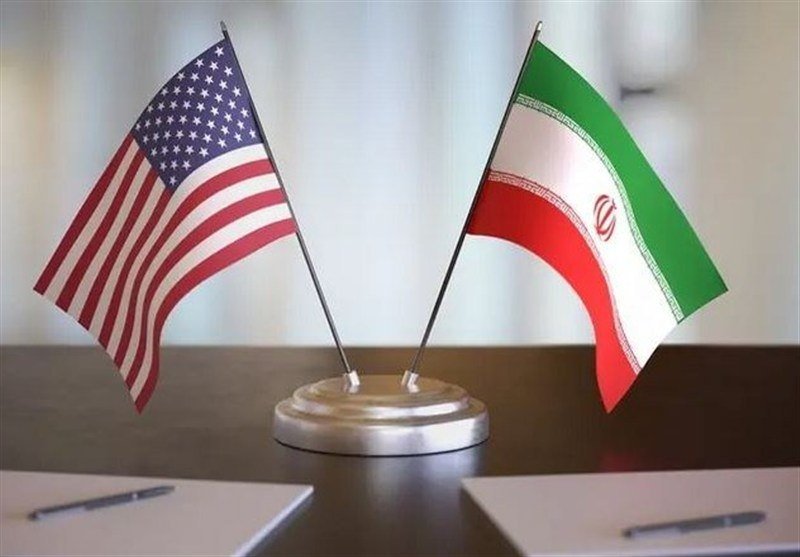
At 13:39 UTC on 11 June 2026, President Donald Trump announced that the United States would take Kharg Island from Iran. By 17:37 UTC the same day, scheduled strikes on the country were off. By 18:29 UTC, negotiations were, in the President's word, "pretty much wrapped up." Twenty-four hours earlier the Strait of Hormuz and the world's crude supply had been treated as leverage; twenty-four hours later, Iran's principal export terminal had become the price of standing down from a posture that, in retrospect, looks more like theatre than ultimatum.
The sequence deserves more scrutiny than the headlines have given it. What the timeline actually records is not a US victory or a US climbdown. It is a two-track messaging operation: one version for a domestic political audience that responds to strength, another for a regional audience that responds to outcomes. The harder question — whether a deal exists in any substantive sense, and on whose terms — is the one the press, so far, has been unwilling to ask at volume.
The 24-hour arc
The first beat was a maximalist claim, in the President's own voice, that the US would take Kharg Island — the Khuzestan Province terminal that handles the great majority of Iran's seaborne crude exports. The second beat, four hours later, was a reversal: scheduled strikes were cancelled. The third beat, an hour after that, was the rebrand. The negotiation was, suddenly, essentially complete.
The shape of that arc is familiar from previous rounds of this confrontation. A red line is drawn in public; a strike package is reportedly moved into place; the strike is then called off in exchange for a face-saving framework that delivers less than the original ultimatum demanded. What is different this time is the compression. Twenty-four hours is not a negotiation cycle. It is a press cycle. The Iranian side, via the analyst Arash Marandi on his WarMonitorMarandi channel, has been explicit about the read: that the US accepted, in Marandi's framing, a deal it had previously rejected, including reportedly an unfreezing of Iranian funds, and that the public narration of Iranian capitulation is the wrong way around — that the US, not Iran, is the party that moved.
The two audiences
The domestic frame, delivered to a US audience that prices confrontation in tweets and ticker tape, is that Iran yielded under pressure. The President said the deal was wrapped up. The implication that the scheduled strikes did the work is left to stand without correction. That frame is internally coherent and politically useful. It also happens to be the only frame that has reached a wide English-language audience in the hours since the announcement.
The regional frame, delivered to governments in the Gulf, in Ankara, in Baghdad, and to the Iranian side itself, is different. The US did not, in fact, take Kharg Island. Iran did not, in fact, concede its nuclear programme, its missile programme, or its regional posture. A framework that leaves the terminal intact and reportedly returns frozen funds is, in regional accounting, a step back from the brink for both sides. The sell to a Gulf audience that has spent two years hedging between Washington and Tehran is: the US is not in the business of regime change; the escalation machine is a negotiating tool, not a policy.
Why the press has not caught up
Western wire reporting on this round has tracked the President's own statements closely, which is what wire reporting does. The harder work — independently verifying what the framework actually contains, whether enrichment is paused or capped, what the unfreezing covers, and what verification mechanism, if any, replaces the JCPOA architecture that collapsed in 2018 — has not yet appeared in published form. The Iranian reporting that has reached English-language readers via channels associated with Marandi and the OSINT community has been framed as Iranian-aligned and treated accordingly.
The result is a coverage pattern that defers to the language of official spokespeople, in which the dominant read is that pressure worked, and in which the structural fact — that the deal on the table is reportedly close to the one Tehran offered before the pressure campaign began — is treated as a peripheral view. That is the same pattern that produced the run-up to 2018, and it is the pattern that a reader who only sees the wires cannot easily see past.
Stakes and what to watch
If the framework holds, the immediate winners are clear: the Gulf states, which have spent the last fortnight quietly re-pricing insurance for Kharg-area shipping; Turkey and Iraq, which absorb the first-order spillover of any Strait disruption; and a global oil market that will read the headlines as a de-escalation signal. Iran's reporting on its own return to the table is more constrained than the public celebration would suggest, and the political cost inside the Islamic Republic of any deal framed as surrender is real.
The structural read is that this round ends where the last one ended: with a face-saving document, no inspectors, and an enrichment programme that continues at some undisclosed level. The harder questions — what is being verified, by whom, on what timeline, and what happens when verification fails — are the questions that determine whether the 13:39 UTC announcement is a one-day story or the opening move of the next one. As of this writing, the sources do not specify the substantive content of the framework, and any read of who won is, by construction, provisional.
Desk note: Monexus is tracking the Kharg Island claims and the reported framework against primary-source documents as they surface; the wires have so far carried the President's own framing, and this publication has read the Iranian-aligned channel coverage as counter-claim material rather than as a stand-alone basis for facts on the ground.
Wire provenance
This editorial synthesis draws on the following public wire/social posts:
- https://t.me/osintlive
- https://x.com/unusual_whales/status/
- https://x.com/unusual_whales/status/
- https://x.com/unusual_whales/status/
Follow the event.
These dated source records provide context. They do not retrospectively verify this archive article.
Separate what the nuclear watchdog reported from what it could not determine after the June 2025 strikes.