Mexico's World Cup opener shadows a country already in the streets
A magical Mexican strike and a VAR review that left fans arguing tell only half the story. The other half was playing out in the streets of the capital on the same night.
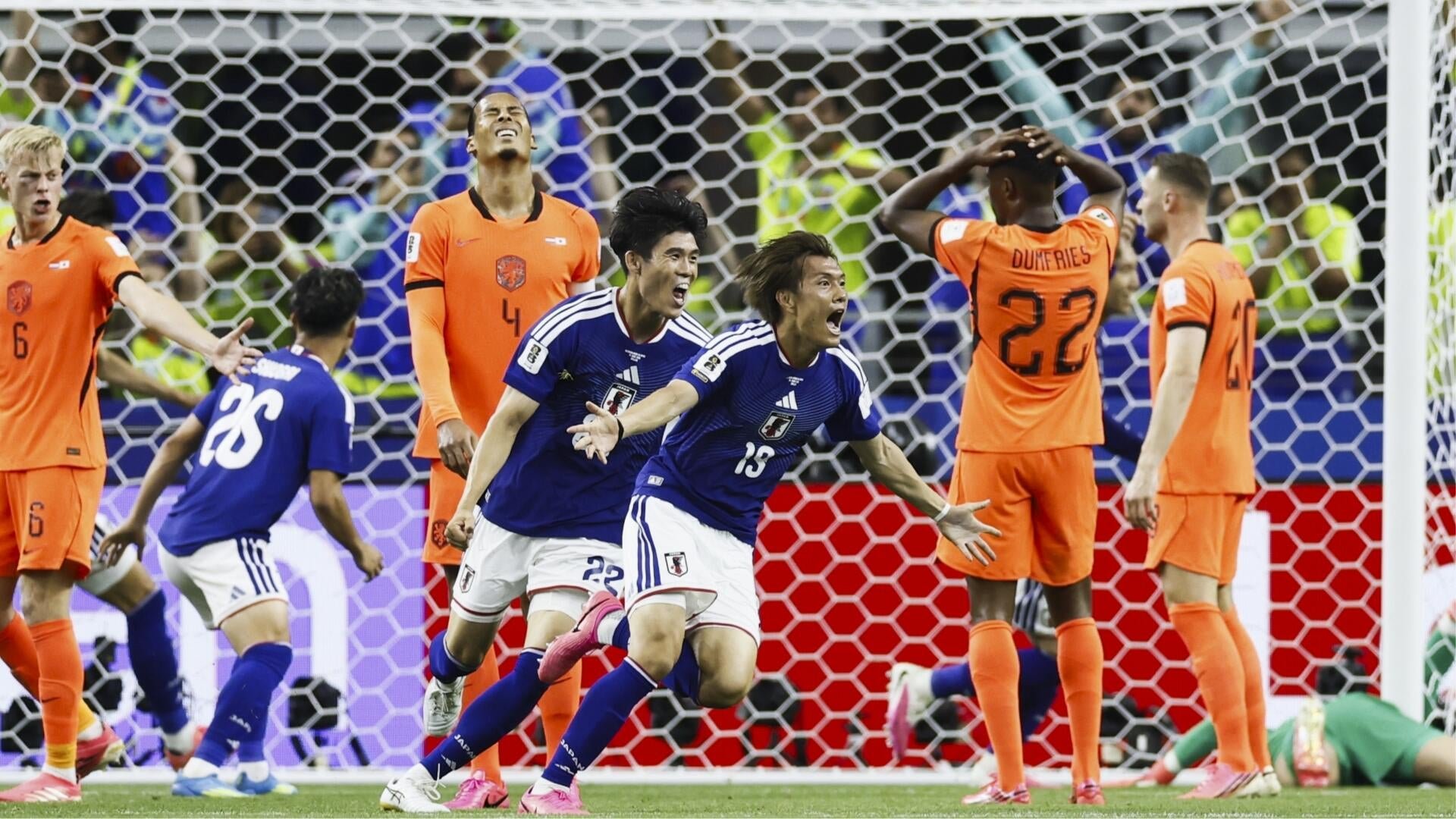
Mexico's 2026 FIFA World Cup campaign began on 11 June with the kind of moment the tournament sells itself on: a long-range strike that immediately entered the highlight reel, followed by a Video Assistant Referee review that became its own story. The Indian Express described the goal as a "magical strike by Mexico's most-loved striker," and a separate Indian Express explainer walked readers through the VAR sequence that followed, the kind of technical interlude that has reshaped how the sport is officiated since its 2018 World Cup debut.
The contrast with the rest of the country was sharp. According to a Reuters report timed to 01:00 UTC on 12 June, multiple protests involving collectives of families of the disappeared, dissident teachers, peasant organisations and transport workers broke out across Mexico City on the day of the opening match. The pitch and the street were running in parallel, and a serious reading of the night has to hold both.
A tournament Mexico is hosting, not just playing in
The 2026 edition is the first World Cup staged across three countries — the United States, Canada and Mexico — with Mexico hosting matches for the third time after 1970 and 1986. The scale of the event has been a point of national pride for the football federation and for President Claudia Sheinbaum's government, which has framed the tournament as a showcase of infrastructure investment and soft power.
The festive script, however, has competed all year with another script: the unresolved crisis of disappeared persons, an issue that has defined Mexican politics since the war on drugs of the previous decade. The collectives marching on 11 June were not new actors. They have used every major international spotlight — from the 2014 Iguala case to the annual march of 26 September — to keep missing-persons cases in public view. A World Cup opener is exactly the kind of stage they typically use.
The goal and the review
On the field, the storyline wrote itself. The Indian Express's match report highlighted a long-range effort by the player Mexican fans have spent the cycle calling their talisman, and the VAR explainer laid out the geometry of the offside line, the goalkeeper's position and the contact that the on-field officials were asked to reconsider. Reviews of this length — the kind that stretch into a minute of stadium silence — have become one of the most contested features of the modern game. Purists argue the delay breaks rhythm; technocrats argue the marginal calls are precisely the ones referees cannot see in real time.
What the explainer made clear is that the on-field decision stood, and Mexico's opener will be remembered for the strike rather than the controversy. For a fan base that has not seen its national team reach a World Cup quarter-final since 1986, the result was the headline.
A country already in motion
Outside the stadium, the Reuters dispatch from Mexico City described a different kind of motion. Families of the disappeared — a movement that groups like the Fuerzas Unidas por Nuestros Desaparecidos have built over more than a decade — were joined by dissident teachers from the CNTE, peasant organisations from rural Veracruz and Guerrero, and transport unions pressing sectoral demands. The marches converged on central arteries of the capital, a tactic the organisers have used repeatedly to make a domestic human-rights crisis visible to international visitors.
The juxtaposition is not accidental. International sporting events compress global media attention into a city for weeks, and Mexican civil society has a well-documented habit of using that window. The 1968 Tlatelolco massacre, the 1985 earthquake response, the 2014 Ayotzinapa case — each broke into the global conversation because local actors forced it there. A World Cup that the Mexican government wants to read as a coming-out party is, for other Mexicans, a stage on which the country has to be heard in full.
Stakes and what to watch
The tournament runs through 19 July across 16 host cities in the three host nations. Mexico's group-stage fixtures will test a squad that has not advanced past the round of 16 in the last eight editions. On the political side, the protests of 11 June are unlikely to be the last; the calendar of Mexican civil society is dense, and the next round of mobilisations tends to follow the media windows that the tournament keeps opening.
The honest reading of 11 June is that both stories are real. A country can produce a goal that its diaspora will replay for a generation and, on the same evening, produce a march that demands the world look at a different ledger. The World Cup will resolve on the field. The other contest, on disappeared persons, on rural organising, on labour rights, will run on a longer clock — and is not, on the evidence of 11 June, on its way to a quiet conclusion.
Desk note: Monexus framed the night around both the goal and the protests, citing The Indian Express for the match detail and Reuters for the street action. Wire coverage of the opener is likely to lead with the strike; this publication held the two frames in parallel.