The SpaceX float and the strange arithmetic of paper billionaires
SpaceX's $1.8tn valuation lands on the same week a public sale is set to mint thousands of new paper millionaires — and one trillionaire. A look at what an IPO is actually selling.
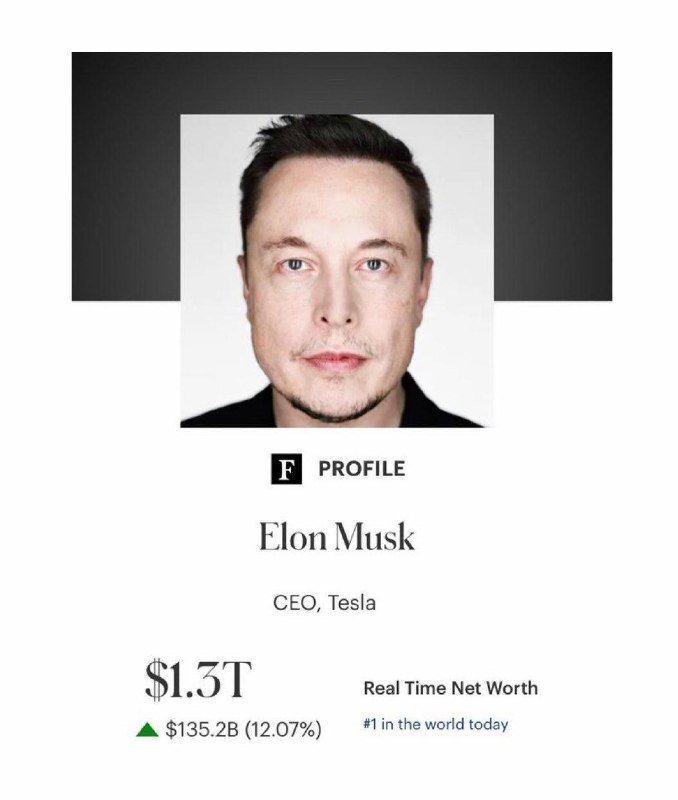
Twelve words did more than any prospectus to frame the week: "SpaceX IPO will make Elon Musk the first trillionaire." That, per a Bloomberg dispatch circulated on 12 June 2026 at 10:57 UTC, is the headline arithmetic the public is being asked to swallow alongside the company's imminent share sale. The number behind it is the more interesting object. SpaceX has been marked at close to $1.8 trillion in pre-debut trading, the BBC reported on 11 June at 19:55 UTC, a figure that places the rocket maker in the same valuation neighbourhood as the entire market capitalisation of Saudi Aramco at its 2019 peak. The company has not yet sold a single share to a member of the public. The number is, in the most literal sense, a quotation.
The retail squeeze is the more revealing tell. According to a person familiar with the matter, reported on 11 June at 19:30 UTC, SpaceX has cut the proportion of the offering directed at individual investors to the low twenties of a percent. Translation: nine out of every ten shares will go to institutions and anchor funds, with the rest of us invited to compete for whatever dribbles past the velvet rope. The deal is being marketed as a wealth-creation event. Its actual architecture is a wealth-concentration event.
The millionaires are the marketing
The Bloomberg line that travelled farthest on 12 June at 12:37 UTC was the warm one: the IPO is "expected to mint thousands of new millionaires, including cafeteria workers." It is a lovely detail, and it is doing a specific job. The cafeteria worker is the retail-investor analogue — the small-bag holder, the 401(k) participant, the public who is told that the equity market is a ladder. The claim is technically true: an allocation of shares to any employee, however modest, becomes worth seven figures if the post-IPO price holds and the company has set its strike at the right level. The question the marketing doesn't answer is whether the cafeteria worker is being given those shares as a gift, or as a retention bonus paid in a currency the company itself prints, or as a small slice of an offering the bulk of which is being routed past them.
This is the part of an IPO that the press release never quite reaches. The same float that is "for everyone" is structurally tilted toward the funds that got in at the last private round, toward the anchor investors who set the opening price, and toward the executives whose restricted stock vests on lock-up expiry. The retail buyer, when permitted, is a price-taker — buying at or near the first print and selling into the same volatility that always follows a marquee debut. The "thousands of millionaires" framing treats the outcome as a lottery. The structure says it is more like a concession stand.
What $1.8 trillion is actually pricing
There is no revenue base in the public equity universe that comfortably supports a $1.8 trillion market capitalisation for a space-launch and satellite-broadband company. The argument for the number is forward-looking: reusability has compressed launch costs; Starlink has reached a recurring-revenue scale that legacy operators cannot match; defence and civil-space budgets are pivoting toward commercial procurement. Taken together, the bulls argue, the present value of the future cash flows can bear the price. Sceptics counter that the same logic, applied to a long list of late-cycle IPOs in 1999 and again in 2021, produced a generation of stocks that took a decade to recover their debut prices. The valuation is not a fact in the way revenue is a fact. It is a consensus.
A further wrinkle: the same regulatory framework that lets SpaceX price itself at the top of the available range is the framework that will let the share price drift, on the morning of the first trading day, to wherever supply and demand settle. The headline valuation is the ask. The clearing price is the answer. The public learns the second one only after the cheque clears.
The counter-narrative the wires are skipping
There is a cleaner read of the week. SpaceX is not really going public; the company is repricing a private market that had grown tired of waiting. The secondary share sales of the past two years set a reference range. A formal IPO at a higher number is, in effect, a mark-to-market on the last private round, with a stamp of legitimacy attached. The new public investors are not being invited in early. They are being invited to confirm a price that the insiders and their late-stage funds already believe is theirs.
This is the part of the story that the warm Bloomberg line about cafeteria workers is, charitably, distracting from. The billionaires being minted are concentrated at the top. The millionaires are diffuse across a workforce that includes engineers and machinists, not just baristas of the launch-pad canteen. And the small retail buyer is being sold a stake in a valuation that the same company's existing shareholders had every incentive to set as high as the market would bear. The wealth being created is real. The direction it is flowing in is not ambiguous.
The stakes, plainly stated
If the clearing price holds in the weeks after debut, the IPO validates the architecture: a tiny retail slice, a huge institutional anchor block, and a post-trade narrative that turns the concession-stand buyer into a marketing asset. If it doesn't, the same architecture looks like a transfer — from public to private hands — dressed up as access. Either way, the lesson is the same. An IPO is a sale, and the question worth asking on 12 June 2026 is not whether SpaceX is worth $1.8 trillion. It is who gets to set that number, and who gets to walk out the door with it.
This publication notes: the wire coverage on 11–12 June ran on two tracks — the institutional story (price, allocation, anchor demand) and the human-interest story (cafeteria workers, first trillionaire). Monexus treats the two as one story. The architecture of the sale explains why the marketing is necessary.