Trump's repost of Araghchi is not diplomacy. It is a stage.
Trump reposted Araghchi's 'peace deal' announcement as a win. The Geneva framework serves two separate domestic audiences whose interests are not, on the file, actually aligned.
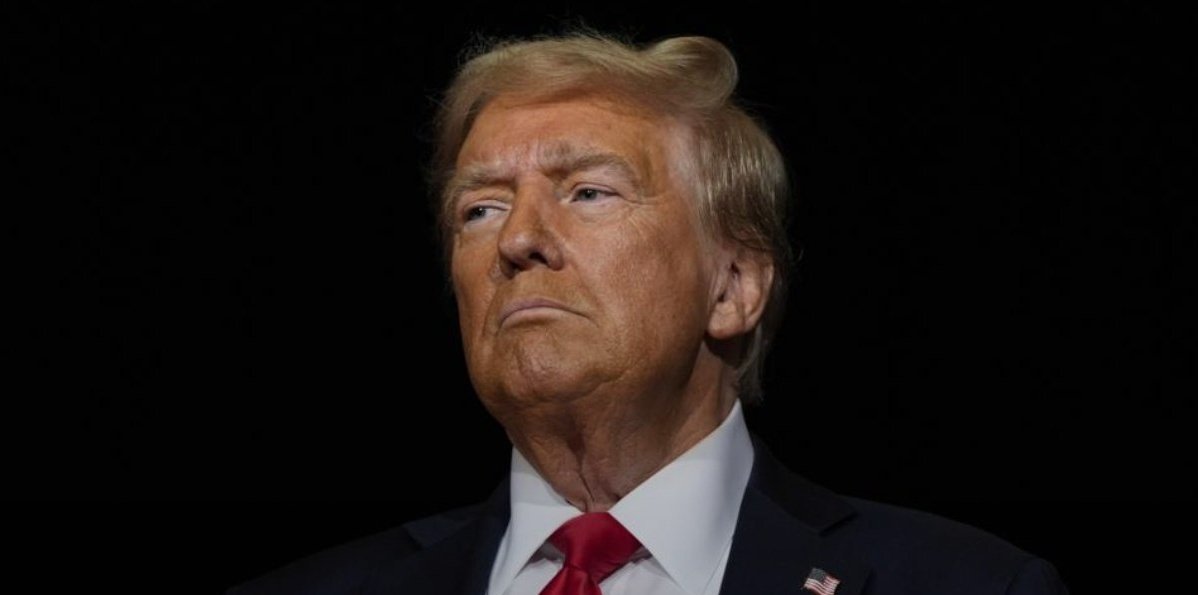
Donald Trump reposted Iranian Foreign Minister Abbas Araghchi's announcement of a US–Iran "peace deal" to his own audience, framed as breakthrough diplomacy. On the file as it stands, both men are performing for separate rooms.
The diplomatic record from Geneva is thin and contradictory. Iranian state-aligned wire services, including Mehr and Tasnim, claim Tehran "forced America to accept its demands" and that enrichment continues at low levels. Trump, in a New York Times interview published in the same window, told the paper Iran will "forever be limited to low-level enrichment that cannot be used for military purposes" and floated the threat of restarting military strikes if a final deal collapses. Araghchi, in his own announcement, framed the pact in the language of mutual non-interference; Trump's repost and the surrounding Telegram traffic reframed it as American vindication.
A press event, not a deal
What has been announced is a framework, not a treaty. Public reporting tracked through the Telegram channel traffic on 12 June describes a Geneva meeting alongside US Vice President JD Vance, with Iranian Parliament Speaker Mohammad Bagher Qalibaf travelling as lead negotiator. There is no signature ceremony on the record, no text published in full, no verification mechanism identified. The language used by both sides in the same 24-hour window is the giveaway: Iran speaks of sovereignty and survival; Trump speaks of the Strait of Hormuz kept "permanently toll free" and a pledge to resume military action on failure.
A framework is what the actors want it to be. Iran's parliamentary speaker, separately warning Israel that "the resistance will not be cornered" after Israeli strikes on Beirut, is signalling to Tehran's domestic base that no capitulation occurred. Trump is signalling to Washington that a hard line held. Both audiences need a victory. Neither readout requires the other to be factually correct.
The Netanyahu variable
The deal's most brittle element is not in Tehran. It is in Jerusalem. Reporting on the social record shows Benjamin Netanyahu directly rejecting the "Lebanon clause" of the US–Iran arrangement, telling Trump the IDF will "not withdraw from Lebanon" and that Israel does not consider itself bound by the framework's regional provisions. Trump responded in his NYT remarks that Netanyahu "is very difficult to handle and should be very grateful to us" and suggested a nuclear-armed Iran would have left Israel unable to withstand two hours of conflict. That is the president of the United States publicly managing a coalition partner who has just repudiated a piece of his own diplomacy on camera.
Two audiences, one document
Strip the theatre away and the structural problem is plain. Iran needs a document that preserves enrichment, ends sanctions pressure, and protects the regime's narrative of resistance under siege. Trump needs a document that pauses military action, opens the Strait of Hormuz to traffic without a toll, and can be sold as a foreign-policy win before domestic fuel and food prices, per a Reuters/Ipsos poll surfaced in the same channel traffic, continue eroding his rural base. These are not the same document. The Geneva framework is a stress test of how long both sides can keep claiming it is.
Stakes through the summer
The next test is whether a final deal is ever signed. Trump has reserved the right to "restart military attacks" if negotiations fail, a posture that gives Tehran leverage by making the alternative a renewed war the US domestic audience may not stomach. Iran has reserved the right to read the same text as a surrender document that never happened. Beirut continues to be struck. The Strait's reopening, according to Iranian state-aligned reporting, is timed for after Friday. Until then, the framework is a prop. Both repost clips will age quickly, and the realignment they paper over will surface the moment a single clause is tested.
The Araghchi–Trump repost is the kind of diplomatic theatre that lasts exactly as long as neither side is asked to enforce it.
Follow the event.
These dated source records provide context. They do not retrospectively verify this archive article.
Separate what the nuclear watchdog reported from what it could not determine after the June 2025 strikes.