Trump cancels Iran strike, markets rally — and the Wall Street spy-shop reshuffle reopens a quieter question
Stocks surged after President Trump scrapped planned strikes on Iran, while a separate personnel move — tapping former SEC chair Jay Clayton as spy chief — signals how the administration intends to staff the next phase of its security apparatus.
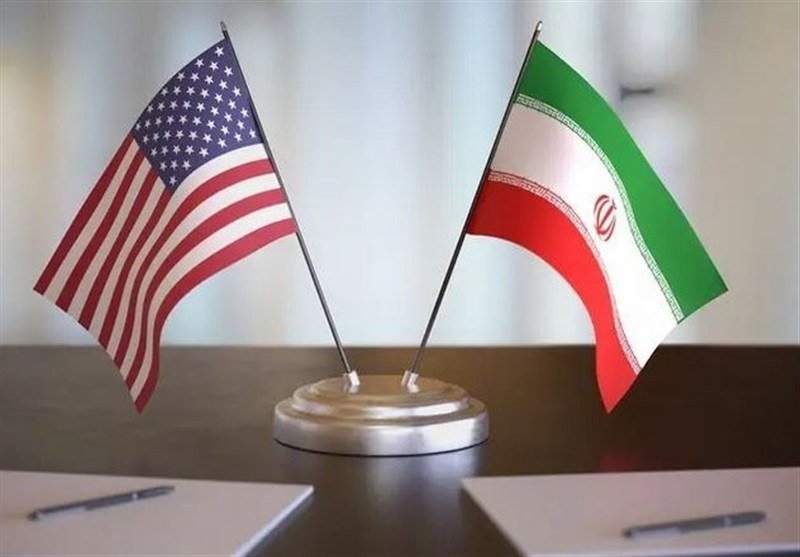
Wall Street climbed sharply on 12 June 2026 after President Donald Trump cancelled planned strikes on Iran and signalled that a diplomatic settlement might be within reach, according to Reuters and Al Jazeera. The rally — which lifted the main US indexes during the New York session and bled into Asia overnight — was the clearest market signal in months that investors are prepared to price in de-escalation when the White House telegraphs one, even briefly.
What makes the episode worth more than a single trading day's tape is the second story running underneath it: a personnel reshuffle at the top of the US intelligence community. Trump has moved to install Jay Clayton, the former Securities and Exchange Commission chair and a longtime Wall Street lawyer, as the administration's next senior intelligence figure, South China Morning Post reported late on 11 June (UTC). The two stories, taken together, sketch a doctrine in which financial statecraft and covert power are no longer run by separate talent pools.
A market that believes the signal — for now
The price action was unambiguous. Reuters reported that US equities surged after Trump publicly cancelled the Iran operation and floated a "peace deal" — a phrase that has done a great deal of work in recent weeks. Asian markets followed, with broad-based gains across the region's benchmarks as the trading day crossed midnight UTC. Al Jazeera framed the rally in starker terms, telling viewers that Wall Street and Asia were pricing in hopes for an end to the war.
The market's willingness to believe the signal is itself the story. Strike cycles against Iran have been telegraphed, paused and restarted often enough that the marginal credibility of any one announcement should be low. The fact that it was not — that equities priced in the pivot as if it were durable — suggests traders are reading the moment as a change in the administration's underlying cost calculus rather than a tactical pause. That is a meaningfully different read than the one equities had priced in during previous flare-ups.
The Clayton signal, and the Pulte backlash
The second story, easy to miss behind the market tape, is the more consequential. South China Morning Post reported that Trump is tapping Jay Clayton — the Wall Street lawyer who chaired the SEC from 2017 to 2020 — as the next senior intelligence official, a move framed in the headline as a response to a backlash against Bill Pulte, the housing-finance figure Trump had earlier installed in a related role. Pulte's tenure in intelligence oversight has been marked by friction with career staff and by an unusually public dispute with a sitting director, according to reporting carried by Hong Kong-based outlets that mirror Washington's national-security beat.
Clayton is an unusual choice for the post. His professional record is in capital-markets regulation and corporate law — at Sullivan & Cromwell, and then at the SEC, where he oversaw the agency's response to the 2017 ICO boom, the Theranos collapse and the early crypto enforcement wave. He is not a career intelligence officer, a former CIA operations chief or a retired four-star. The pitch, in effect, is that the job has been re-scoped: less Cold War tradecraft, more fusion of financial intelligence, sanctions architecture, regulatory reach and private-sector legal networks.
A quiet doctrine: financial power as intelligence power
Read together, the two moves start to describe a doctrine. The United States has for two decades used the dollar's central role, the Swift network, the Treasury sanctions list and the SEC's enforcement arm as instruments of foreign policy. The agencies that do that work — OFAC, the Justice Department's National Security Division, the SEC's enforcement unit, the New York Federal Reserve's markets group — have always been civil-facing in form and geopolitical in effect. Putting a Wall Street lawyer at the top of an intelligence role narrows the distance between those two worlds.
There is a counter-read. Critics will argue — and some have already argued in adjacent reporting — that running intelligence like a regulator inverts the agency's mission, that oversight becomes harder when the director speaks the language of private deal-doing, and that the politicisation of national-security appointments degrades the trust foreign services extend to US counterparts. The pro-administration read is the opposite: that a financialised intelligence service is the natural shape of twenty-first-century statecraft, in which the centre of gravity has moved from tank columns and forward operating bases to dollar clearing, chip export licences and sanctions designations.
What remains uncertain
The hardest question — and the one the source material does not resolve — is whether the Iran cancellation is a deal, a pause, or a tactic. Trump's public framing on 11 June leaned toward "peace deal." Iranian state media, cited at second hand by regional outlets, has been more cautious, talking about diplomatic movement without endorsing the American narrative. The previous cycle — strike telegraph, cancellation, fresh sanctions package, then a new round of escalation — is recent enough that prudent readers will want to see whether the diplomatic track produces a signed document, not a press conference.
The second uncertainty is institutional. If Clayton is confirmed or installed in the role, the early test will be whether the intelligence community's career workforce treats him as a legitimate director or as a political appointee to be managed around. The Pulte episode suggests the administration has learned that loyalists without standing in the bureaucracy can produce friction faster than output. The question for Clayton is whether his standing on Wall Street and in corporate-law circles translates, on arrival, into the kind of authority that survives the first contested call.
What is beyond dispute is that markets have already priced the more visible of the two stories. The quieter one — who runs the spy machine, and what kind of machine it is meant to be — will take longer to settle, and the price of getting it wrong will not show up on an index.
— Monexus desk note: wire coverage of the rally leaned on Reuters and Al Jazeera; the personnel story travelled primarily through South China Morning Post's late-evening bulletin. This publication treated the two as a single news event because the timing and the signalling logic are the same — an administration that wants both the financial markets and the national-security apparatus to read from the same script.
Wire provenance
This editorial synthesis draws on the following public wire/social posts:
- https://reut.rs/4aIcrKS
Follow the event.
These dated source records provide context. They do not retrospectively verify this archive article.
Separate what the nuclear watchdog reported from what it could not determine after the June 2025 strikes.