Starmer and Trump hold call on Iran as diplomatic track narrows
Downing Street confirms a 13 June phone call between Keir Starmer and Donald Trump focused on ending the conflict with Iran, with no operational details released.
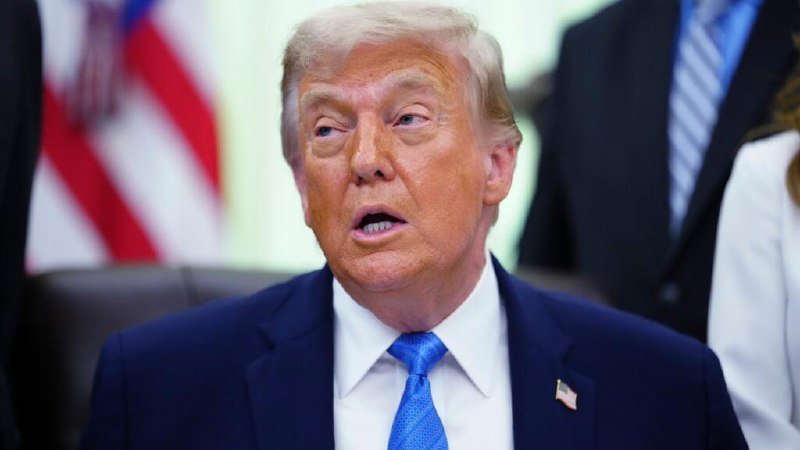
Downing Street confirmed on the evening of 13 June 2026 that Prime Minister Keir Starmer had spoken by phone with U.S. President Donald Trump, and that the two leaders had used the call to align on efforts to end the conflict with Iran. The read-out, carried by 10 Downing Street channels and relayed through Telegram wires at 20:29 UTC, framed the conversation as an expression of British support for an American-led track aimed at de-escalation. The same exchange was picked up within minutes by regional outlets including Al Alam Arabic (20:02 UTC) and the Telegram channel @ourwarstoday (20:17 UTC), each of which stressed the diplomatic, rather than military, content of the call.
The pattern is familiar: a public affirmation from London of alignment with Washington, accompanied by a studied vagueness about substance. That vagueness is the point. Both governments are now operating in a tight information corridor where any concrete concession, red line, or timeline risks collapse before negotiators can move.
What was actually said
The Downing Street statement, as relayed by the @wfwitness Telegram channel, records that Starmer expressed support for the effort and "welcomed progress" without specifying what that progress consists of. There is no mention of sanctions sequencing, of nuclear-file parameters, of Strait of Hormuz shipping protections, or of any reciprocal Iranian step. The Al Alam Arabic wire (20:02 UTC), drawing on the same British read-out, repeats the formulation almost verbatim. The @ourwarstoday relay (20:17 UTC) adds the line that the call concerned "efforts to end the Iran conflict" — language that, in diplomatic practice, signals a shared destination without committing either side to a route.
For a story of this weight, the thinness of the public record is itself the news. Read-outs of leader-to-leader calls are calibrated instruments; when a prime minister's office wants to telegraph a specific ask — a sanctions waiver, a prisoner transfer, a ceasefire timetable — the language is unmistakable. The 13 June call, by contrast, reads as a holding action.
The British position, decoded
Starmer's interest in being publicly associated with a successful Iran de-escalation is straightforward. A negotiated outcome would let London claim authorship of a diplomatic win alongside Washington, rehabilitate a UK posture that has spent much of the past eighteen months looking reactive, and reduce the political cost of any wider commitments the United States may yet request. The cost of association, however, is exposure: if the American track collapses, the British government will be asked what exactly it signed up to, and the public record on offer tonight will not provide an answer.
The alternative read is that Downing Street is being kept close for a reason. A European seat at the table, even a junior one, has practical value in any endgame that touches nuclear verification, sanctions architecture, or shipping security in the Gulf. London's diplomatic weight in Tehran is limited but non-zero; its intelligence and sanctions-enforcement footprint is not. The read-out's restraint may therefore reflect a genuine ongoing process rather than a hollow exchange.
What the framing leaves out
The dominant frame tonight — British backing for a US-led effort — suppresses three pieces of context that a fuller account would surface. The first is the Iranian position. Tehran's view of any externally designed "end" to the conflict has not been represented in the Downing Street read-out, and treating the call as progress in isolation risks reproducing the very dynamic that produced the war: Western capitals describing the path forward while the principal counter-party is consulted later. The second is the European Union, which has its own Iran file and which has, in previous episodes, been looped in only after Anglo-American drafts were already on the table. The third is the question of what "ending the conflict" actually denotes: a ceasefire, a withdrawal of strikes, a sanctions-for-concessions package, a security architecture for the Gulf, or a broader reordering of the regional order. The sources on the wire do not say.
Stakes and the week ahead
If the diplomatic track holds, the immediate winners are clear: the U.S. administration, which can argue that its maximum-pressure posture produced a deal; the British government, which gains a seat and a narrative; and Iran's regional partners, who benefit from a de-escalation that preserves their leverage. The losers, in a no-deal scenario, are the populations living under the kinetic consequences of the current trajectory — and the credibility of a Western-led diplomatic instrument that has, on the public record, been described in the most general terms possible.
The honest summary is that the 13 June call tells readers very little about where the Iran file is going, and a great deal about how its principal managers want it to be talked about in the meantime. The next seventy-two hours will determine whether the held-back substance is the start of a real negotiation, or the prelude to a more active phase of the conflict for which diplomacy is the soundtrack rather than the steering wheel.
The sources surveyed for this piece do not specify the duration of the call, the names of any intermediaries present, or any follow-up meeting. Those details, when they emerge, will determine whether tonight's read-out is a footnote or a marker.
Desk note: Monexus has framed this story as a holding action rather than a breakthrough, in line with the thin public record. Where the Western wire treatment tonight leans on the "British support" formulation, this publication reads the same read-out as evidence of a deliberate diplomatic reserve — and notes the absence of an Iranian or EU position as a structural feature of the framing.
Wire provenance
This editorial synthesis draws on the following public wire/social posts:
- https://t.me/wfwitness
- https://t.me/ourwarstoday
- https://t.me/alalamarabic