Wembanyama's Finals loss becomes the centre of a Spurs franchise pivot
Down 3-1 to New York with Game 5 in San Antonio, Victor Wembanyama is reframing the Spurs' first Finals trip in decades as a foundation rather than a finish line.
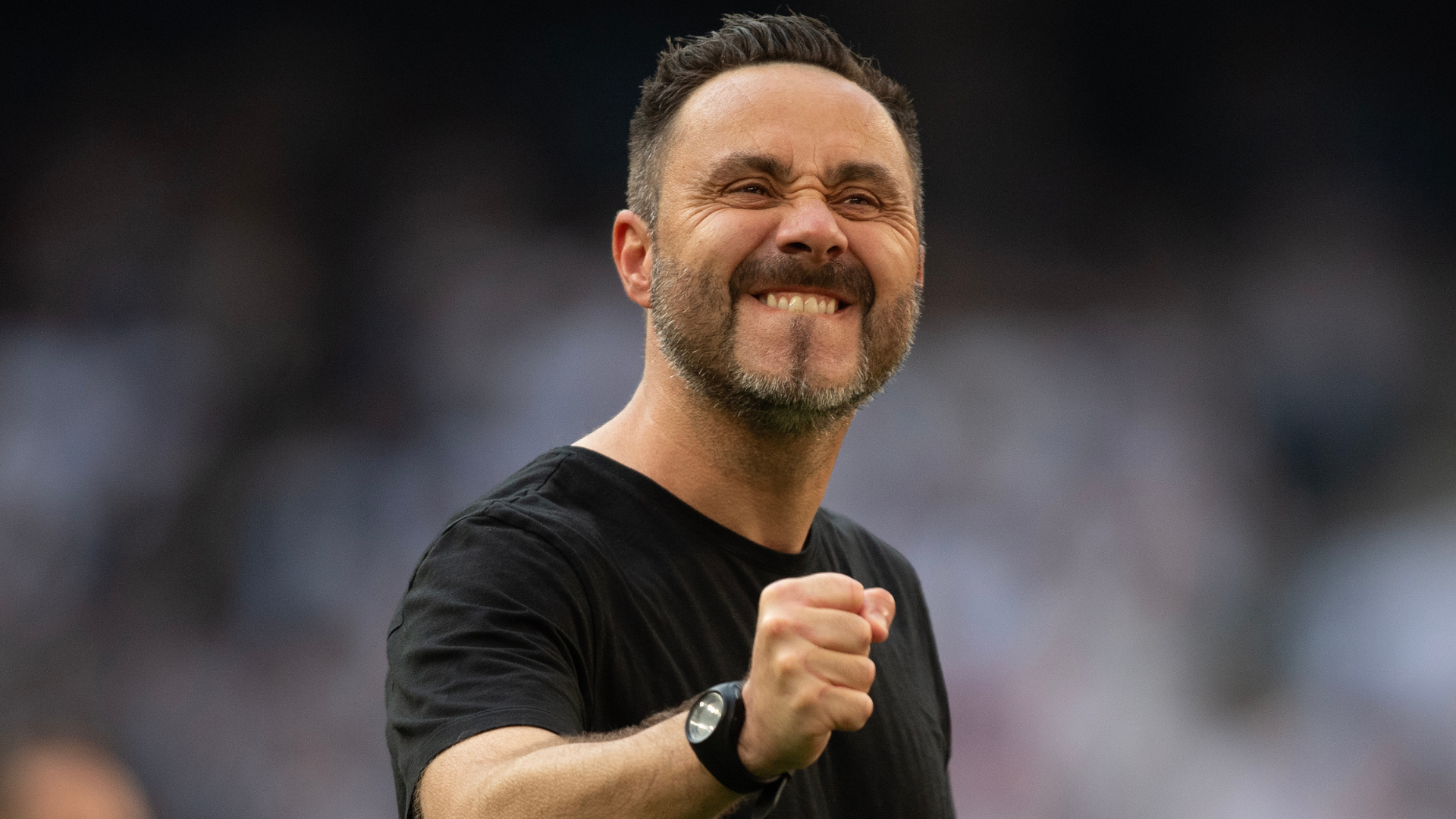
The San Antonio Spurs walked into the 2026 NBA Finals as the youngest team in the championship round in decades and, on the morning of 14 June 2026, are now one loss from being on the wrong end of it. Trailing the New York Knicks three games to one, with tip-off for Game 5 set for 00:30 UTC on 15 June (8:30pm ET, ABC) at their own arena, the Spurs have the math against them and the franchise's most important player publicly choosing to treat that math as instruction rather than verdict.
Victor Wembanyama, the 7-foot-4 French centre who has carried San Antonio's offence through the series, told reporters on 13 June that losing in the Finals would be "the biggest learning moment" of his life, and that he is "not running away" from the experience. The framing matters. In a league that has spent two decades marketing superstar duos and instant gratification, Wembanyama is publicly converting a probable defeat into the founding myth of his prime.
A series the Spurs were not supposed to reach
The Spurs arrived in the Finals as the surprise entrant from the Western Conference, having dispatched a higher-seeded opponent bracket that most projection systems had them exiting two rounds earlier. Through four Finals games, Wembanyama has averaged a team-high 27.8 points per game, according to pregame notes published by NBALive on Telegram at 23:57 UTC on 13 June. That production has not been enough: the Knicks have controlled three of the four games and enter Saturday with the series lead and the cleaner half-court offence.
San Antonio's run to this point is the larger story. The franchise's last appearance on this stage came in 2014, a lifetime ago in roster terms, and the roster that takes the floor on Saturday includes players who were not yet in the league when that championship was won. The Spurs are not a defending champion trying to repeat; they are a young team that accelerated a timeline by years, and the cost of that acceleration is now visible in a series where every late-game possession is being coached in real time.
The other side of the bracket
The Knicks, by contrast, are executing the older formula. Game 5 pregame notes from NBALive on Telegram at 22:39 UTC on 13 June described New York's arrival in San Antonio with the series lead in hand and a rotation that has not required a major adjustment through four games. A Computer model published by SportsLine on CBS Sports the same afternoon favoured three player-prop positions for the Knicks side, reflecting the same market read: the betting public is not pricing San Antonio's comeback as probable.
That gap — between the Spurs' stated posture (long-term, developmental, foundational) and the Knicks' stated posture (close it out, take the trophy home) — is the most legible tension in the series. It also explains why Wembanyama's comments read as more than cliche. He is acknowledging, in real time, that this postseason is being judged on a different metric than a win-loss column.
What the Spurs are actually building
San Antonio's roster construction over the past 36 months has been unusual: the team prioritised draft equity, developmental minutes, and cap flexibility over win-now trades. The Finals appearance is, in that sense, ahead of schedule — and the question for the front office is no longer whether the project is working, but whether to harden it now. A 4-1 series loss would, by Wembanyama's own framing, be a clean input into an offseason plan: retain the core, address half-court shot creation, add a veteran closer. A 4-3 reverse would recalibrate everything.
The structural read is straightforward. The Spurs are not trying to win one title; they are trying to build a five-year window around a 22-year-old who has already been the best player on the floor in stretches against a 50-win Knicks team. Whether that window opens in 2027 or 2028 depends on moves the front office has not yet made. Saturday is, in the simplest sense, the last free data point before that work begins.
What remains uncertain
The series score is settled; the Spurs' competitive posture in Game 5 is not. Pregame coverage from NBALive on Telegram at 22:20 UTC on 13 June noted the Knicks' arrival in San Antonio; a separate post at 22:57 UTC confirmed the Spurs' own arrival, with tip-off 8.5 hours later. Whether San Antonio opens aggressively — pushing pace, hunting switches, testing the Knicks' perimeter defenders early — or plays to extend possessions and protect half-court defence will say more about the team's internal read of its ceiling than any postgame quote.
The narrow uncertainty is health and availability; the wider uncertainty is whether a Spurs team playing with house money treats the next 48 minutes as a referendum or a rehearsal. Wembanyama has chosen the latter framing in public. Tip-off will show whether his teammates match it.
This article was framed by Monexus around the player's own characterisation of the loss, rather than the conventional 'choke' read dominant in American sports media; the structural question — what a Finals trip does to a young core's development arc — is the one with the longer shelf life.
Wire provenance
This editorial synthesis draws on the following public wire/social posts:
- https://t.me/NBALive/2220
- https://t.me/NBALive/2221
- https://t.me/NBALive/2222
- https://t.me/NBALive/2223
- https://t.me/NBALive/2224