Germany runs riot, Netherlands wobble: a first look at the 2026 World Cup field
England's 4-2 win over Croatia delivered the headline, but Portugal's draw with DR Congo and the USMNT's Pulisic uncertainty are the structural data points that will shape the bracket.
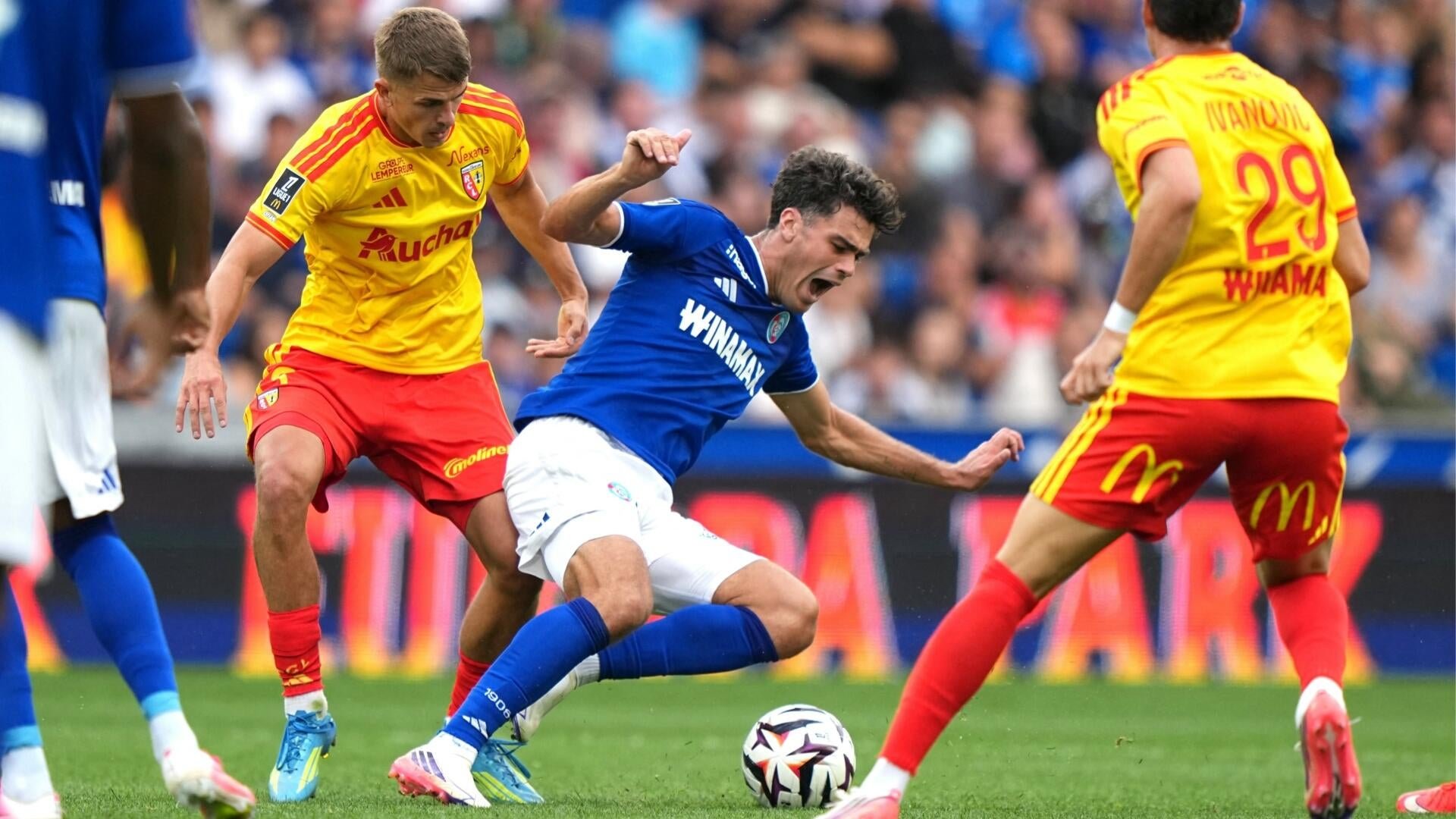
Jude Bellingham scored the kind of goal that turns a World Cup group stage into something else entirely, and England rode the shockwave to a 4-2 win over Croatia at Dallas Stadium that announced Thomas Tuchel's side as the early headline act of the 2026 tournament. Marcus Rashford came off the bench to seal it late, per the BBC's live report, but the architecture of the night belonged to a 25-year-old midfielder whose finish in the first half carried the rising sense of inevitability Barney Ronay identified in his Guardian column: a stadium rising, a console table kicked over, England three up before the interval.
Bellingham's performance, on a night when Harry Kane was "in fine form" per the Guardian's player ratings, was the kind of statement that resets the frame around an entire squad. England's previous form, mostly Wembley friendlies and a long pre-tournament build-up, had offered little evidence of this gear. Under the giant Victorian train-shed roof of Dallas Stadium, the side that lost a semi-final to Croatia three and a half years ago in Qatar suddenly looked like a side with a route map.
That result dominates the opening Wednesday, but it is not the only line worth parsing. Portugal, with Cristiano Ronaldo in the starting XI, were held 1-1 by DR Congo in what Sky Sports described bluntly as a draw built on a "disappointing" performance and a Ronaldo who "flattered to deceive." The Guardian's Football Daily, in its tournament dispatch, captured the texture of an opening 48 hours: "The GWC has barely had time to unpack its suitcase and already the goals are flying in like overenthusiastic airline baggage. Stadiums are full, scoreboards are busy." Goals are not the scarce resource at this tournament. Clean sheets are. Portugal could not get one. England's near-miss came via a Dominik Livakovic performance the Guardian's ratings praised for stopping the scoreline running away from Croatia, and a Baturina strike Jordan Pickford "could have done better" with, again per the Guardian's marks.
The draw that has done less to travel through the news cycle is the one the wire has flagged as the more revealing data point: the Netherlands, against an opponent in Tokyo in the parallel women's cricket event, were put away by India by 95 runs at Headingley. It is a different sport, played under different rules and a different tournament schedule, but the Dutch wobble against India is the structural reminder that runs underneath all this. The men's football draw with a less-fancied African opponent is the live thread that matters for the bracket, and it carries the same message: in a 48-team tournament with the schedule compressed across North America, depth, not headlines, decides who leaves the group stage.
The American backdrop carries its own complication. Christian Pulisic remains on a "modified" training schedule for the third consecutive day after coming out at half-time in the US opener, per the Guardian's World Cup live blog, and Mauricio Pochettino is now publicly working the question of who replaces him against Australia. The transfermarkt wire captured the parallel oddity of Ghana's travelling support in the hours before the Panama fixture, the kind of tournament colour that fills the gap between results and brackets. Pulisic's status is the first genuine availability test for the host nation, and Pochettino's options are now a live storyline.
What the opening 48 hours actually tests is not form but readiness for the tournament's specific texture: long flights, late kick-offs in European prime time, packed stadiums in unfamiliar venues, and a Golden Boot race that the Guardian's all-time list now confirms has Lionel Messi and Kylian Mbappé at its centre. England look ready. Portugal do not yet. The Netherlands' female cricketers have already learned that the field is wider than the bracket suggests. The question for the next 72 hours is whether the teams that flattered will reset, or whether the teams that wobbled have already given the bracket a shape.