From last-chance saloon to World Cup redemption: the Graham Potter comeback few saw coming
Dismissed by West Ham in September, written off after Chelsea, Graham Potter now finds himself steering a national team into the World Cup — a redemption arc that says as much about modern football's hiring cycle as it does about the man himself.
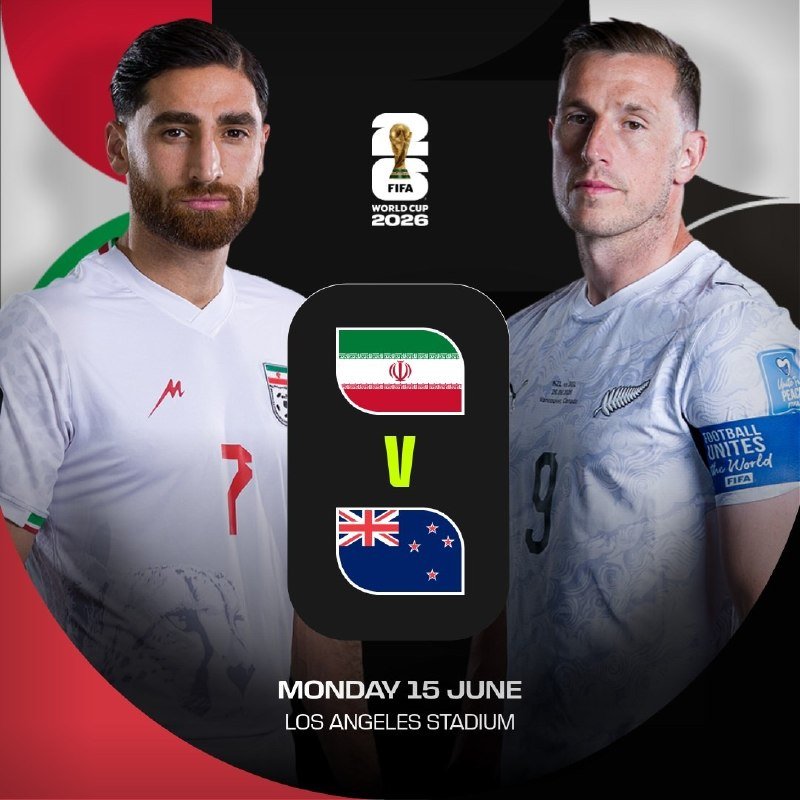
On 15 June 2026, the day the World Cup opens, few coaching résumés in the game will read quite like Graham Potter's. The 50-year-old Englishman, sacked by West Ham United in September 2025 after a difficult spell in charge at Chelsea before that, opens his tournament in a job that, by his own admission and by the verdict of the British press, was the last one left to take.
The story reads less like a managerial redemption arc and more like a parable about how the modern game recruits — and discards — its senior staff. Potter's route to a World Cup dugout is not the product of patient club-building. It is what happens when a manager who preaches a possession-based, positionally literate style meets a transfer market that does not.
How he got here
Potter's stock fell hard and fast. A reputation forged at Östersund in Sweden and polished at Brighton — where his side regularly punched above their wage bill — was dented by a 31-game spell at Stamford Bridge that ended in April 2023. The West Ham job, taken later that same year, was meant to be a reset. It did not last a season.
What the dismissal timeline conceals is the more interesting question: why was Potter, whose Brighton side finished ninth twice and is widely credited with helping develop Moisés Caicedo and Alexis Mac Allister into Premier League starters, considered unemployable at the top of the English game for almost three years? The standard answer — that he is a "coach's coach" out of step with the win-now pressure of elite dressing rooms — is convenient, but incomplete. It treats a stylistic preference as if it were a personal failing.
The national-team detour
National-team football is the only environment in the modern professional game where a coach can survive, even briefly, on method alone. Weeks are long, scouting windows are narrow, and the dressing room is rebuilt every September. For a manager whose preferred currency is repetition and incremental improvement, the international calendar offers something the Premier League rarely does: time.
That structural feature — not any particular quality of Potter's CV — explains the appointment. Reports of a winning start in the group stage, confirmed in the BBC's tournament preview on the morning of the opener, suggest early traction. Whether that survives the first knockout game is the only question that matters.
What the alternative read looks like
The contrarian case is straightforward: a coach who has now failed at two of the four biggest jobs in English football, against a backdrop of increasingly patient ownership groups at the clubs that did not hire him, should not be leading a nation into a World Cup. On that reading, the FA — or whichever federation made the call — has confused the absence of alternatives with the presence of a fit. Group-stage wins against weaker opposition will not, on this telling, tell us anything we did not already know about how Potter's sides behave against elite opposition organised by managers of comparable or greater tactical literacy.
The case in his favour is also structural. Potter's Brighton sides consistently outperformed expected-goals models; his Chelsea tenure, judged in isolation, looks worse than the underlying numbers suggest once the winter transfer window is stripped out. The Premier League's hiring cycle, in other words, may have mispriced him. National-team football, where the noise-to-signal ratio is lower, is a more honest test.
The bigger pattern
What the Potter story really exposes is the casualness with which elite European football cycles through senior coaches. The same news cycle that recorded his September dismissal is now recording his World Cup opening whistle. The lesson is not that Potter has changed; the lesson is that the institutions that fired him may have moved on faster than the evidence warranted.
The stakes are personal and structural. Personally, a knockout-round run would restore a reputation that was, on the available record, prematurely retired. Structurally, it would be a small piece of evidence that possession-based coaching is not, in fact, finished at the top of the game — that the issue at Chelsea and West Ham was fit, not philosophy. If the trajectory holds, expect at least one Premier League club to revisit a shortlist on which Potter's name already sits.
What remains uncertain is the opposition. The early group fixtures will test Potter's press-resistance against opponents who have had a full qualifying cycle to prepare for exactly his style. The BBC's preview frames a winning start as the headline; the more interesting data point is how his side looked while earning it.
Desk note: Monexus has framed this as a story about coaching labour markets and the international game's tolerance for stylistic patience, rather than a straight human-interest piece. The wire's hook is redemption; the structural hook is who gets a second chance, and why.