Lukaku's 22-second cameo rescues Belgium as Egypt's World Cup bow ends in a Seattle draw
An own goal by Mohamed Hany, set up by a substitute barely on the pitch, denied Egypt a historic first World Cup win in Seattle.
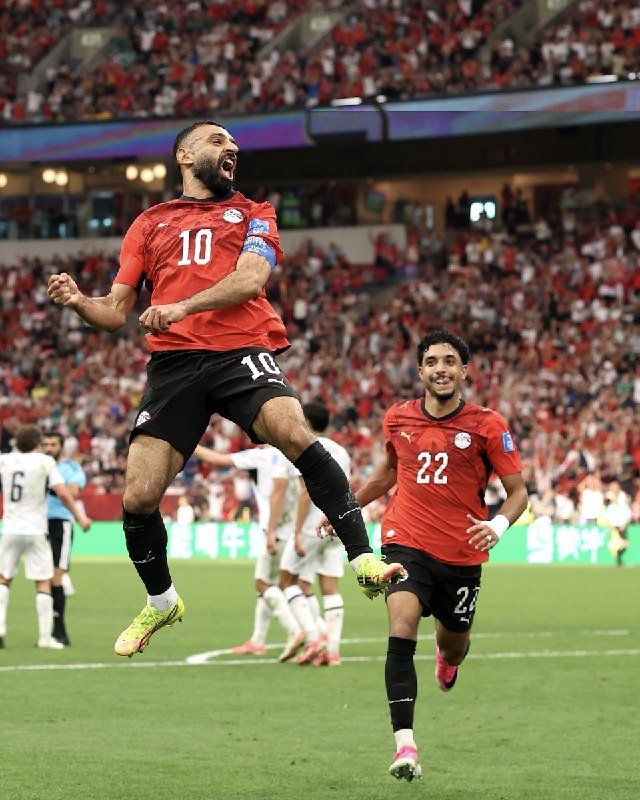
Substitute Romelu Lukaku needed 22 seconds to tilt a World Cup group-stage game in Seattle, his intervention forcing an own goal that gave Belgium a 1-1 draw with Egypt on 15 June 2026 and denied the Pharaohs what would have been their first ever victory at a men's World Cup. The match, played at Seattle Stadium, kept both sides unbeaten at the tournament's opening stage while exposing the thin margin that often separates breakthrough from near-miss for an African side at this level.
The result, in plain terms, was an Egyptian win that turned, in the space of half a minute, into a draw. For Belgium, it was a reminder that their bench, and the man most likely to come off it, remains their most reliable source of late goals. For Egypt, it was a glimpse of the team they could be against the kind of opposition they have rarely met on this stage.
A lead that looked like it would hold
Egypt went ahead through a goal that, until the final touch, had nothing to do with Belgium's number nine. The Pharaohs struck first, punishing a Belgium side that had started the brighter of the two but could not turn possession into clean chances. According to BBC Sport's report on the match, the breakthrough came from open play, with the Belgian back line failing to clear their lines in the box.
For long stretches, the pattern looked familiar. Belgium, the higher-ranked side and the one with deeper tournament pedigree, controlled the ball in wide areas; Egypt sat in, absorbed pressure, and tried to break the game open on the counter. The structure held until the hour mark, when the Belgian staff reached for their most obvious card.
The substitute and the deflection
Lukaku entered the pitch in the 76th minute, by BBC Sport's count. Twenty-two seconds later, he was the most decisive player on it. The Belgian forward received the ball in a central position, drove at the Egyptian back line and forced a hurried intervention that looped off defender Mohamed Hany and into his own net.
It is the kind of intervention that does not show up in shot charts or expected-goals models. Lukaku's role was to occupy defenders and force a decision under pressure; Hany's role, until that moment, had been to deny exactly that kind of chance. The Belgian bench's decision to introduce the striker was vindicated inside the half-minute. Egypt's defensive shape, organised for ninety minutes, was undone by the introduction of a forward they had not yet had to mark.
The goal, per BBC Sport's report, is officially recorded as a Mohamed Hany own goal. The assist column will read Lukaku. The decisive period in the match, by any honest reading, was the 22 seconds between the substitution board going up and the ball hitting the net.
What the result means for both sides
For Belgium, the draw extends an unbeaten start to the group but leaves head coach Domenico Tedesco with a familiar problem. The starting eleven has not yet produced a clean goal at this World Cup; the bench, again, has. Tournament football is rarely won on starting-XI quality alone, but it is won on a balance between the two, and Belgium's bench-to-pitch conversion rate is now the most reliable feature of their play.
For Egypt, the result is a different kind of lesson. They had Belgium, the higher-ranked side, on the rack for 75 minutes. They took the lead, defended it competently, and lost it to a substitution rather than a systemic failure. The Pharaohs' first ever point at a men's World Cup is not nothing; a first ever win, which was in their hands for the closing stages, would have been a far more significant arrival statement. The counter-argument is that this is a side capable of frustrating elite opposition and threatening them on the break, and the next two group games will tell us which of those two readings is the truer one.
The wider tournament frame
Seattle Stadium's role in this World Cup has been to deliver the kind of tight, low-scoring games that travelling neutrals tend to remember. A 1-1 draw between a European side that expected to win and an African side that came within 22 seconds of a historic win is a useful early signal that the expanded 48-team format will produce a wider distribution of competitive fixtures than the 32-team version did. Egypt are the kind of side the format was, in part, designed to give a longer run.
What remains genuinely uncertain is whether Egypt can convert control-plus-counter performances into three points against a tier of opponent they have not previously beaten at this tournament. Belgium, for their part, have an open question of their own: if the bench stops scoring, does the starting XI have a goal in them? The 22 seconds in Seattle suggest both teams will get a chance to answer that before the group is out.
Monexus framed this around the substitution window as the decisive tactical unit, rather than around either side's overall quality, on the basis that the only goal-scorer on the night was an own goal forced within half a minute of a personnel change.