Eight veterans, eight ticking clocks: the NFL's 2026 make-or-break list
CBS Sports has named eight veterans whose 2026 status is no longer protected by draft pedigree or past production. The list is less about talent than about timing.
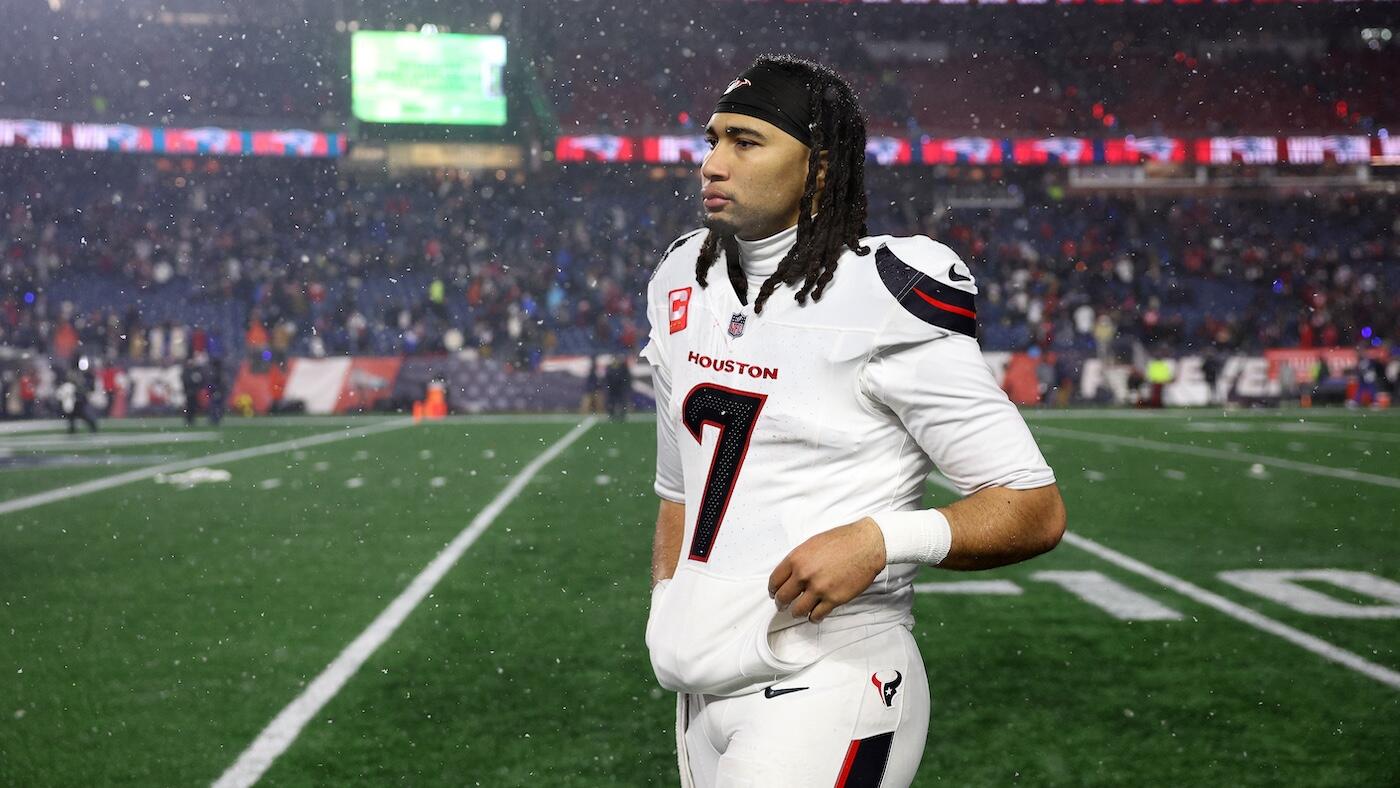
On 15 June 2026, with organised team activities winding down and the first training-camp cutdown four weeks away, CBS Sports published a list every front office has already been quietly working from. The premise is blunt: eight players drafted or paid like starters no longer have the runway to be patient projects. The list, headlined "Bust alert: Eight NFL players running out of time to prove themselves entering 2026 season," frames the question not as a referendum on talent but on timing — when does a team stop subsidising potential and start counting roster spots.
That distinction matters. NFL roster construction rewards impatience: a fourth-year player on a rookie deal who has not yet started is, in cap terms, a sunk cost. A veteran on a multi-year extension who is no longer producing is a liability that compounds. The CBS list sits squarely in the second category. The names attached to it are players who arrived in the league with a specific ceiling in print — first-round picks, second-contract starters, scheme-fitted pieces — and have not met it. The argument the article is making, beneath the clickbait framing, is that the league's draft and contract cycles have built-in expiration dates, and these are the players whose dates arrive in 2026.
What the list actually measures
CBS Sports' framing leans on a familiar vocabulary: "make or break," "bust alert," "prove it year." That language is a feature of August journalism as much as it is of any analytical framework — pre-season optimism requires a corresponding pre-season anxiety. The more useful read is to ask what the list measures and what it leaves out.
What it measures is contract status, snap-count trajectory, and the gap between draft capital and on-field role. A first-round pick entering year three who is still splitting time with a journeyman free agent is, by any team's internal accounting, behind schedule. A veteran signed to a three-year, $30m-plus extension in 2024 who is now the third option at his position is, in pure cap terms, the most expensive player on the depth chart for the least production. Both categories are present in the CBS shortlist.
What it leaves out is the structural reason any of these players are on the list in the first place. NFL roster churn has accelerated: practice-squad rules, the 17-game season, and the way teams now cycle developmental tight ends and rotational edge rushers have shortened the leash on every player outside a top-of-roster contract. The clock CBS is describing is real, but it is also a clock the league's own rules have wound tighter.
The fantasy mirror
The same morning, ESPN surfaced the companion anxiety from a different angle. Its piece, "To draft or not to draft? Eight players fantasy football owners are too cautious — or too confident — about," runs in parallel: not what teams think of these players, but what the fantasy market is pricing in. The two pieces, read together, sketch the same problem from two sides of the ball. The NFL employee has a roster spot to lose. The fantasy owner has a draft pick to defend. Both are asking, essentially, whether a player's reputation is now doing more work than his recent tape.
This is where the structural point lives. The fantasy economy is, in its own way, a referendum on the same information the front offices have. If a veteran is being overdrafted in best-ball leagues because of name recognition, that is a market signal that the public is still pricing in past production. If the same player is being undercut on underdog formats, that is the market pricing in the new reality. ESPN's framing — too cautious, too confident — is the fantasy version of CBS's bust alert, with a different audience paying the bill for getting it wrong.
What the sources do and do not establish
What the sources confirm: CBS Sports explicitly identified eight players as on a 2026 bust-alert list, with the framing of running out of time to meet initial expectations. ESPN published a parallel piece on 15 June 2026 framing eight players through a fantasy lens, with the explicit "too cautious / too confident" structure. Both pieces are pre-training-camp pieces, which means both are forecasting, not reporting. The sources do not specify which teams have already begun shopping any of the named players, nor do they cite any front-office source on the record. The evidence is the on-field production gap, not insider information.
What the sources do not say — and what this publication will not speculate about — is which of the eight actually gets cut. NFL August is a specific genre of theatre: a player is "on the bubble" until he is not, and the bubble moves daily. The honest read of the CBS and ESPN pieces is that they are reading the league's own signals back to a public that has not had time to read them, and packaging that read as a list. Whether the list ages well is a 2026 question that the sources, by their own construction, cannot yet answer.
Stakes and timing
The stakes are concrete and short. For the players named, training camp in late July is the first hard cut, and final 53-man rosters in late August. A player who enters camp on the CBS list is one injury or one strong camp from a younger, cheaper replacement. For teams, the calculus is sharper: dead-cap charges from cutting a veteran mid-deal are real, but the cap relief of opening a roster spot for a developmental rookie is also real, and the long-term cost of carrying a non-producer is harder to quantify but well understood inside league offices.
For fantasy owners, the parallel question is when to fade reputation in favour of tape. ESPN's piece is, in effect, advising that the public market is over-weighting some of the same names CBS is flagging. That overlap is the structural signal: when the bust list and the over-drafted list start to share names, the market is finally catching up to what the tape has been saying.
This piece leans on CBS Sports and ESPN as primary framing sources, then reads them against each other; the news is the convergence of two pre-season signals on the same set of names, not a forecast.