Tunisia sack Lamouchi after 5-1 World Cup opening loss to Sweden
Tunisia responded to a 5-1 World Cup opening defeat by dismissing Sabri Lamouchi within hours. The score explains the decision, but its speed reveals a federation trying to change the meaning of its tournament before the next match begins.
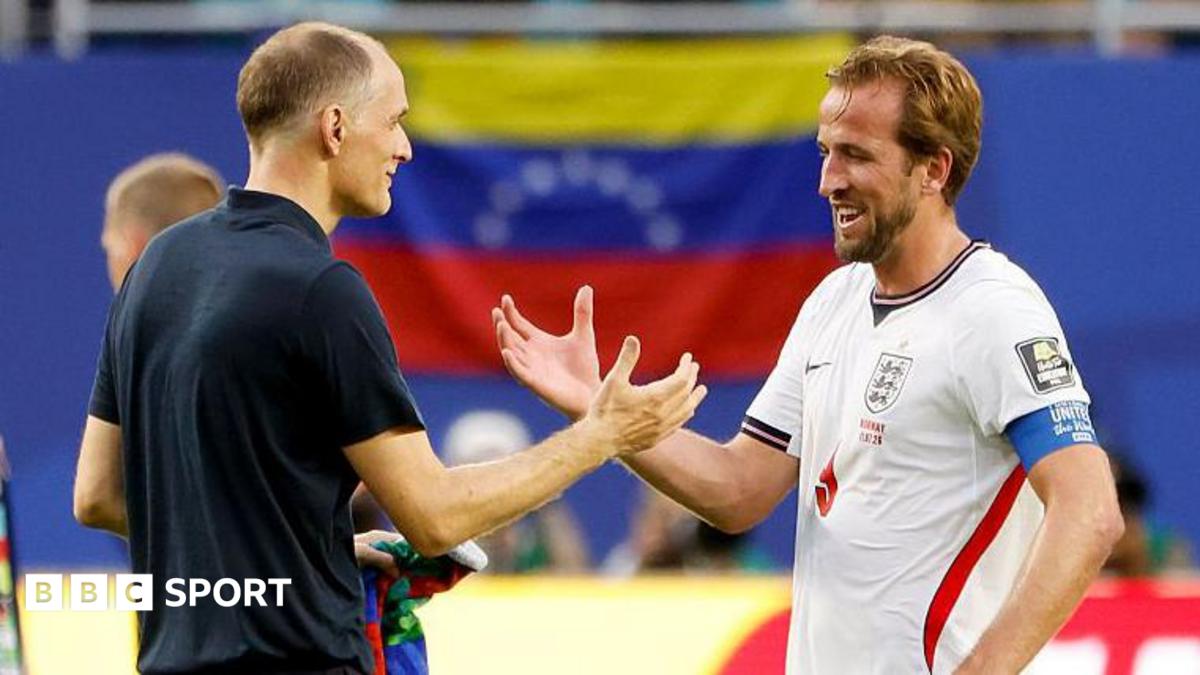
Tunisia dismissed Sabri Lamouchi on 15 June 2026, within hours of a 5-1 defeat by Sweden in their opening World Cup match. The scoreline made his position vulnerable. The speed of the response made the decision more revealing. Before Tunisia had time to absorb the result, review the performance or turn toward their next Group F assignment, the federation had converted one disastrous night into a change of command.
The dismissal will be described as the predictable consequence of a four-goal defeat. That is true, but incomplete. Tunisia have treated the opening match not merely as a setback but as a verdict, choosing the immediate shock of removing the coach over the slower risk of leaving him in place. It is an attempt to preserve the tournament by declaring that the failure belonged to the management rather than to the campaign as a whole.
The scoreline became the process
A 5-1 loss at a World Cup does not require elaborate interpretation. It is severe enough to create its own momentum, particularly in an opening fixture, when every weakness appears magnified and every remaining match begins to look like an exercise in damage control. Tunisia's decision reflects that brutal arithmetic.
Yet the timing matters because a World Cup offers almost no room for institutional repair. A federation can remove a coach immediately, but it cannot install months of preparation, redesign a squad or rebuild confidence between matches. The practical effect is therefore narrower than the symbolism. Tunisia have changed the authority at the top while leaving the same players inside the same tournament.
That does not make the decision irrational. Dressing rooms can lose faith quickly after a collapse, and federations sometimes conclude that continuity carries a greater psychological cost than disruption. But the sacking also creates a new burden. Tunisia's next performance will now be judged not only as a football match, but as a referendum on whether the intervention achieved anything.
One match, final judgment
The dominant framing is straightforward: concede five, lose by four, lose the job. CBS Sports and Al Jazeera reported the dismissal within hours of the final whistle and treated it as the expected consequence of the result. That reading captures the public logic of the decision. Elite football rarely rewards patience when humiliation arrives on its largest stage.
But inevitability is often constructed after the event. A scoreline can establish that a plan failed on the night; it cannot, by itself, prove that the coach was the only cause or that immediate dismissal is the best available correction. Removing Lamouchi turns a collective defeat into a personalised act of accountability. It gives supporters a visible response and the federation a clean break in the middle of an untidy campaign.
This is the familiar attraction of the managerial sacking. The coach is the one component an institution can replace overnight. Players cannot be exchanged wholesale, preparation cannot be replayed and the opening result cannot be revised. Authority, however, can be reassigned. The action is concrete even when its football value is uncertain.
There is also a reputational calculation. Waiting after a 5-1 opening defeat could be presented as steadiness, but it could just as easily look like paralysis. By acting immediately, Tunisia's decision-makers have separated themselves from the failed performance. The message is unmistakable: the result was unacceptable, and the people above the coach will not be seen accepting it.
A tournament built for panic
World Cups compress judgment. A club season allows bad form to be tested against time, injuries, opposition and tactical adjustment. A group campaign offers no such luxury. One heavy loss can damage points, goal difference and confidence at once. The temptation is to answer compression with acceleration, making in hours a decision that would ordinarily follow a longer review.
That is why the dismissal is more than a story about Lamouchi. It shows how tournament management can become crisis management after a single match. The federation is no longer overseeing a prepared campaign. It is trying to interrupt a narrative before it hardens around the team.
The danger is that the intervention may simplify the wrong problem. If Sweden's five goals exposed weaknesses distributed across selection, structure, execution and preparation, changing the coach cannot erase all four. It can alter instructions and mood. It can also unsettle roles, invite confusion and make every subsequent error look like evidence that the federation acted too late or too hastily.
Still, inaction would have carried its own cost. Leaving Lamouchi in charge would have required officials and players to defend continuity while the 5-1 score remained the defining fact of Tunisia's tournament. The federation chose rupture because rupture is legible. Everyone can see that something has changed, even if nobody can yet know whether the important things have.
The next match owns the decision
Tunisia now enter the remainder of Group F with two contests running in parallel. The first is the competition on the pitch. The second is the struggle to control what the opening defeat means. Was Sweden the beginning of a collapse, or an isolated disaster severe enough to force a reset?
The answer will not come from the announcement. It will come from the team's shape, discipline and response under new authority. A more coherent display would allow the federation to argue that it acted before the campaign became irretrievable. Another breakdown would expose the limits of treating the coach as the principal remedy for a failure produced by an entire football operation.
For the players, there is no refuge in the change. Lamouchi has absorbed the immediate institutional punishment, but the squad must carry the scoreline into the next fixture. The dismissal removes one source of pressure and creates another: they must now demonstrate that the federation's emergency measure was more than theatre.
Tunisia's officials have made the fastest decision available to them. They have not made the hardest one, which is determining why a World Cup plan failed so comprehensively when the tournament began. That inquiry will take longer than the interval between group matches. For now, the next team sheet will serve as both tactical document and institutional defence.
Sources
- Wikipedia, “Sabri Lamouchi”, accessed 15 June 2026.
- Wikipedia, “Tunisia at the 2026 FIFA World Cup”, accessed 15 June 2026.
- Wikipedia, “2026 FIFA World Cup Group F”, accessed 15 June 2026.
Desk note: Wire coverage treated Lamouchi's dismissal as the expected consequence of the scoreline. Monexus accepts that framing while focusing on what the speed of Tunisia's decision reveals about accountability under tournament pressure.