Turkey's quick embrace of a US-Iran deal tells you who reads the room first
Ankara moved within hours to bless a US-Iran memorandum. The speed of the endorsement, more than the language, says where the diplomatic gravity in the Gulf is shifting.
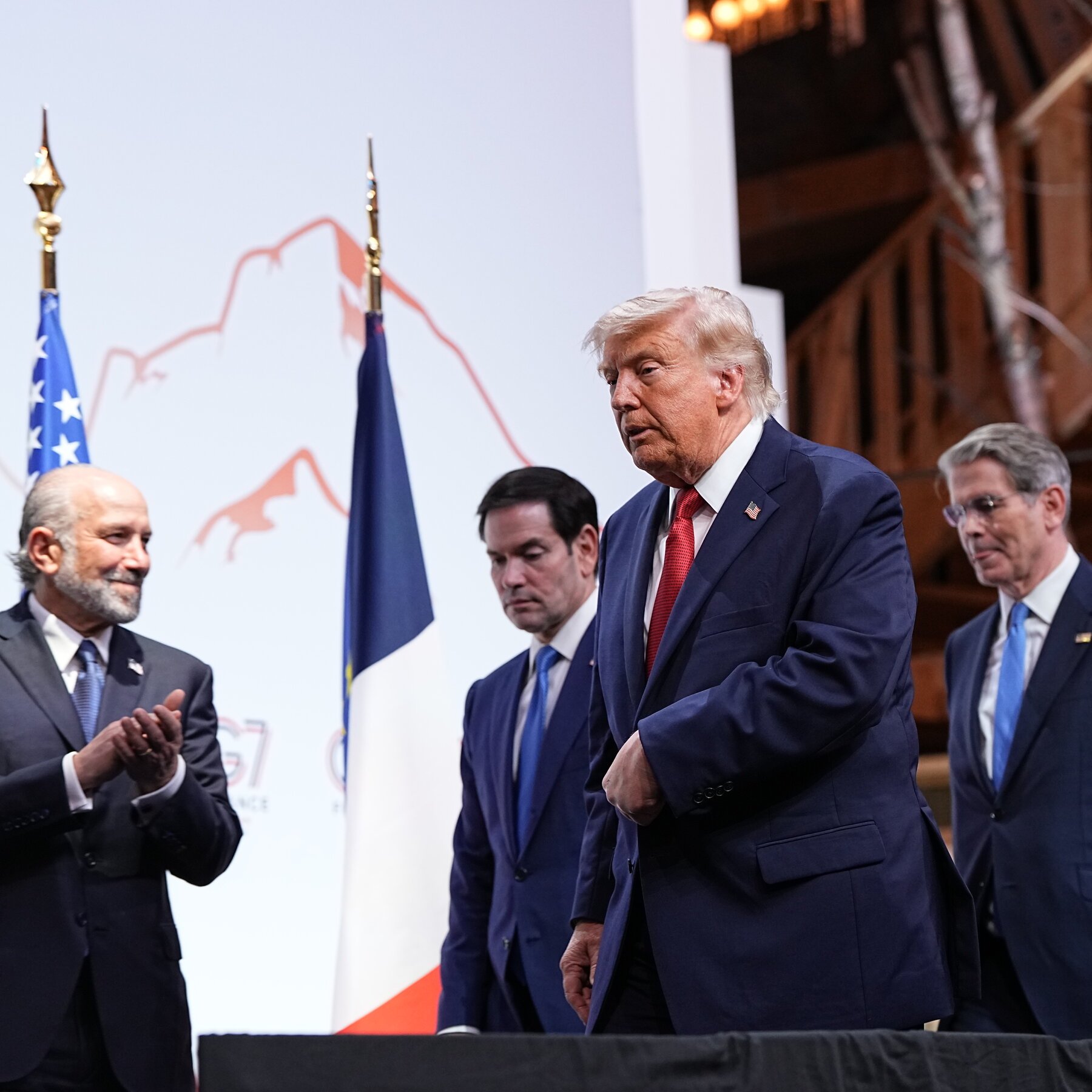
The readout was dry, but the clock told the story. By 23:09 UTC on 14 June 2026, Turkish Foreign Minister Hakan Fidan was already calling a freshly inked US-Iran memorandum "an important milestone on the path to establishing lasting peace and stability in the region." Within the hour the same line — word for word, in three different translations — was cascading through Iranian state-linked channels, from Fars to Tasnim to the Jahan Tasnim mirror, each carrying the same Fidan quote as if stamped from a single template [1][2][3][4][5]. In a region where silence is itself a position, Ankara spoke first.
The endorsement matters less for what it says than for who said it and how fast. Turkey is not a peripheral player in this file. It hosts NATO's southeastern flank, runs the Bosphorus, balances — sometimes uneasily — between Tehran and Washington, and is the only regional capital that can talk to the Gulf, the Levant, Iran and the US State Department in the same working day. When its top diplomat publicly welcomes a deal before most foreign ministries have scheduled a press conference, that is a signal about who has been consulted, and who expects to be cut in on the follow-up.
The choreography of a quick blessing
The mechanics of the welcome are revealing. The Clash Report wire carried the Fidan quote at 23:09 UTC on 14 June, framing it as a reaction "to the agreement reached for the purpose of ending the war between the United States and Iran" [5]. Two hours later, at 00:02 UTC on 15 June, three Iranian outlets — Fars News International, Tasnim News English and the Jahan Tasnim mirror — published versions of the same statement, in some cases with identical phrasing, underlining the diplomatic value Ankara places on being seen as a credible broker rather than a bystander [2][3][4]. A further fifteen minutes on, the wfwitness channel relayed the Fidan line a second time, this time with the warmer formulation about a "lasting peace and stability" [1].
The most plausible read is that Turkey wanted daylight between itself and the deal itself. Welcoming a memorandum is not the same as signing it; it costs nothing to praise, and it positions Ankara to claim credit if the agreement holds and to claim foresight if it does not. That is the kind of low-risk, high-visibility move small-to-middle powers make when they suspect the great powers have already divided the spoils.
Why Tehran amplified it
The Iranian side's eagerness to publish the Fidan line is the second half of the same story. State-adjacent outlets do not run foreign-ministerial quotes at volume unless they serve a domestic or bargaining purpose. Here, two purposes are visible. First, the framing helps Tehran sell a memorandum that hardliners will read as concession: "ending the war" language, endorsed by a NATO member, is easier to defend inside the Islamic Republic's security debate than a bare announcement. Second, it signals to Gulf capitals and to European chancelleries that the deal has regional legs — that at least one Muslim-majority, US-allied government is willing to underwrite the diplomatic move in public.
That is a meaningful counter-narrative to the assumption that Iran faces this round of talks isolated. Whether the welcome translates into a sustained role for Ankara in the implementation phase is a separate question. The Turkish readout does not describe any mechanism — no working group, no verification track, no commercial annex — that would lock Turkey into the deal's architecture.
The structural read: a Gulf deal made in the Gulf
The speed and symmetry of the Fidan endorsement points to a wider pattern in 2026: the diplomatic gravity of Middle East crisis-management is shifting from the transatlantic capitals to regional ones. The old architecture — Washington drafts, Europe endorses, regional governments comply — has been visibly fraying since the post-2024 Gaza and Lebanon rounds. What is replacing it is messier and more transactional: a set of regional hubs — Ankara, Doha, Riyadh, Abu Dhabi — each running its own channel into Tehran, each willing to lend rhetorical cover in exchange for a seat at whatever table follows the communiqué.
In plain terms, the deal that emerges is no longer simply an American deal that the region is asked to accept. It is a regional deal that America is asked to underwrite. The Fidan quote, in three Iranian translations, is the visible footprint of that shift.
Stakes and what remains unresolved
The endorsement lowers the political cost of the agreement for Tehran and raises Ankara's profile as a swing broker. The losers, in the short term, are the governments and factions that built their posture on the assumption the US-Iran track would collapse: maximalists in Washington, IRGC hardliners in Tehran, and any regional actor whose leverage depended on the talks failing. The winners are the diplomats and commerce ministries that can now start sketching pilot projects — energy swaps, banking channels, possibly a revival of the 2015-era sanctions architecture in diluted form — without waiting for the next crisis to intervene.
What the public sources do not yet settle is the deal's substance. The Fidan line describes an "agreement" and a "memorandum," but the wire items circulating on 14–15 June carry no text, no sanctions-relief schedule, no nuclear constraints, no reciprocal commitments. That is the next test. Endorsements are cheap; implementation is the bill. Until the text is public, the welcome from Ankara is a forecast of what Turkey wants the deal to become, not a description of what it is.
This publication has framed the Fidan endorsement as a regional signal rather than a wire rewrite; the desk treats Turkish and Iranian state-adjacent channels as primary sources for the statement itself, while flagging that the underlying US-Iran text has not been released in the materials available to us.
Wire provenance
This editorial synthesis draws on the following public wire/social posts:
- https://t.me/wfwitness
- https://t.me/FarsNewsInt
- https://t.me/tasnimnews_en
- https://t.me/JahanTasnim
- https://t.me/ClashReport