Scottie Scheffler and the most open U.S. Open in years: a tiered read of the 2026 field
With Scottie Scheffler chasing the career Grand Slam and Rory McIlroy hunting a second major of 2026, the U.S. Open field at Pinehurst No. 2 is unusually deep — and unusually unsettled at the top.
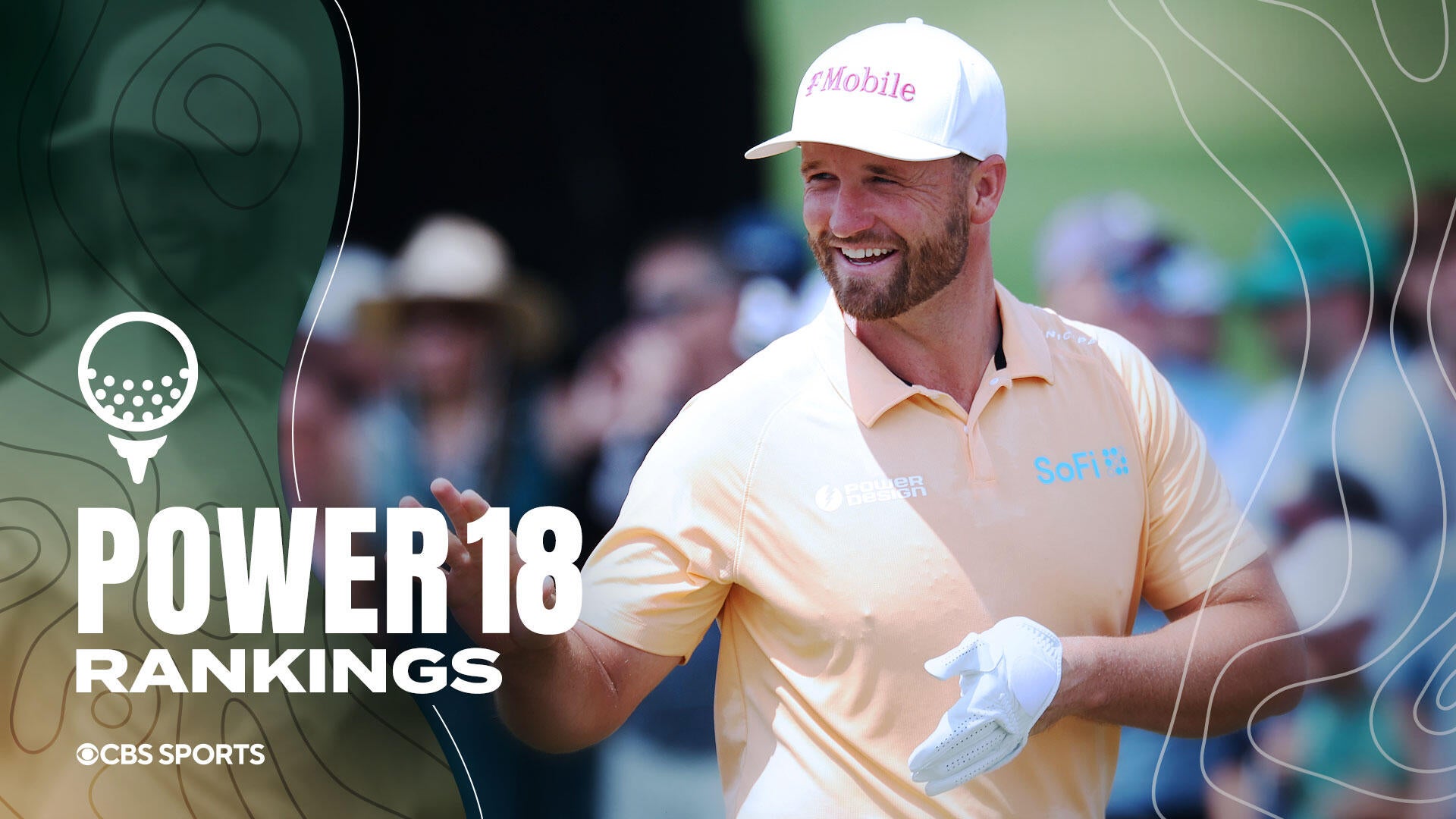
The 2026 U.S. Open returns to Pinehurst No. 2 this week carrying the heaviest single storyline in men's professional golf: whether Scottie Scheffler can complete the career Grand Slam and become the first player since Tiger Woods in 2000 to hold all four major titles simultaneously. According to a field breakdown published by ESPN on 15 June 2026, that question is the organising frame around which the rest of the championship is being read — with Rory McIlroy's bid for a second major of the 2026 season sitting one tier below.
That framing is the right one. The 2026 U.S. Open is a tournament with a clear first question, a credible second question, and a deep enough field to make both answers unstable until Sunday. The interesting analytical work is in the tiers below the favourites — the contenders, the long shots and the names that need only a made cut to define their summer.
Scheffler's place in the field
ESPN's tiered ranking puts Scheffler in a category of his own, principally because no other player in the field combines his current world ranking, his ball-striking consistency and a single missing major. The career Grand Slam is a binary proposition: he either wins at Pinehurst No. 2 this week, or he doesn't, and the answer will not turn on weather or draw. The more useful question is whether the field behind him is strong enough to make him work for it, or whether the tournament becomes a coronation by Saturday afternoon.
The early indications are that it will be a contest. ESPN's tiering lists multiple players in the immediate contender band, and the course itself — restored Donald Ross sand-and-waste areas, the turtleback greens, the absence of rough in the conventional sense — historically punishes the slightest miss off the tee. Pinehurst No. 2 is not a layout that hands Scheffler a win. It asks him to plot his way around.
The McIlroy variable
McIlroy's position, per the same ESPN breakdown, is the most volatile in the field. He already owns one major in 2026; the question is whether he has the controlled aggression to add a second in the same season. McIlroy's record in the U.S. Open is the curious part of his career ledger — a major he has won once, in 2011, and one he has finished runner-up in more often than any other. The ESPN analysis does not name a specific stat, but the framing is plain: if McIlroy plays the first two rounds as he has played the Masters and the PGA Championship this year, he will be in the final group on Sunday. If he does not, the field will absorb him.
This is the structural feature of the modern U.S. Open that the tier lists sometimes flatten. The tournament rewards patience and shot-making under penal conditions more than any other major. That is the argument for an outsider — a Hideki Matsuyama type, a Bryson DeChambeau type, or any of the European tour players ESPN groups in the middle tier — to break through.
The middle of the pack and the cut line
Below the top two tiers, ESPN's breakdown becomes a useful exercise in itself: it identifies a group of players whose realistic goal is the weekend, not the trophy. The U.S. Open is unique among the majors in paying meaningful official-world-ranking points to anyone who makes the cut and finishes in the top 30. That is the structural reason a half-dozen players in the 40-to-70 world-ranking band treat the week as career-making rather than career-defining.
The framing matters because the broadcast coverage will spend roughly 90% of its airtime on the top tier, and the leaderboard will not cooperate. Pinehurst's restored design is built to put unfamiliar names near the top of the leaderboard through 36 holes, then test them on Saturday. A reader looking for value in the field should look at that middle tier — not the favourite column.
What the sources leave out
Two caveats worth naming. The ESPN tiered breakdown is a snapshot, not a prediction; it reflects form and reputation entering the week, not the leaderboard after two rounds at Pinehurst No. 2. And the source does not specify tee times, draw groupings or weather windows — all of which historically move U.S. Open outcomes more than the pre-tournament tier lists suggest.
What can be said with confidence: the 2026 U.S. Open is the most consequential single week of the men's major-golf calendar since the 2019 PGA Championship at Bethpage. The Scheffler question is the headline. The McIlroy question is the sub-headline. Everything from Friday afternoon on is a question the sources do not yet contain.
This piece reads the field the way the U.S. Open itself rewards: in tiers, with patience, and with humility about what a Thursday morning scoreboard can still do to a Sunday script.