World Cup anticipation builds as Africa tunes in for a tournament it is not just watching
With weeks to go before the 2026 FIFA World Cup kicks off, BBC Sport is already running daily player-identification games and Kenyan outlets are testing the public's appetite. The pattern is familiar: African audiences are positioned primarily as spectators, not as participants with skin in the competition's hosting economy.
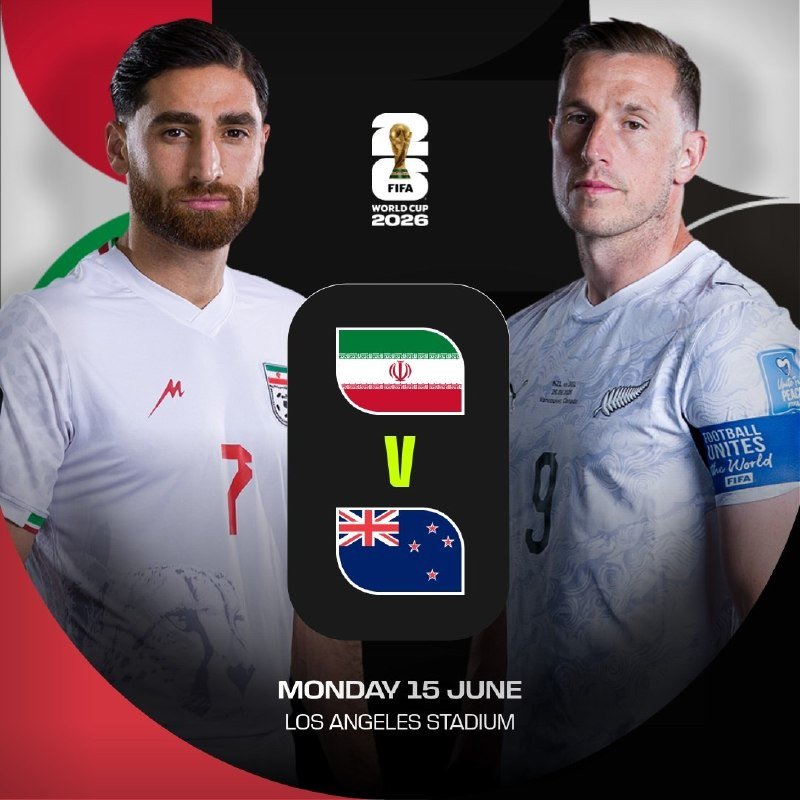
On 15 June 2026, BBC Sport published the eighth instalment of its daily World Cup player-identification quiz, a low-stakes marketing funnel that doubles as a useful thermometer for global fan engagement roughly two months before the tournament begins in North America. The same morning, The Star Kenya asked its readers, in a single-line Telegram post timed 05:33 UTC, whether "the World Cup fever" had "caught up" with them yet. Read together, the two items sketch a familiar map: an editorial heavyweight in London monetising anticipation, and an African newsroom checking whether that anticipation has, in fact, landed.
The question worth asking is not whether the World Cup is popular in Africa. It plainly is. The question is who captures the value of that popularity — and whether African media organisations and African players are now positioned inside the tournament's commercial architecture, or are still primarily the audience that global broadcasters and sponsors reach. The 2026 edition, hosted across the United States, Canada and Mexico, is the first to feature 48 teams. That expansion was sold in part as a moment of widening access. Whether it has widened revenue, or merely widened the viewing public for someone else's product, is the more honest framing.
The engagement funnel, and who owns it
BBC Sport's quiz format is a small but illustrative piece of the picture. A daily "guess the player" puzzle keeps the tournament's top stars in circulation in the algorithm, drives returning traffic to the BBC's coverage hub, and supplies the corporation with first-party data on which names the audience knows. None of that is sinister in isolation; quiz content is a routine part of a sports desk's pre-tournament playbook. What it reveals, structurally, is that even the warm-up content of a World Cup year is engineered to consolidate attention on a small number of brand-name outlets.
For an African audience, the practical effect is that the countdown to the tournament is mediated. The faces in the BBC quiz are almost certainly the faces African fans will see most often across the next two months — not because the BBC is distorting the sport, but because it sits near the top of the attention stack and the rest of the stack is built to flow through it. The Star Kenya's one-line question, by contrast, performs no such function. It registers mood; it does not shape the agenda that mood will eventually express itself through.
The reading from Nairobi
The Star's prompt is worth dwelling on precisely because it is so short. There is no quiz, no player to identify, no prize structure — just an open question to a readership that the paper's editors are clearly uncertain has yet engaged with the tournament. That uncertainty is itself revealing. A Kenyan sports desk in mid-June 2026 is still asking whether the World Cup has "caught up" with its audience. Either the answer is no, in which case the broadcaster-and-sponsor assumption that African markets are a captive global audience for this tournament is overstated, or the answer is yes, in which case the same editorial instincts that produced the BBC quiz might usefully be imported into the local market — built locally, owned locally, and monetised locally rather than scraped for engagement metrics that flow back to London.
The honest reading is some combination of both. African football interest is intense, durable and well documented; it does not need to be manufactured. But the infrastructure that converts that interest into advertising revenue, pay-television subscriptions, licensed merchandise and tourism is still overwhelmingly external. The quiz on BBC Sport is, in that sense, a small extractive technology — a tidy little engine that turns African attention into BBC first-party data.
What a more level field would look like
A more even distribution would not require any boycott or any restructuring of FIFA's broadcast deals. It would simply require African media organisations to act on the assumption, now plainly defensible, that African football audiences are producers of sporting culture, not just consumers of it. A daily quiz built in Nairobi or Lagos, licensed locally, with local players prominent in the pool, would do more than capture a few hundred thousand page views; it would normalise the idea that the warm-up content of a World Cup year is not the natural property of any one outlet. The material to do this exists. The commercial logic to fund it exists, given how cheaply digital content can be produced at scale. What has historically been missing is the conviction that the audience is worth that investment — and the recognition that, in a 48-team tournament whose expansion was sold on access, the first market the new format should serve is the one that has always watched longest and loudest.
What remains uncertain
The two source items do not tell us how the Kenyan readership actually responded to The Star's question, nor which player BBC Sport's quiz identified on the morning of 15 June 2026. They do not, in other words, settle whether World Cup engagement in Africa is currently growing, plateauing or just early. The sources also do not specify how much of African media's World Cup coverage in 2026 will be syndicated from European wire desks versus produced by African reporters on the ground in the United States, Canada and Mexico — a question that will matter more than any quiz once the tournament begins. What they do establish, plainly and dated, is that the warm-up is underway, that the loudest voices in it are based outside Africa, and that African outlets are still, at this stage, feeling the temperature rather than setting it.
This publication framed the BBC's quiz and The Star's Telegram prompt as competing artefacts within a single attention economy, rather than as parallel trivia — a reading the original sources do not draw themselves.
Wire provenance
This editorial synthesis draws on the following public wire/social posts:
- https://t.me/TheStarKenya