Cape Verde hold Spain to a goalless draw in the first shock of the 2026 World Cup group stage
Ranked 64th in the world, Cape Verde shut out pre-tournament favourites Spain 0-0 on Monday, the first major upset of the group stage and a pointed reminder that the small island squad has grown up.
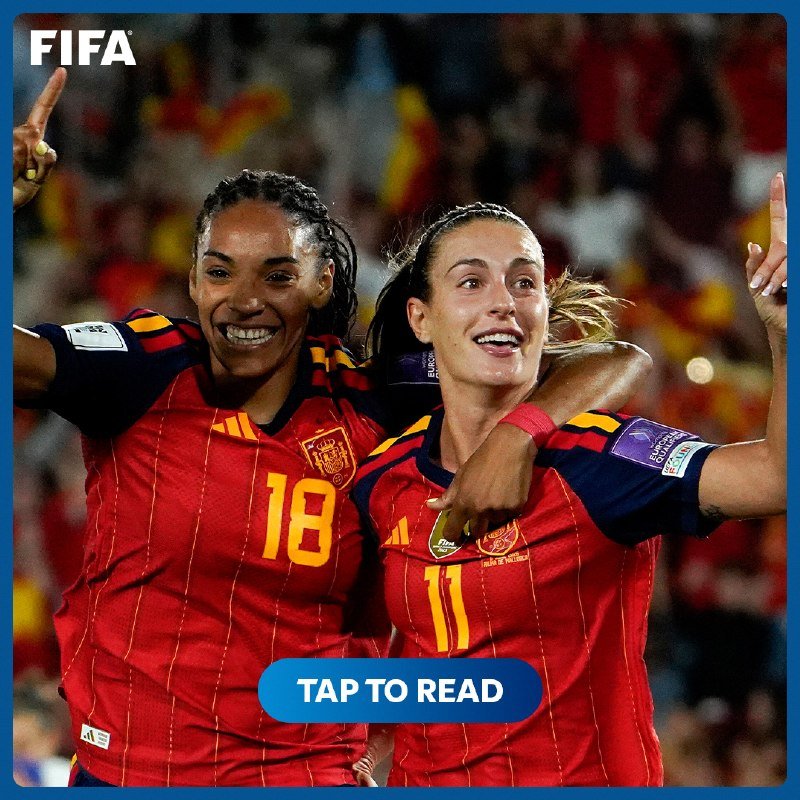
Spain arrived at the 2026 World Cup as one of the bookmakers' favourites. By full-time on 15 June 2026, Luis de la Fuente's side were applauding a 0-0 draw against a Cape Verde team ranked 64th in the world and, in the pre-tournament wire copy at least, barely on the radar of casual viewers. The result, confirmed in the group-stage opener for both nations, is the first major upset of this World Cup cycle.
The point is not that Spain played badly. It is that a country of roughly 590,000 people, with a domestic league the Spanish press would struggle to locate on a map, walked onto the same pitch as the reigning touchstone of European possession football and refused to be overrun. That is a sporting story with a clear political undertone: a Global South side, dismissed in preview coverage as a feel-good footnote, has begun to treat the game's traditional pecking order as negotiable.
A draw that reads as a statement
Cape Verde's players celebrated the final whistle with the kind of unbuttoned emotion usually reserved for knockout wins. BBC Sport's coverage captured the dressing-room scenes after the whistle; ESPN, reporting from the stadium, framed the result as the first shock of the group stage. The Blue Sharks had not merely survived ninety minutes against Spain. They had pressed high, contested second balls, and limited the Spanish midfield to the kind of sterile possession that has historically been the Iberian side's chief weapon.
De la Fuente's post-match comments, carried by ESPN, struck a note of mild condescension rather than alarm. Spain would not panic, the coach insisted; their opponents, in his telling, were the "inferior" side on the night. The framing tells its own story. A team ranked 64th, drawing 0-0 with a top-five nation, does not need to be flatteringly described to be taken seriously. The scoreline does that work.
Why the underdog framing flatters the favourite
The pre-match narrative across European wires leaned heavily on Cape Verde as a curiosity: a small island federation punching above its weight, a tournament debut story to be filed under "human interest". The match itself punctured that framing. Cape Verde's squad, built around players who earn their living across Portugal, France, the Netherlands, and the lower reaches of La Liga, is no longer a regional sideshow. Several of its starting eleven play at a level, week in and week out, that is closer to Spanish top-flight reserves than to amateurs.
Spain, for their part, looked like a side still searching for a coherent attacking shape against a defence that sat deep, doubled up on the wings, and refused to give away the central corridor. The 0-0 scoreline is, in tactical terms, a vindication of the Cape Verdean game plan rather than a Spanish failure. The two readings are not mutually exclusive — but the second is closer to the truth, and it is the one most European preview coverage did not bother to write in advance.
What this says about the bracket
The practical consequence is a group that is now genuinely open. Spain take a single point into their next fixture rather than the three that early tournament favourites typically bank in their opener. Cape Verde, with a draw already in the bag against the group favourite, can play their next match with the kind of freedom that has historically suited them in qualifying rounds. For a small federation used to being measured by how gallantly they lost, the result resets the conversation.
There is also a longer arc worth naming. African sides at recent World Cups — Senegal over France in 2002, Ghana's run to the quarter-finals in 2010, Morocco's semi-final in 2022 — have tended to break through against the established powers in single, vivid matches rather than sustained campaigns. A 0-0 is not a giant-killing of that kind. But it is the kind of result that re-prices expectations inside the group, in the betting markets, and in the minds of the two sets of players who now have to meet each other again with a different psychological ledger.
Stakes and the open questions
The honest reading is that one group-stage draw does not, on its own, alter the trajectory of a tournament. Spain remain deep, experienced, and well-coached. Cape Verde will still need points against the other teams in their section to reach the knockout rounds, and the structural advantages of bigger federations — squad depth, recovery time, the financial cushion of a global brand — do not evaporate because of one result.
What remains uncertain is the reaction function. If Spain treat the draw as a one-off, a slip to be corrected, they will probably be fine. If Cape Verde treat it as proof of arrival rather than a foundation to be built on, the tournament may yet humble them. The match offered a small, sharp lesson in both directions: underdogs earn their status match by match, and favourites earn theirs the same way.
Wire provenance
This editorial synthesis draws on the following public wire/social posts:
- https://t.me/transfermarkt/2026-06-15