Jake Connor recalled as Brian McDermott names first England squad with 10 uncapped players
Brian McDermott's first squad as England head coach recalls Man of Steel Jake Connor and rewards ten uncapped players in an expanded 38-man group ahead of this year's Rugby League World Cup.
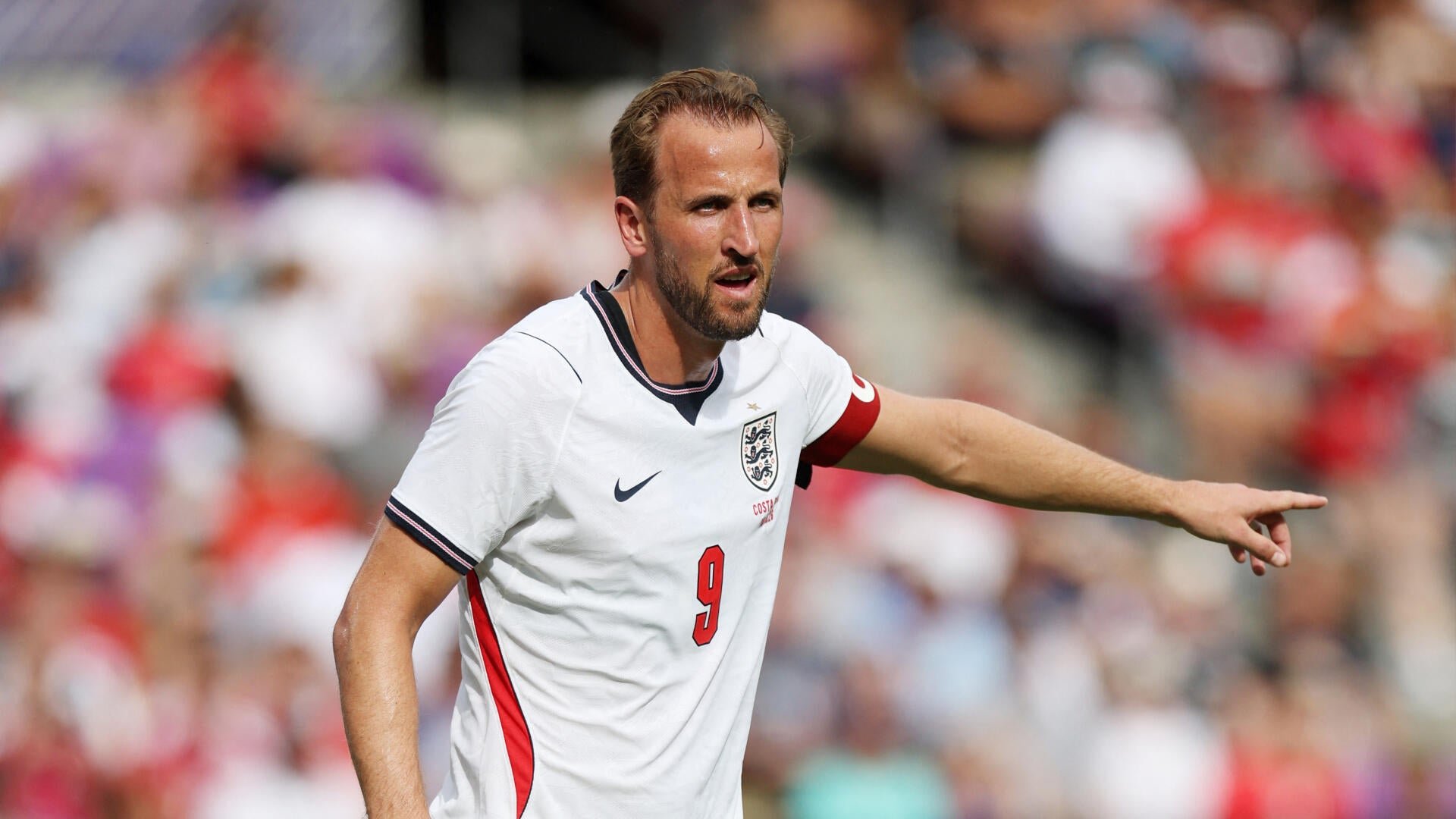
England coach Brian McDermott recalled Super League Man of Steel Jake Connor and named ten uncapped players in a 38-man performance squad on 16 June 2026, his first selection since taking charge of the national side ahead of this year's Rugby League World Cup.
McDermott's expanded group signals a deliberate reset. Ten names without senior caps sit alongside the likes of Connor, who reclaimed the sport's individual prize after a season in which he carried Leeds Rhinos' attacking shape. The balance — experience up front and in the spine, untested depth on the edges — is the kind of list a coach builds when he is trying to win a tournament and, simultaneously, audition the squad that will follow.
What the squad tells us
Thirty-eight is a large number. Performance squads in rugby league are usually the first cut before a coach trims to a tour party and then a final World Cup group, so the size is less a statement of intent than a working document. The headline is the recall: Connor had been out of the international picture, and his return gives McDermott a playmaker who can play stand-off, full-back or centre. The supporting cast of ten uncapped players points to a coach casting a wide net rather than rewarding incumbency.
Sky Sports reported the recall and the 38-man composition on 16 June 2026, the same day the Rugby Football League confirmed the wider list through its broadcast and digital channels. BBC Sport's match report framed the squad as McDermott's first statement, a reasonable read given the timing of his appointment and the World Cup on the horizon later this year.
The structural frame
International rugby league has spent the better part of a decade in an uncomfortable holding pattern. The sport's heartland — the heartlands of the thirteen-a-side code in the north of England, the eastern seaboard of Australia, and parts of the Pacific — has continued to produce elite athletes, but the pathways between club and country have become more crowded, not less. Selection panels have grown larger, eligibility rules have been quietly tightened, and the cost of a missed season to a player's international prospects has risen.
McDermott's expanded squad reads as a hedge against that. By naming ten uncapped players, the coach signals that domestic form, not reputation, will determine selection. The Connor recall does the opposite: it says there are players whose ceiling is high enough that the door is never fully closed. Both impulses can sit inside one announcement.
What stays contested
The composition of a 38-man squad is, in the end, an argument about who deserves another look. McDermott's choices will be parsed by club coaches who feel their players have been overlooked, by analysts who track selection trends across coaches, and by fans whose club allegiances colour any reading. The list is not a verdict — it is the start of a conversation that runs until the final squad is named.
What the two wire reports on 16 June 2026 do not yet specify is which of the ten uncapped players are positioned for senior debuts in the upcoming international window, whether Connor has been told he will line up at stand-off or elsewhere, and how the coaching staff will manage load across a Super League season that runs into the autumn. Those details typically emerge when the tour itinerary is published.
Stakes
The Rugby League World Cup is the only senior tournament in the code that carries genuine nation-versus-nation weight. For England's players, selection is the first rung of legacy. For McDermott, hired to lead the side into a tournament on home-tournament-adjacent terms, the first squad is the first auditable record. A coach who mixes youth and experience, and who is willing to bring back a player of Connor's profile, is signalling confidence in his own judgement about what wins a World Cup.
The 38-man group is a working document, not a destination. What matters, between now and the squad announcement that precedes the World Cup, is how McDermott uses it — which players graduate from performance-squad status to debuts, and which of the established names hold their places. Connor is back. The rest of the argument is just beginning.
Desk note: Monexus has framed this as a procedural reset — a new coach using an expanded squad to audit domestic form — rather than as a coronation for any single player. The wire framing centred on Connor's recall; the structural read is the ten uncapped names.