Norway's World Cup return puts Haaland at the centre of a national argument he didn't ask for
Solbakken's 15 June briefing framed Haaland as a piece in a working unit. Monexus reads it as the manager locking in the public ceiling before Norway's first World Cup in 26 years begins.
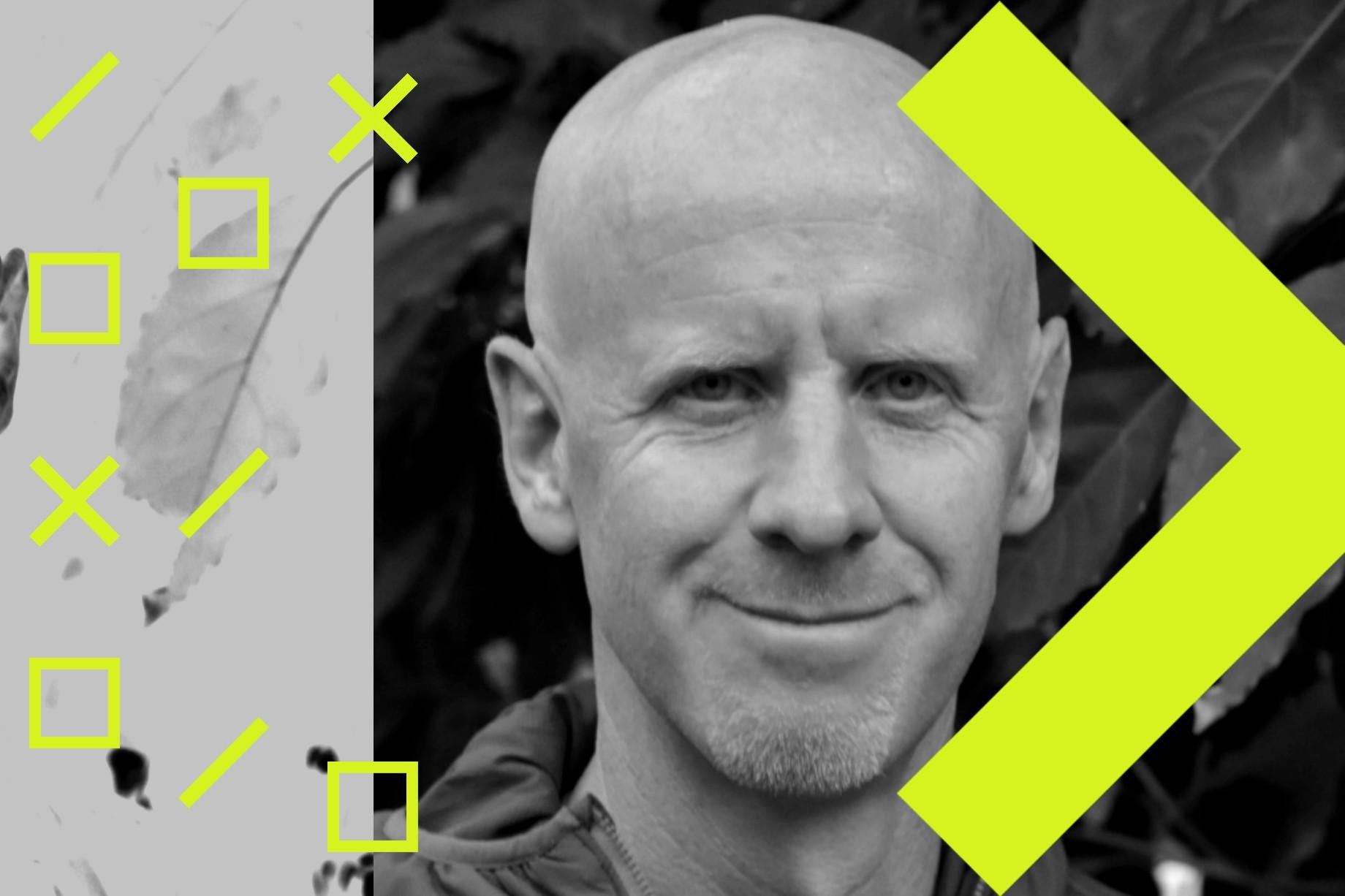
On 15 June, Ståle Solbakken walked to a podium in Oslo and did something Norwegian managers almost never do: he set the ceiling. The 56-year-old, who has run the men's national team since 2020, told reporters that Erling Haaland, the country's only true global footballing superstar, would be managed in North America not as a talisman to be worshipped but as a piece in a working unit. The briefing, filed through the Football Source wire on the eve of Norway's first World Cup appearance in 26 years, read on the surface as a routine squad update. Read another way, it was Solbakken drawing a line in front of the country's most predictable argument before anyone could have it.
Norway have not been at a World Cup since France 98, a tournament the team exited at the group stage and that Haaland, born four months after the final, has only seen on tape. His senior international debut came in 2019; by the time the squad flies across the Atlantic this month, he will be 25 and approaching a hundred caps, with a Premier League Golden Boot already on the mantelpiece. Solbakken, by contrast, is a veteran of the Norwegian league system who took over after Lars Lagerbäck's long caretaker run and has spent five qualifying cycles trying to convert a generation of elite individuals into a side that functions. The tension between those two facts: the country's only world-class striker and a coach whose mandate is collective shape, is the subtext of every press conference he has given since the play-off win sealed qualification.
The pre-emptive strike
Solbakken's habit, increasingly visible through this qualification cycle, has been to manage expectations in public so he doesn't have to manage them in the dressing room. The 15 June briefing was a textbook instance: a respectful framing of Haaland's role, a clear signalling that individual brilliance will be deployed in service of the block, and a refusal to indulge the question of whether Norway can build their tournament around one player. The wire treated it as a player-update. The shape of the thing, though, was managerial. Solbakken was locking in the public ceiling before the charter flight left Gardermoen, so that every Norwegian columnist, podcast host and bar-room pundit arguing about Haaland's minutes, his pressing numbers, or whether the team should be rebuilt in his image, would be arguing against a position the coach had already taken.
This is a country that does not lack for opinions about its most famous sportsman. Haaland's choice of Manchester City over Real Madrid in 2022 was debated as a matter of national strategy; his goalscoring records are followed with the kind of granular attention Norwegians usually reserve for cross-country skiing results. A first World Cup in a generation, on North American soil, with the squad's leading scorer likely to be one of the three or four most talked-about players at the tournament, is an argument waiting to happen. Solbakken spent the week before departure ensuring the argument starts on his terms.
What Haaland didn't sign up for
Haaland, for his part, has been notably disciplined on the topic. His public statements through the qualifying campaign have been short, workmanlike and pointedly un-messianic. He talks about the team, the block, the transitions, the duels. He has not once, to the visible frustration of broadcasters, indulged a question about his own numbers or his own status. This restraint reads, charitably, as professionalism. Less charitably, it reads as a player who has read the room: that anything he says about himself, at this particular tournament, will be parsed as a referendum on Solbakken.
The structural fact Solbakken is contending with is one every national-team coach of a small country knows. Norway produces one elite centre-forward a generation. The job is to give him enough of the ball to score, without giving him so much of the ball that the rest of the team forgets how to play. Done well, it looks invisible: Haaland scores, the block holds, the tournament is remembered as a team achievement. Done badly, it looks like an over-reliance, and the same columnists who called for his elevation will be the first to call for his rest. Solbakken's 15 June briefing was, in effect, an attempt to pre-empt that second reading by stating the first as policy.
The 26-year argument
Norway's absence from World Cups has its own internal mythology. France 98 was the low point of a decade in which the country slipped from regular qualifiers in the 1990s to a long spell on the outside. The intervening years have been marked by Europa League runs from Rosenborg, a generation of midfielders (Ødegaard, Berge, the late-arrival Sørloth) and a youth pipeline that, on paper, should have qualified more often than it did. The 2026 squad is the first to convert that pipeline into a place at the table. Solbakken has been in the chair long enough to absorb the blame for the absences and, now, to claim some of the credit for the return.
What the country wants from the tournament, and what Haaland can realistically deliver, are not the same thing. A first World Cup in a generation produces a national mood that prizes memory as much as result; the hope is less a deep run than a set of moments that can be replayed for the next 26 years. Haaland scoring in any game is a moment by definition. Whether the team around him can produce a second or third is the variable Solbakken has spent five years trying to stabilise. His 15 June framing: that the variable is now stable enough to trust, was the most political sentence of his week.
What to watch in the group stage
The tournament begins for Norway with fixtures that will set the tone of the country's reception back home. A first goal by Haaland will not settle the argument Solbakken is trying to close; it will open a new one, about whether the manager is being too cautious with his usage, or too defensive in his shape. The most informative games will be the second and third in the group, when the team has either established a baseline of performance or begun to drift. Solbakken's ceiling-setting was timed, deliberately, to a week before the opening fixture. He has given himself no room to move publicly; only the games themselves can move him.
The bet is that a manager who has spent five qualifying cycles learning how to talk to a country about a player it cannot stop talking about, will, once the ball is rolling, be the one Norwegian voice the public is willing to listen to.