The Iran deal the markets want — and the question nobody is asking
A US-Iran memorandum of understanding is reportedly being finalised, with frozen funds and a 30-day American withdrawal on the table. The markets are celebrating. The hard questions about what the deal actually does are barely being asked.
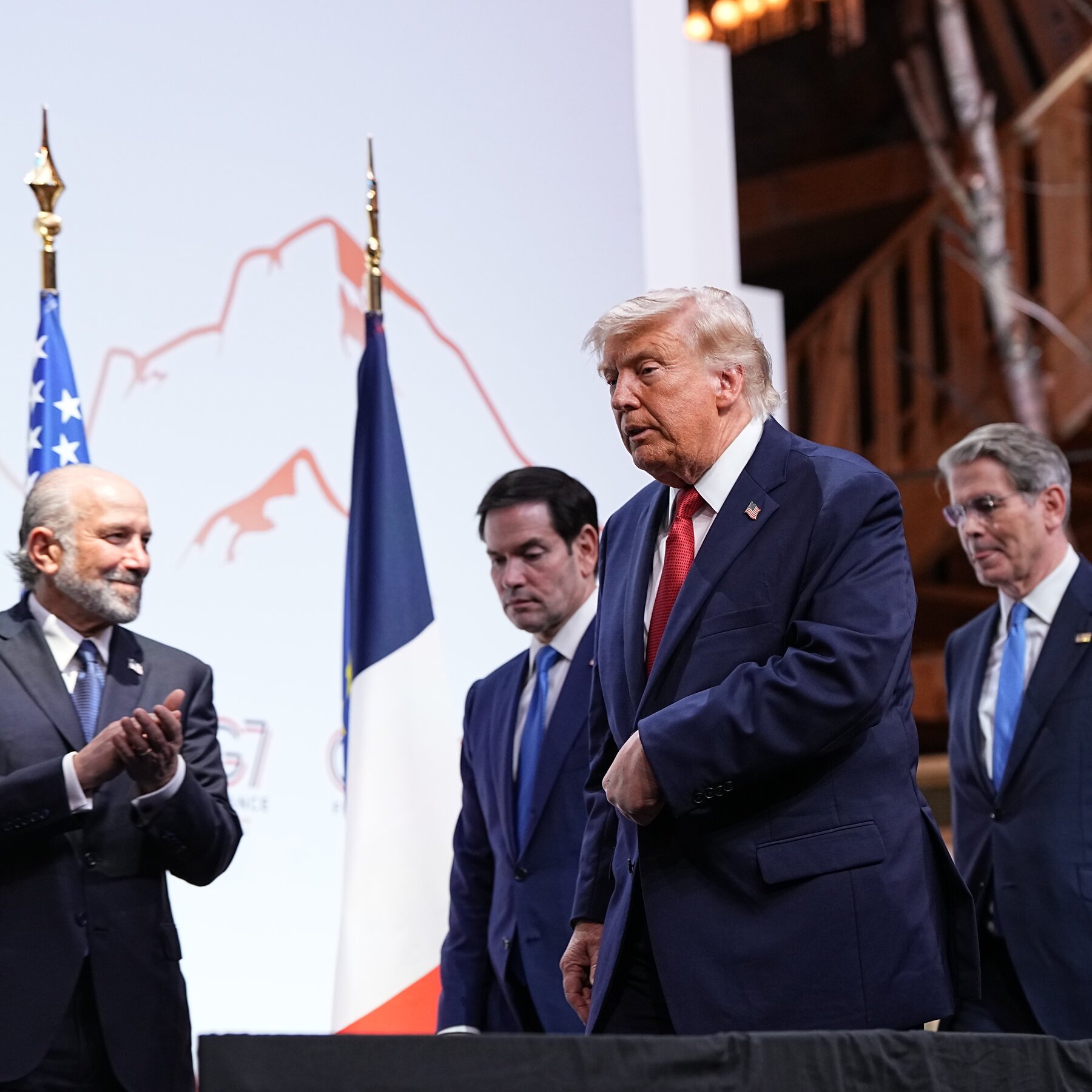
On 15 June 2026, in a sequence of posts that moved faster than most wire desks could file, a public markets account reported that Iran had said the memorandum of understanding with the United States was being finalised, that Washington would commit to release access to frozen Iranian funds, and — per the BBC — that US forces must leave Iran within 30 days of a deal. Within ninety minutes, a crypto-markets wire ran a single-sentence headline: Iran peace deal lifts crypto markets across the board. The bid was in. The narrative was in. The details were not.
The temptation, watching a risk-on tape light up on a Tuesday afternoon, is to declare the thing done. It is not done. What is on the table is a memorandum, not a treaty; a finalisation, not a signature; a 30-day clock that, by its very existence, implies an indefinite presence to wind down. The reporting available at the time of writing is fragmentary, much of it running through market-data channels rather than diplomatic correspondents, and the distinction matters more than the price action suggests.
What the wire is actually reporting
Strip the headlines back to their claims. First: a memorandum of understanding between Iran and the United States is being finalised, according to a markets account posting on X at 15:17 UTC on 15 June 2026. Second: as part of that arrangement, the US is said to have committed to giving Iran access to frozen funds — a separate post on the same channel, timestamped 14:57 UTC. Third: per the BBC, a deal would require US forces to leave Iran within 30 days.
Each of these is a single-source claim, and two of the three trace back to the same X account. The BBC reference is the only item that names an established outlet, and it is doing the work of period, not of substance — it tells readers the 30-day exit is being reported, not what US force posture in the Gulf would look like at hour zero of that countdown, or what "leaving Iran" means for bases that are nominally Iraqi or in international waters. The crypto-markets headline goes the other way entirely, treating the diplomatic track as a fait accompli. Neither posture is sustainable; both are now part of the trading floor's read.
The market read, and what it leaves out
Crypto is the easiest tape to read in real time, because it never closes. The lift described by CryptoBriefing at 15:45 UTC on 15 June 2026 is consistent with how that market has historically traded any headline that softens the Middle East risk premium: spot bid, oil-sensitive alts bid harder, leverage rotates back on. It is a market expressing a preference, not a market that has digested a treaty text.
What the market read leaves out is the counter-read. A memorandum of understanding, by long diplomatic tradition, is the document parties sign when they want to claim they have an agreement without being bound by one. The 30-day withdrawal clause is a confidence-building measure in the same genre — it sounds like a concession, and in a narrow sense it is, but it also presupposes an active US presence to withdraw. The frozen-funds concession is the most material item on the table, because it is the one that has a balance-sheet effect Tehran can feel in its current account. The dollar amounts under discussion, the jurisdictions holding the assets, and the sanctions architecture surrounding their release are precisely the details a memorandum is least likely to specify, and precisely the details that determine whether the deal is a thaw or a rebrand.
The frame the wires are using — and the one they are not
Coverage of the Iran file over the last fortnight has leaned heavily on the transactional read: sanctions in, dollars out, weapons programmes frozen, regional de-escalation achieved. That frame is not wrong. It is, however, partial. It treats the deal as a bilateral adjustment between two capitals, when the architecture of the arrangement is necessarily regional — Gulf states with a direct stake in the US force posture, Iraq hosting or transiting much of that posture, Israel reading the nuclear file through its own red lines, and Russia watching a sanctions regime it has spent two years routing around being quietly modified.
There is also a media-framing question that the wires are not asking loudly enough. The reporting that has moved fastest is the reporting that confirms the deal is happening. The reporting that interrogates the deal's substance — what is in the memorandum, what is not, who drafted which clause, which sanctions stay in place — is moving slower, and is being outshouted by the price tape. That asymmetry is not new. It is, however, worth naming, because it determines which version of the story readers will remember six months from now.
Stakes, and the part the sources do not settle
If the trajectory holds — memorandum signed, funds released, withdrawal sequenced — the obvious winners are Iran's central bank, Gulf risk assets, and any trader short volatility at the open. The obvious losers are the sanctions-evasion logistics that have propped up parts of the regional economy for two years, and whatever remains of the enforcement-first school in US policy. The harder question is whether the deal produces the kind of durable regional recalibration its celebrants are pricing, or whether it produces a 30-day window in which everyone's incentives point back toward confrontation. The sources available at the time of writing do not settle that. They do not, in particular, specify the dollar value of the frozen funds under discussion, the precise sequence of the withdrawal, or the status of Iran's nuclear file in the memorandum's text.
That is the question worth holding open as the headlines settle. The markets have made their first bet. The diplomacy is still being written.
Desk note: this article foregrounds the substance gap between the price action and the diplomatic reporting, and treats the wire-driven confirmation cycle as a story in its own right. Where the available sources are single-source or market-data in origin, that is named in the text rather than smoothed over.
Wire provenance
This editorial synthesis draws on the following public wire/social posts:
- https://t.me/CryptoBriefing
- https://x.com/unusual_whales/status/
- https://x.com/unusual_whales/status/
- https://x.com/unusual_whales/status/