Israeli drone strikes hit southern Lebanese towns in fresh escalation
Israeli airstrikes and artillery hit at least four towns across south Lebanon's Nabatieh district on 18 June, with Hezbollah returning fire around the Ali al-Tahir heights as Iranian negotiators delayed their Switzerland trip.
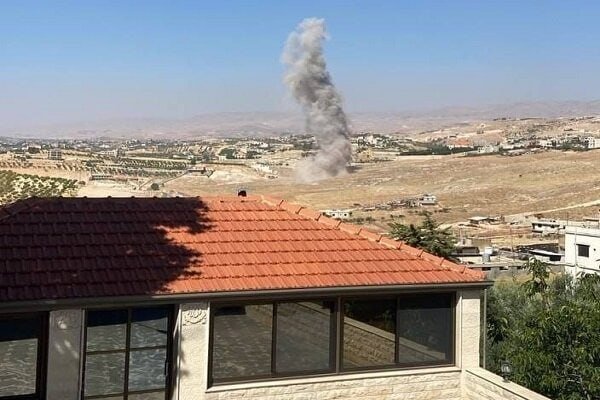
Israeli artillery and airstrikes hit at least four towns across south Lebanon on Thursday evening, with Hezbollah fighters returning fire on advancing Israeli units around the Ali al-Tahir heights in the Nabatieh district, according to field accounts relayed by Lebanese, Iranian, and regional Telegram channels. The exchanges come as Iranian negotiators delayed their trip to Switzerland for talks with the United States, a diplomatic pause that regional analysts say is tied directly to the renewed bombardment. The fighting, as described by the channels that broke the news, is the heaviest reported on the Israel-Lebanon frontier in the current escalation cycle, and it is playing out against the supposed effectiveness of a U.S.-Iran memorandum of understanding that Israel, by the account of one well-sourced channel, is openly ignoring.
The most concentrated burst of strikes came after roughly 22:00 UTC on 18 June, when multiple Israeli airstrikes hit towns in the Nabatieh governorate. Al-Alam Arabic, the satellite outlet of Iranian state media, reported that Israeli warplanes raided the towns of Harouf and Sharqiya, while the War Field Witness channel carried footage of strikes on Harouf's al-Baydar neighbourhood, where multiple casualties were reported but not independently counted. Press TV, Iran's English-language state broadcaster, posted imagery of artillery strikes targeting the town of Kfar Jouz, also in the Nabatieh district. Jahan Tasnim, the Farsi feed of Iran's Tasnim News Agency, added that Israeli airstrikes and artillery simultaneously hit the towns of Kafarman, Kafarjouz, and other villages in the area at the same time Hezbollah fighters engaged Israeli troops across multiple axes.
The ground picture, filtered through Telegram channels with documented editorial alignments, is at least as active as the air picture. According to the DDGeopolitics channel, which has become a near-real-time monitor of the southern Lebanon campaign, Israeli forces were advancing on positions including Kfartabnit, Ali al-Taher, and Al-Dabsha even as a U.S.-Iran memorandum of understanding was supposedly in effect. The channel described tracer fire and explosions in the area; in a separate post, it cited Israeli media describing a "complex and difficult security incident" in southern Lebanon with details under military censorship. The War Field Witness feed posted video of Israeli jets operating over south Lebanon and reported that clashes over the Ali al-Tahir heights between the IDF and Hezbollah were still ongoing late in the evening.
The casualty ledger is the part of the story where the sourcing is weakest, and the editorial choice to flag that is part of the record. The two channels that broke the news, The Cradle Media and Press TV, are the load-bearing sources in this dispatch: The Cradle is a regional outlet with a documented editorial line sympathetic to the axis of resistance, and Press TV is Iranian state media and is cited as such. Neither functions as a neutral wire. Where casualty figures and target identification would normally come from Reuters, AFP, the BBC, the IDF Spokesperson, the Lebanese army, or UNIFIL, no such confirmation is in the thread at the time of writing. The wfwitness channel reported multiple casualties from the Harouf strike; Al-Alam Arabic reported that "Islamic Resistance" attacks destroyed two Israeli military vehicles and burned others; Tasnim News Agency's English feed reported that four Israeli helicopters entered the area to evacuate wounded soldiers. None of these figures is independently verified in this dispatch, and Monexus will publish a follow-up when Western-wire sourcing becomes available.
What is verifiable without that follow-up is the diplomatic backdrop against which the strikes are now landing. Middle East Eye reported on 18 June that Iranian negotiators had delayed their trip to Switzerland for talks with the United States following the Israeli strikes on south Lebanon. The live updates thread tied the delay directly to the bombardment, framing the Israeli campaign as the proximate cause of the pause. Separately, a post attributed to a Hezbollah-linked account and circulated by the Sprinterpress account on X stated that "Hezbollah" had laid out terms requiring Israel to cease all hostile actions on land, at sea, and in airspace within sixty days and to fully withdraw its forces from Lebanese territory. The post is a statement of position, not a confirmed agreement; the underlying question it raises is whether the existing ceasefire framework, such as it is, can survive another cycle of escalation.
The memorandum of understanding at issue, if the DDGeopolitics account is accurate, is the one referenced in regional reporting on a U.S.-Iran understanding that would supposedly govern Israeli operations in Lebanon while negotiations proceed. The channel's framing is pointed: Israeli forces are advancing on south Lebanese positions while the MoU is "supposedly in effect." That framing is editorial, not neutral, and a reader should treat it as one informed interpretation among several. What can be reported from the field is narrower and harder. Israeli jets were overhead south Lebanon through the late evening of 18 June. Israeli artillery was active in the greater Nabatieh area, especially around the Ali al-Tahir heights. Hezbollah forces, by the accounts of multiple regional channels, were engaged with Israeli units across at least three named axes and claimed confirmed casualties and destroyed vehicles. Four Israeli helicopters arrived in the area to evacuate wounded, per Tasnim's English feed. The flares, the tracer fire, the burning vehicles, and the displaced ordnance lighting up the ridgelines are all visible in the social media footage.
The pattern matters more than any single strike. Each round of this campaign has begun with an Israeli aerial bombardment, escalated to ground manoeuvres against specific ridge positions, drawn Hezbollah fire on advancing units, and ended with a partly negotiated pause. The pause in November was followed by Israeli operations that critics called a violation of the terms; the current round began with strikes on towns that are named in ceasefire reporting as inside the area to which operations were supposed to be confined. The Israeli security concerns that drive the operations are real and are part of the record: rocket and missile fire into Israeli territory, the threat of cross-border infiltration, the residual presence of Hezbollah infrastructure in the south. None of that is at issue here. What is at issue, and what the Iranian negotiating delay puts on the table, is whether the diplomatic architecture designed to suppress the cycle is being honoured by all three of its would-be principals.
The next date to watch is the Switzerland meeting, now deferred. If Iranian negotiators travel once the bombardment pauses, the framework is intact enough to keep talking under. If the delay extends past the sixty-day window the Hezbollah-linked statement references, the framework has effectively been overridden in the field, and the next move belongs to the diplomatic channel or to the fighter jets. The record as it stands on the evening of 18 June is that the fighter jets are not waiting.
Sources
- https://t.me/thecradlemedia
- https://t.me/presstv
- https://t.me/JahanTasvim
- https://t.me/alalamarabic
- https://t.me/mehrnews
- https://t.me/tasnimnews_en
- https://t.me/wfwitness
- https://t.me/rnintel
- https://t.me/DDGeopolitics
- https://www.middleeasteye.net/live/live-us-and-iran-confirm-peace-accord-signing-set-friday
- https://x.com/sprinterpress
Desk note: Monexus anchored this story on the two Telegram feeds that broke it, The Cradle Media and Press TV, because no Israeli or Western-wire sourcing was available in the thread at the time of writing. The Cradle is treated as a regional outlet with a documented editorial line on the south Lebanon campaign; Press TV is treated as Iranian state media and is cited as such. Casualty figures, target identification, and Israeli-source confirmation are pending, and Monexus will publish a follow-up when Western-wire sourcing becomes available.
Follow the event.
These dated source records provide context. They do not retrospectively verify this archive article.
Separate what the nuclear watchdog reported from what it could not determine after the June 2025 strikes.