What the Knicks' anomaly tells us about the next NBA
The 2026 Knicks ended a 53-year title drought without the kind of singular superstar previous champions relied on. That, more than the trophy, is the story.
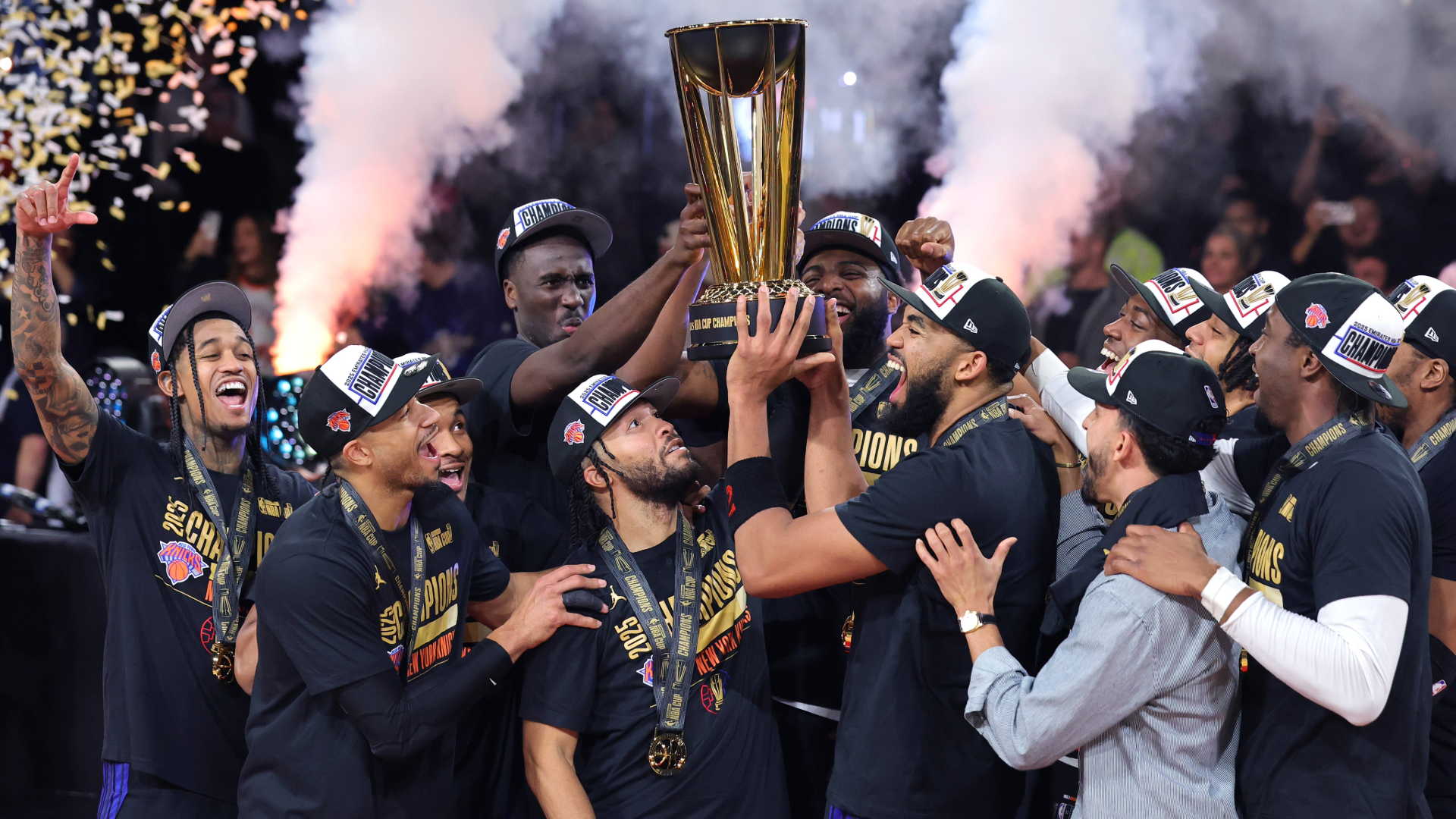
The New York Knicks are NBA champions for the first time since 1973, and the more interesting number is not the years between the banners but the composition of the one raised on 14 June 2026. According to CBS Sports' post-title wrap-up published at 17:12 UTC on 15 June 2026, this was a roster without a single consensus top-five superstar, a configuration the league's recent title-winners have not produced in the modern cap era. The Knicks broke a 53-year drought by ignoring, rather than answering, the template every rival front office has spent two decades copying.
The team that hoisted the trophy looks less like a coronation of one great player and more like a referendum on how the league's economics reward (or punish) superstars. The question is no longer whether the Knicks can sustain what they have. It is whether the rest of the league is willing to learn what the Knicks just proved.
The shape of an anomaly
Recent NBA champions have been identifiable by one name: the singular talent whose pull bent the rest of the roster into shape. The 2026 Knicks are unusual precisely because the through-line is not a player but a method. CBS Sports notes the roster is "most anomalous in NBA history" for its refusal to consolidate talent into a single megadeal. The build emphasised depth, two-way wings, interchangeable bigs, and a payroll stretched across seven or eight rotation players rather than concentrated in two max slots.
The cost, traditionally, has been a ceiling. The argument goes that without a top-five talent, a team cannot survive a seven-game series against another team that has one. New York just disposed of that argument. Whether the argument is now truly dead, or merely dormant, is the matter every front office is asking this week.
The counter-narrative
The dissent is straightforward. Stars in this era regularly miss time, rest in back-to-backs, and play in the 65-70 game range. A team with a healthy, locked-in top-five player for a 22-game playoff run still enjoys an edge a balanced roster cannot manufacture. A fair reading of the data is that the Knicks' run required an unusual absence or degradation of their main rival's best player, or an unusually clean injury ledger of their own. CBS Sports does not assert that, and neither should a reader. The sample size, as ever in pro basketball, is one postseason.
There is also a market effect. New York is the largest media market in the league, the most lucrative local-rights deal, and a destination free agents have historically chosen for reasons that have nothing to do with front-office philosophy. The Knicks may have built a coherent, star-light roster, but they also had leverage to recruit veterans on short money in a way a mid-market franchise does not. The lesson travels less cleanly than the headline suggests.
What the cap is really rewarding
The deeper structural change is in the league's collective bargaining agreement and apron rules, which have been tightening the penalties on high-spend teams since the 2023 agreement. The result, visible now in earnest, is a league where three max contracts increasingly squeeze a roster's flexibility to a breaking point. The 2026 Knicks, by allocating cap space across more players at lower individual numbers, kept themselves out of the second apron entirely and preserved trade optionality throughout the year.
This is not a small technicality. Teams operating above the second apron cannot aggregate salaries in trades, cannot use cash considerations, and face a frozen-pick penalty that compounds over multiple years. A roster built without a top-five star is, mechanically, a roster more likely to stay below that line, with more midseason levers to pull. The Knicks won the title inside the rules as they are now actually being enforced, and that is the part of the story that should worry teams that have built the opposite way.
Stakes for the rest of the league
The shorter-term stakes are roster decisions in the next 90 days. The 2026 free-agency window opens 1 July 2026 UTC, and the front offices preparing for it now have a live data point that contradicts the orthodoxy. Teams that have spent two max slots on a heliocentric pair will not blow those up overnight; contracts are contracts, and the trade market for top-five talents is thin. But second-tier decisions, the Bridges-and-grunts tier of rotation players, will tilt. The premium on multi-positional defenders, on ball-handling wings, and on stretch-fives who can switch, will rise. The discount on a 19-point-a-game volume scorer who cannot defend will deepen.
The longer arc is harder to call. Title windows in the salary-cap era are short by design. A 2026 championship built on balance does not guarantee a 2027 repeat; Cleveland's 2016 outlier, the 2004 Pistons, the 2011 Mavericks all demonstrate that an anomaly is still an anomaly, however perfectly executed. The Knicks' anomaly is real, but history is patient, and the singular-superstar model is not going to retire over one June.
This publication read the available wire closely. The sources are limited to the reporting cited above; roster-lineup specifics and contract figures beyond what CBS Sports documents are not asserted here.