McDermott's England reset: ten uncapped, one Connor, and a World Cup gamble
Brian McDermott's first England squad as head coach is a 38-man statement of intent: ten uncapped players, the return of Man of Steel Jake Connor, and a build-up window that leaves very little room for error before this year's World Cup.
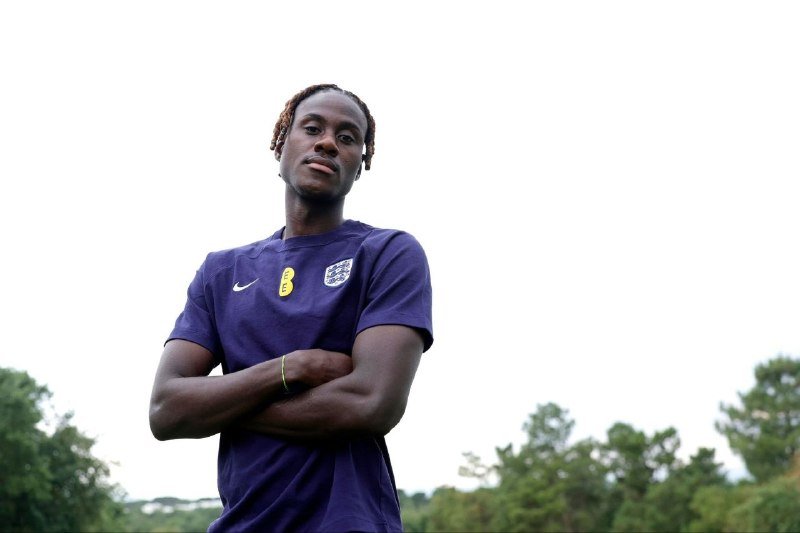
On 16 June 2026, Brian McDermott named his first England rugby league squad since taking the head-coach job — and the shape of the 38-man party tells the story of a regime trying to widen the talent pool in the same window it needs to win. Ten of those players have never worn the white jersey. One of them is Jake Connor, the 2025 Man of Steel, recalled after a spell in the international wilderness.
The gamble is structural, not cosmetic. With this year's World Cup on the horizon, McDermott does not have the luxury of a long audition cycle. He is using the expanded squad to test depth, blood new combinations and reintegrate a playmaker whose club form has been the most consistent in Super League — all at once.
A wider net, on a tighter clock
The headline number is the cap count. Ten uncapped players in a 38-man squad is roughly one in four — a ratio English rugby league has rarely indulged in a World Cup year. Squads of that size are usually reserved for the opening salvos of a new cycle, when the cost of an experiment is measured in caps rather than tournaments. McDermott is paying that cost now.
The driver is positional. The BBC reporting on the 16 June announcement frames the squad around the World Cup build-up, and the logic is straightforward: a coaching staff that has spent little time with the senior group needs reps with as many bodies as possible. The uncapped cohort is not being asked to make the team for the opening fixture; it is being asked to make McDermott's decision tree harder between now and the tournament proper.
The Connor variable
Jake Connor's recall is the single most consequential selection in the group. The 2025 Man of Steel award — given to the player of the season in Super League — is the sport's clearest marker of in-form talent, and Connor's form at club level has carried him back into the frame after a period out of favour. His distribution and kicking game give McDermott a left-footed organiser he can build a spine around, and his presence quietly displaces the incumbent halves who have held the jersey through the previous regime.
The countervailing read is the one familiar to anyone who has followed Connor's career: form is form, but international rugby league compresses decision-making into pockets that club football does not. McDermott is betting that the same instincts that earned Connor the Man of Steel survive the upgrade in defensive line speed and kick-chase intensity that a World Cup cycle brings. It is a defensible bet, but it is still a bet.
What the squad tells us about the succession plan
Reading across the 38 names, the structure is recognisable. The forward pack skews toward players who have already been through a senior camp; the outside backs include a mix of established starters and athletes McDermott has worked with at club level. The ten uncapped names are concentrated in the positions where succession is most thinly planned — second-row, hooker, and the back-line fringes.
That is the pattern new coaches tend to follow, and it is the pattern the previous regime did not always have the latitude to pursue. McDermott inherits a job that has been through staff turnover and mixed results in the cycle immediately behind him, and a governing environment in which the World Cup is treated as the only scoreboard that matters. His first squad, then, is less a verdict on the present than a draft of the depth chart for the next eighteen months.
The risks and the runway
The risks cluster around two pressure points. First, exposure: blooding ten uncapped players in a World Cup year accelerates their development but also raises the cost of a slow start. If England stumble in the early fixtures, the inexperience in the squad will be the first variable the public discourse reaches for. Second, balance: a 38-man group that tries to be both a winning team and a talent-ID exercise can end up serving neither. The coaching staff will have to decide, fixture by fixture, which brief takes priority.
What the announcement does not do is answer the harder questions. The squad is a starting hypothesis, not a settled pecking order, and the World Cup itself will be the audit. McDermott has bought himself a longer runway than his predecessors enjoyed at this point in the cycle, and used it to widen the door. Whether the room behind it is as deep as he needs it to be is a question only caps can answer.
— Monexus will frame this squad announcement through the lens of succession planning rather than the result of any single friendly, treating the 16 June 38 as a working draft rather than a verdict.