NFL front offices cast their lot on the offseason's sharpest moves
Around the league, decision-makers picked the same names — and split on a few — when asked which spring moves most changed their team.
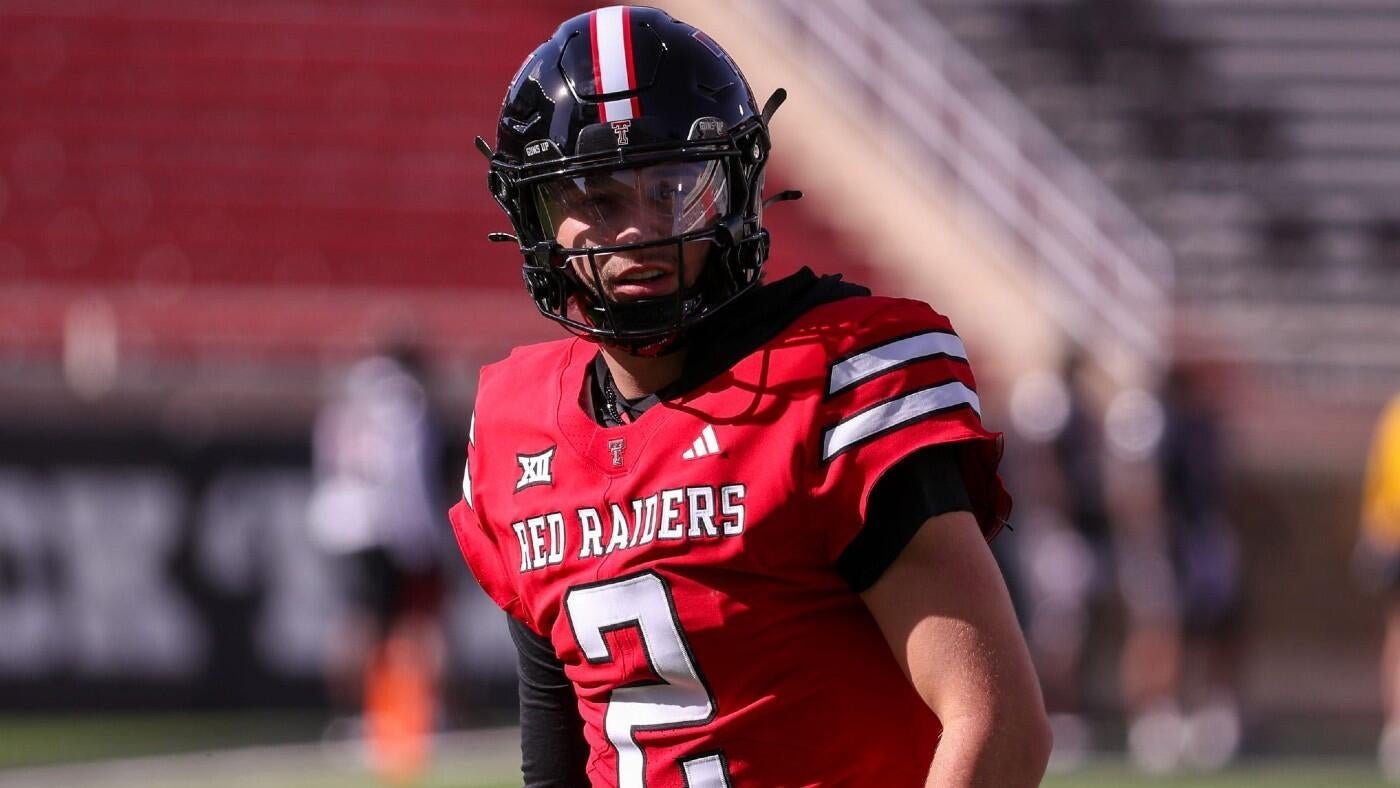
On 16 June 2026, ESPN surveyed front-office and coaching sources around the NFL about the offseason's most consequential moves. The answers clustered around the league's two mega-deals, a surprise Day 2 draft pick, and a coordinator hire quietly reshaping a contender's defence.
The pattern matters less for the names than for what it reveals about how league insiders are reading the salary-cap environment, the rookie-contract premium, and the narrowing window for a half-dozen teams still positioned to win in 2026. Offseason opinion, in other words, is now an early proxy for the season's true competitive hierarchy.
The mega-deals everyone named
The two contracts that surfaced first in the survey were wide receiver deals, a position the league continues to pay a premium for as passing volume climbs. The Pittsburgh Steelers' extension for DK Metcalf and the Cincinnati Bengals' restructuring of receiver Tee Higgins were the most-cited moves, with sources framing both as necessary commitments to keep the passing game functional for the franchise quarterbacks already on each roster. Where executives diverged was on second contracts and franchise-tagged skill players, where the cap math is hardest to model beyond 2026.
Less discussed but repeatedly named was the Jacksonville Jaguars' reset of defensive end Travon Walker, a deal that sources flagged not for its headline number but for the structure — heavy in guarantees up front, lighter in the back years, a template other clubs are now borrowing to keep young edge-rushers before they price out of the window.
The surprise pick
The draft section of the survey produced the most pointed disagreement. Several executives pointed to the Baltimore Ravens' second-round selection of a safety out of a smaller program as the pick that most altered that team's defensive ceiling, given the contract situations in the back end. Others flagged the Atlanta Falcons' bet on a pass-rusher at No. 14 overall as the most aggressive read of a thin edge class, with one source calling it a "win-now pick in a class built for the future."
The split tracks a familiar front-office divide. Half the league still drafts to the 53-man roster; the other half drafts to the salary cap. Both approaches have a shelf life. The 2026 class will test which one survived the spring's trading activity.
The coordinator hires that quietly moved the needle
Three offensive and defensive coordinator moves drew more mention than any free-agent signing outside the top two. Sources repeatedly cited a defensive coordinator move in the NFC South that, in their reading, transformed a top-12 unit into a potential top-5. A second hire in the AFC, by a team that retained its head coach, was flagged for the schematic flexibility it offers against the heavy 11 personnel groupings that defined 2025.
Coordinator markets rarely move the betting odds the way a franchise quarterback deal does, but they compress faster into a season and tell you more about a coaching staff's confidence in its own roster. The fact that executives named them at all — ahead of several bigger-ticket acquisitions — says something about how thin the league believes the 2026 coaching talent pool has become.
What it means for the season ahead
The consensus view, if one exists in a survey of competitive interests, is that the offseason narrowed the league. The teams that made the moves executives liked best are, almost without exception, clubs that were already in the second tier of Super Bowl contenders. The handful of true outliers — franchises that are clearly rebuilding or clearly stalled — did not feature in the responses, which is itself a piece of information about the league's internal hierarchy.
There is a counter-reading worth keeping in mind. Offseason surveys reward the moves that are easiest to evaluate: the contracts that have been announced, the picks that have been made. They are weaker on the trades that did not happen, the holdouts that resolved quietly, and the depth signings that often decide playoff games in January. A deal that executives admired in June can look very different after Week 4, when the injury report and the cap ledger start telling the real story.
What remains genuinely uncertain is whether the executives surveyed are right that the spring's top moves correlate with autumn wins. The sample size is small, the priors are loud, and the league's competitive balance is engineered to punish certainty. The more useful signal from ESPN's reporting is the one underneath the named names: the front-office class believes roster construction in 2026 is a thinner-margin exercise than it has been in any of the last several springs, and the moves they trust most are the ones that buy clarity — at receiver, in the secondary, and on the coaching staff — before the season starts asking the harder questions.