Sorsby's exit forces Big 12, NCAA, and Texas Tech into a legal triangle that could reshape the supplemental draft
Texas Tech quarterback Brendan Sorsby is headed for the NFL supplemental draft. The legal wreckage behind him — an injunction, a conference lawsuit, and a federal appeal — will linger long after his name is called.
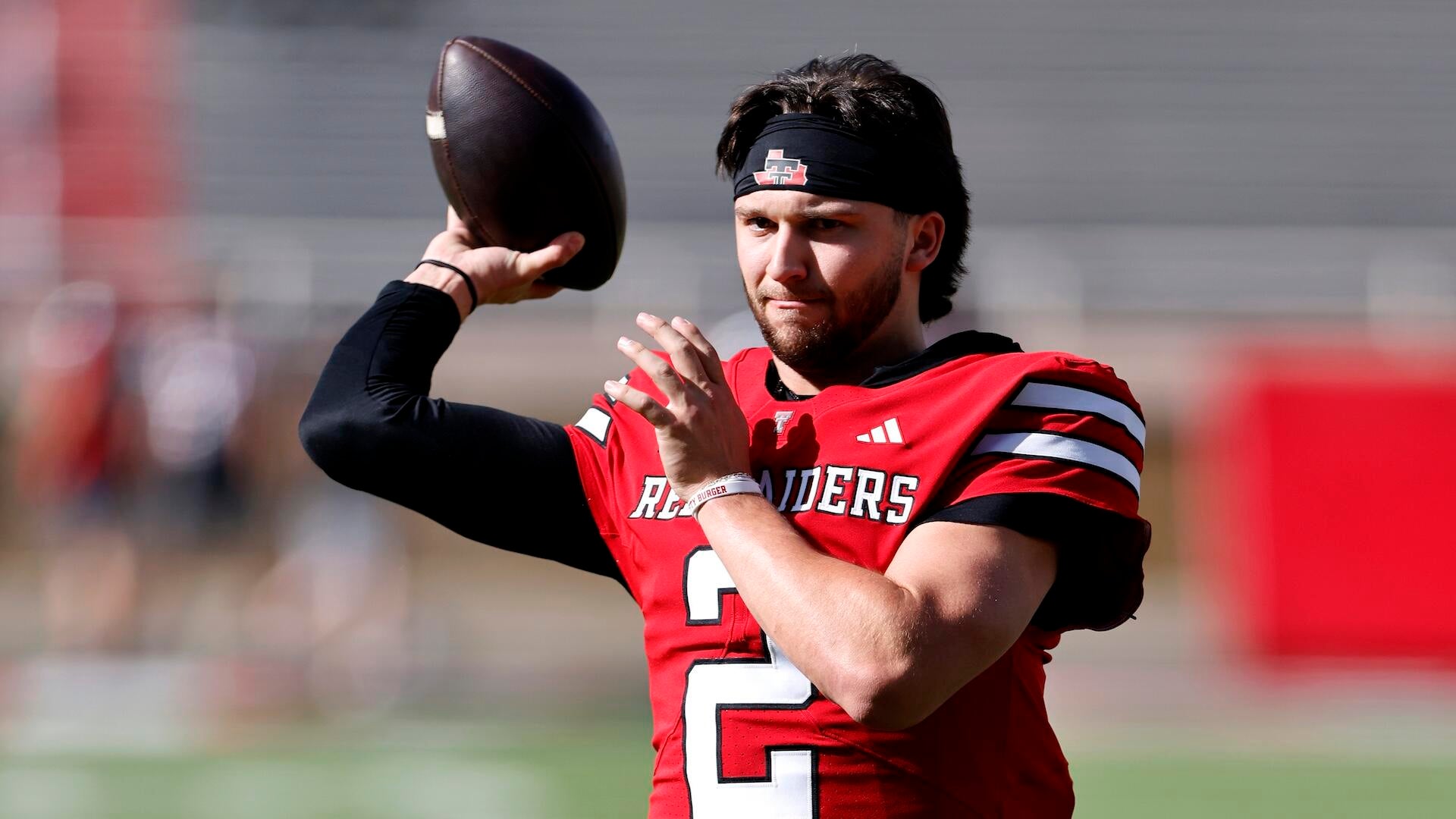
On 16 June 2026, ESPN's Pete Thamel reported that Texas Tech transfer quarterback Brendan Sorsby plans to enter the NFL supplemental draft, closing a chapter that began in March when the Big 12 declared him permanently ineligible for betting on his own team's games. The decision ends a college career in roughly the same place it derailed — in front of a judge — but leaves behind a procedural question that may outlast the player himself: who, exactly, gets to police a conference rule once a federal court has intervened.
The case has now produced three legal fronts in three months, and a fourth is implicit in the supplemental filing. It is the kind of low-profile, mid-June administrative dispute that tends to define how a sport is actually governed — not the headline-grabbing Supreme Court fights, but the slow accretion of precedent in federal district court.
A conference rule, a wager, and an injunction
The chain of events is by now familiar to those who follow college football's integrity beat. Sorsby, a transfer quarterback at Texas Tech, was found to have wagered on Red Raiders games, a violation of both NCAA rules and the Big 12's own sports-betting bylaws. The conference moved to punish the violation, applying what was described in court filings as a permanent-ineligibility sanction. In response, Sorsby sought and obtained a temporary injunction from a federal judge allowing him to return to the field for the 2026 season — a win that, on the surface, looked like a reversal of the conference's enforcement authority.
CBS Sports reported on 15 June that the Big 12 has now responded by pursuing legal action against Texas Tech and the Texas Attorney General, arguing for clarity on the conference's authority to enforce its bylaws. The framing matters: the conference is not just trying to punish one player for one bet. It is trying to preserve the enforceability of its rule book in a jurisdiction whose top law-enforcement officer appears willing to push back.
The NCAA's appeal — and the clock
The NCAA is not a bystander. On the same day the Big 12 filed its suit, the association asked a federal appeals court for an expedited ruling, arguing that the district-court judge who granted the injunction overstepped. ESPN reported the NCAA's position on 15 June: the temporary order effectively pre-empted the conference's own disciplinary process before that process had been allowed to conclude.
The timing pressure is real. The supplemental draft is not a procedural curiosity; it has its own window, its own team-by-team vote, and its own market for the player. The NCAA's request for an expedited ruling suggests the association believes the legal cloud will affect not just Sorsby's status but the integrity of the supplemental process itself. Whether the appeals court agrees to move that quickly is a separate question — federal appellate calendars do not usually bend to mid-June football deadlines — but the NCAA has put the question in writing.
A structural read
Strip out the personalities and the betting, and what remains is a turf dispute between two layers of governance that have spent the last decade learning to coexist uneasily: the NCAA as national rule-setter, and the autonomous conferences as rule-enforcers. The Sorsby injunction pulls at a seam in that arrangement. If a federal court can temporarily restore a player's eligibility before a conference's own process has run, the deterrent value of conference rules erodes — not because the rules change, but because the timeline in which they can be applied changes.
There is a counter-reading worth taking seriously. The injunction may be defended on the ground that permanent ineligibility for a self-reported violation, imposed by the body that runs the sport the player bets on, raises due-process questions that deserve a federal airing. The Big 12, like any self-regulating league, sits in an uncomfortable spot when it is both prosecutor and judge of its own rules. The Texas Attorney General's involvement sharpens that point: it is one thing for a conference to police its own athletes; it is another when a state-level official publicly backs a player against the conference.
Both readings can be true. The structural story is that the supplemental-draft decision will not resolve them. It will, however, force the appeals court to decide whether to weigh in before the 2026 college football season opens — and that is the calendar question the NCAA is asking the court to take seriously.
What it means going into the season
For Texas Tech, the practical exposure is layered. The school now sits as a named defendant in a conference lawsuit, with a state Attorney General who, by joining the dispute, has effectively made the case a proxy for a broader question about state oversight of college athletics. Even if the Big 12 suit is settled, the record will exist. For the Big 12, the institutional cost is the precedent itself: if the injunction stands, future eligibility cases will arrive in federal court on day one rather than at the end of the disciplinary process. For the NCAA, the appeal is a defensive move to keep the federal judiciary from becoming the default venue for conference-discipline disputes.
For Sorsby personally, the supplemental draft offers a controlled exit. A team-by-team vote will determine whether any franchise is willing to absorb both the cost of a draft pick and the off-field exposure of a player whose college career ended in a courtroom. The legal fight does not follow him there. The precedent does.
What we verified, and what we could not
The filing dates, the reported parties, and the substance of the Big 12's suit and the NCAA's appellate request are drawn from the ESPN and CBS Sports reports cited below. We could not independently verify the specific amount Sorsby wagered, the precise text of the district-court injunction, or the identities of the judges involved — the source items do not name them. We also could not confirm whether the Texas Attorney General's office has filed a responsive pleading, or whether the Big 12's suit names additional defendants beyond Texas Tech. The record on those points is thin, and the case is moving faster than the public docket.
Desk note: Monexus framed the Sorsby case as a governance and procedural dispute, not a morality play about sports betting. The wire coverage to date has emphasised the player; this piece emphasises the institutions, because the institutions are what the appellate record will actually be about.