Sorsby and the supplemental draft: what the tape says, and why the gamble overhang won't go away
The Cincinnati quarterback has first-round tools and a gambling cloud hanging over him. The supplemental draft forces NFL teams to price the off-field risk in real time.
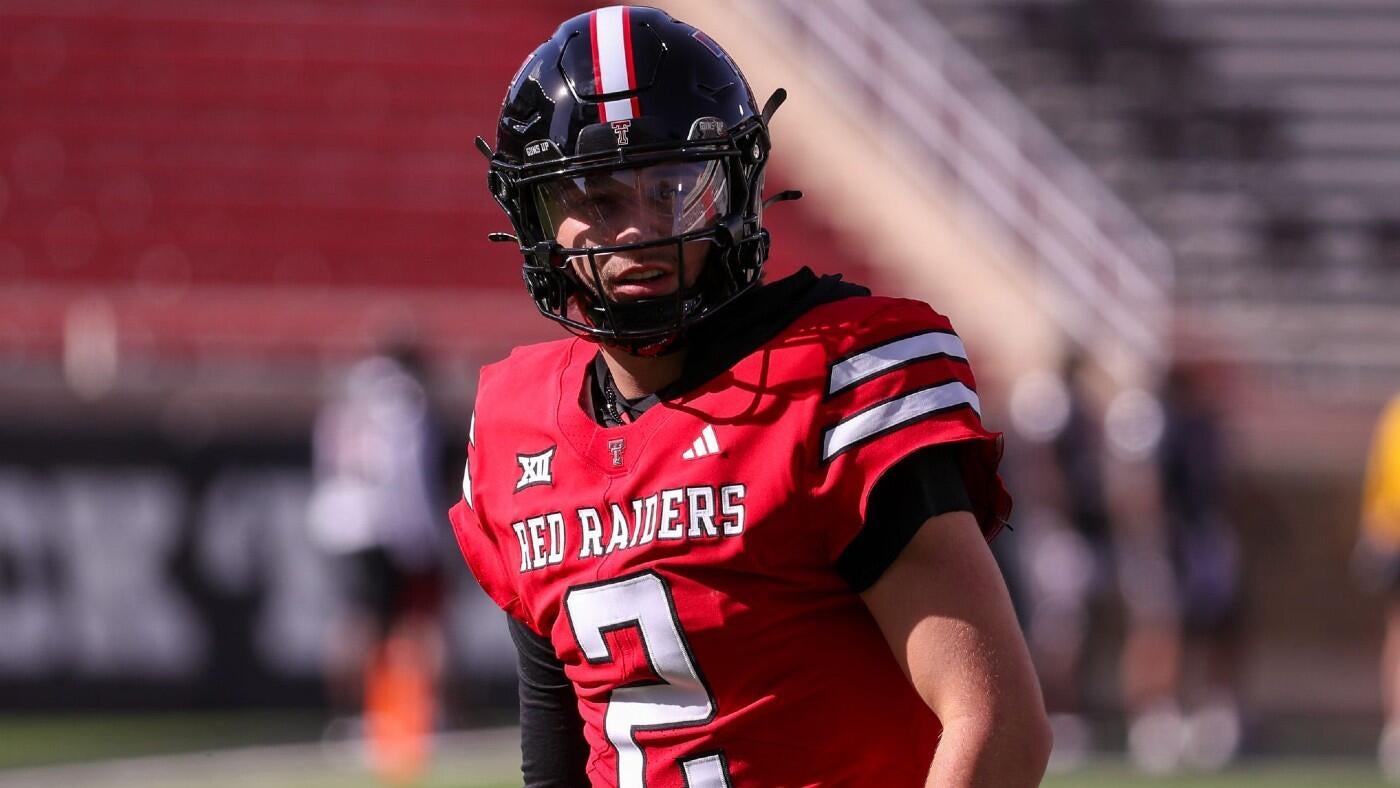
On 16 June 2026, the most interesting name in American football is not at a minicamp, an OTA, or a holdout negotiation. He is at the centre of a procedural question the league has not had to think hard about in years: what to do with Brendan Sorsby, a quarterback whose tape looks like a first-round prospect and whose pre-draft file looks like a compliance headache.
ESPN reported on 16 June 2026 that Sorsby is weighing entry into the NFL's supplemental draft, a window reserved for players whose circumstances have materially changed after the regular draft has already passed. The mechanism is narrow by design: a team that wins a player's rights in the supplemental bidding forfeits the corresponding pick in the next year's regular draft, a price tag that has historically kept the process quiet. Sorsby's combination of traits and controversy has put the question back on every personnel department's whiteboard.
The case for the tape
Start with the player. The production profile CBS Sports laid out on 15 June 2026 is unambiguous: Sorsby has the arm, the movement skills, and the downfield touch that NFL offensive coordinators want in a 2026 scheme. The CBS framing was blunt — "the tape says first round" — and reflected an evaluation in which Sorsby grades out as a Day-1 or Day-2 talent at the position the league pays most dearly for.
That assessment is the entry point. In a market where teams routinely trade three first-round picks to move up a handful of slots for a quarterback they have not seen take an NFL snap, the talent is not the friction. The friction is everything that travels with the jersey.
The gambling overhang
CBS Sports flagged a separate thread in the same 15 June report: an unresolved gambling matter that turns Sorsby from a clean evaluation into a vetting exercise. The league's gambling policy is no longer the grey area it was five years ago. Since the 2022 collective-bargaining framework hardened penalties for players who wager on NFL games, front offices have a written rulebook for what constitutes a violation, what the disciplinary matrix looks like, and what the public-relations exposure is likely to be. A team drafting a quarterback with an open gambling file is not just betting on his arm; it is underwriting the league's enforcement schedule.
That distinction matters because the supplemental draft's whole point is to handle cases that do not fit cleanly into the April calendar. The player is, by definition, a special case. The question for a general manager is whether the specialness is athletic or administrative.
How the supplemental draft actually works
ESPN's 16 June explainer walked through the procedure, and it is worth restating because the price mechanism is the story. The league posts the list of declared players. Teams submit blind bids, in rounds, tied to next year's draft capital. The team with the highest bid in a given round wins the player and surrenders the equivalent pick the following April. There is no in-person combine, no pro day, no on-field work for the picking team — the bid is made on whatever film, character work, and medical information the league has compiled.
That structure punishes uncertainty. A team that bids a third-round equivalent on a player with a clean file is paying the cost of being wrong about the evaluation. A team that bids a third-round equivalent on a player with an open gambling file is paying that same cost and then layering on the cost of being wrong about the investigation. The economics favour the player whose two questions collapse into one.
The counter-case — and the wrinkle it creates
The contrarian read is that the gambling matter is manageable. Sorsby's on-field work, on this telling, is good enough that a team with a stable quarterback room and a head coach with personnel authority can absorb a short NFL-discipline suspension and trade up into a development window. In a league where backup quarterbacks are now paid like starters, the marginal cost of carrying a suspended prospect for four to six games is not prohibitive.
That is a defensible position, but it underweights one thing: the supplemental draft is a sealed-bid market, and sealed-bid markets punish information asymmetry in both directions. The teams that have done the deepest vetting on Sorsby's file have a private read on how the league's disciplinary process is likely to resolve; the teams that have not done that work are bidding against a number they cannot see. The result is exactly the kind of bid spread that produces either a steal or an overpay, with very little in between.
The structural pattern here is familiar: a young athlete whose value is being repriced in real time as new information lands, with the institutional buyers (NFL teams) and the institutional regulator (the league office) holding most of the cards and the player holding the leverage of being a quarterback. None of this is novel to Sorsby. What is novel is the venue.
Stakes and the next 90 days
If Sorsby declares and is selected, the winning team will surrender a 2027 pick and inherit a quarterback who, in a best case, is the 2027 starter by midseason and, in a worst case, is suspended into the second year of his rookie deal. Either outcome gets decided in the league's investigative process, which has its own clock and its own public-relations discipline.
The other outcome is that Sorsby withdraws, returns to Cincinnati for the 2026 college season, and re-enters the regular 2027 draft as a senior. That path converts the gambling question from a pre-draft variable into a pre-free-agency variable, and pushes the resolution into a more familiar window.
What the sources do not yet specify is which way Sorsby is leaning. ESPN reported the availability of the supplemental route on 16 June; CBS Sports reported the tape and the cloud on 15 June. The decision, when it lands, will be the first hard data point on how NFL teams are pricing athletic talent against off-field exposure in 2026 — a question that will outlive this particular case.
Desk note: Monexus is treating the Sorsby supplemental-draft question as a market-mechanism story, not a morality story. The gambling matter is reported as a fact about his pre-draft file, with the same weight the league's personnel departments will give it.