Sorsby's exit gives the NCAA — and Texas Tech — the offramp nobody wanted to be the first to build
Texas Tech quarterback Brendan Sorsby is entering the NFL supplemental draft after a week that exposed how thin the line has become between college athletics and the betting markets that now fund them.
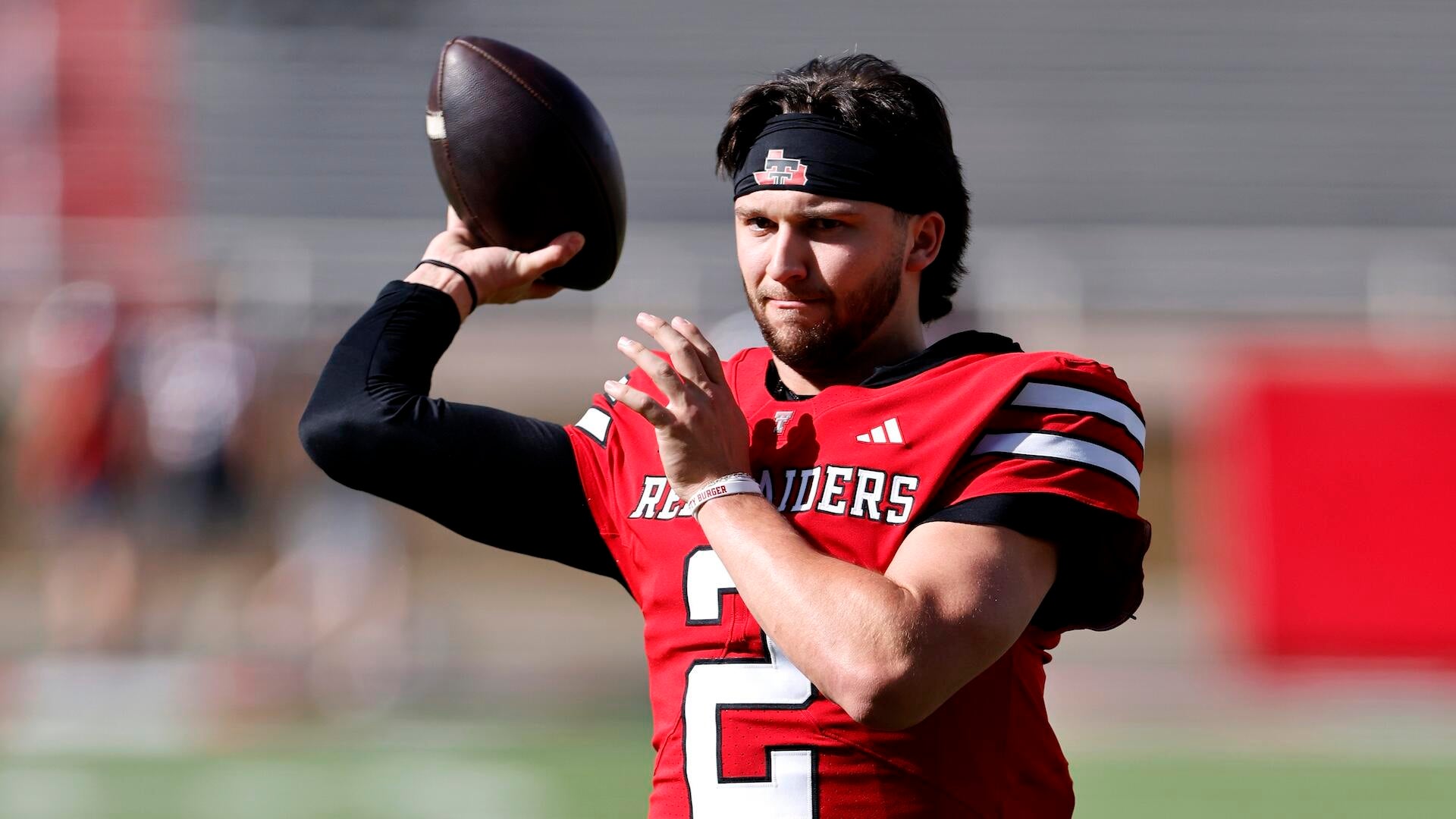
The offseason argument that the NCAA and Texas Tech could not win their way out of ended on Monday 16 June 2026, when quarterback Brendan Sorsby, by multiple reports, opted for the NFL supplemental draft rather than wage the eligibility fight that his own temporary injunction had only postponed. ESPN's Pete Thamel reported the decision shortly after 02:00 UTC; CBS Sports confirmed the supplemental filing within the hour. Sorsby's exit turns a procedural mess into a personnel one, and gives every party the cleanest ending available to them — which is not the same as the cleanest ending the sport could have designed.
The story is not really about Sorsby. It is about how quickly a college athletics system now structured around legalised sports betting produces a case it does not have a vocabulary for, and how that vocabulary gets improvised in real time by lawyers, conference commissioners, and the league office that has to decide what the player is worth when he gets there.
What actually happened
Sorsby, a transfer quarterback at Texas Tech and a Big 12 starter, was found to have placed wagers on professional and college sports in violation of NCAA rules, drawing a multi-year betting suspension that, depending on which account one reads, ran longer than his remaining eligibility window. He obtained a temporary injunction allowing him to return to college competition while his case proceeded. The NCAA asked an appeals court on 15 June 2026, local time, for an expedited ruling on whether the lower court had overstepped, per ESPN reporting carried at 20:50 UTC the previous day. Within hours of that filing, Sorsby told Texas Tech he intended to enter the NFL supplemental draft, according to the reports cited above.
The mechanics matter here. A supplemental draft entry is not a transfer; it is a release. Once a player declares supplemental, his college career is effectively over and the NFL becomes the only remaining gatekeeper for whether he plays in 2026.
Why the league might not suspend him at all
The most uncomfortable question raised by the supplemental entry is whether Sorsby will face an NFL gambling suspension at all. CBS Sports noted on 16 June that the closest recent precedent — the Kayshon Boutte case out of LSU, in which the receiver was reinstated after serving an NCAA penalty — suggests the league office has been willing, in narrow circumstances, to treat a completed college sanction as sufficient. If the NFL applies the same logic to a player whose violation was betting-related rather than performance-enhancing, the practical effect would be that Sorsby is available to a team by midseason with no professional disciplinary footprint.
That outcome would be the cleanest possible ending for Sorsby personally. It would also be the most uncomfortable one for a league that, since 2023, has marketed itself as the strictest major sport on gambling integrity. The two positions — punitive to athletes caught in the college system, lenient to those same athletes once they reach the league — are reconcilable only by treating the NCAA as the responsible party and the NFL as a downstream verifier. That is roughly the league's preferred framing. It is also the framing that lets the most visible product of the system escape it.
The structural problem underneath the case
The cleaner way to read the Sorsby episode is not as a scandal but as a stress test. College athletics now exists inside a sports-betting economy in which more than $10 billion in legal wagers are placed annually on its games, and in which athletes are prohibited from having any financial relationship with the activity that monetises their labour. The NCAA's rules on betting were written for an era when wagering was largely offshore. They are enforced against players who grew up placing bets on their phones. The mismatch is structural, not moral — though the case files tend to flatten the two.
Texas Tech, for its part, is the institution caught in the middle of a fight it never chose. The university did not write the betting rules, did not write the eligibility rules, and did not pick the transfer portal that put Sorsby in a Red Raiders uniform. It did, however, choose to defend a player who had already admitted to bets that included college sports — a posture that drew pointed criticism from rival fanbases and at least some corners of the conference office. The supplemental entry relieves the school of having to defend that posture through the autumn. CBS Sports framed the outcome on 16 June as "the cleanest possible ending" for Texas Tech, the NCAA and the sport. It is worth noting, however, that clean and good are not the same word.
What remains contested
Two facts about the Sorsby case are still in motion as of the publication of this article. First, the appellate ruling the NCAA requested has not yet been issued; if the appeals court were to vacate the temporary injunction, the case law around college betting suspensions would shift, but it would do so over the top of a player who is no longer in the college system. Second, the league's disciplinary posture toward Sorsby is not on the public record. Reports that the Kayshon Boutte precedent may apply are read-across arguments, not announcements. Any team that selects Sorsby in the supplemental window is doing so on counsel's view of the league's likely position, not on its stated one.
The remaining uncertainty is the one that matters most for the sport. The college system will continue to produce betting violations because the betting market is now a structural input to the sport's revenue model. Whether each case is resolved by a quiet supplemental exit, by a court fight, or by an outright ban is a function of who is involved, which conference they play in, and which way the wind is blowing in the appellate courts that day. That is not a system. It is a series of reactions.