Trump's Iran Deal: Reconstruction Money, 'Nuclear Dust,' and the Problem of Trusting the Deal
A memorandum, not a treaty; a ceasefire, not a settlement. As JD Vance sells the Trump-Iran deal to Israeli critics, the questions of nuclear dismantlement, Strait of Hormuz transit fees, and American security guarantees remain unresolved.
On 18 June 2026, JD Vance walked to a podium in Washington and delivered what amounted to a sales pitch for a deal that, a week earlier, did not formally exist on paper. The US and Iran had announced a ceasefire after two months of talks and more than three months of war, but no binding treaty had been signed, and the central question of nuclear dismantlement remained undefined. Vance's argument to critics in Israel was blunt: the United States sends Israel billions in defence aid, and Donald Trump is the only ally left in the world willing to keep doing so. The pitch landed somewhere between reassurance and threat.
The harder question is what, exactly, the Trump administration is selling. A deal in name, a memorandum of understanding in substance, and a problem of trust at the centre. Iran has announced plans to introduce maritime transit fees for the Strait of Hormuz, a move that would convert a chokepoint back into a revenue stream while sanctions on its oil exports are nominally relaxed. The Supreme Leader, Mojtaba Khamenei, confirmed he authorised the MoU after initially holding a different position, signalling an internal Iranian debate the deal's defenders in Washington have shown little interest in describing.
The leverage that wasn't
Vance's central claim was that the United States holds leverage to dictate the next round of negotiations, and that Iran received no new benefit from the lifting of oil sanctions. The New York Times reported on 15 June that this characterisation was vague and misleading, because a permit to sell oil again, even temporarily, is itself the benefit. Brett Erickson's quoted analysis, circulated widely on the open-source intelligence channels on 18 June, made the same point from the other side of the ledger: permitting Iran to resume oil sales is more consequential than any narrow technical concession on enrichment or stockpile accounting. The Middle East Eye headline that day captured the Washington mood in four words: "We have lost."
The domestic calendar explains part of the pressure. As the Sprinter account noted, the administration is pushing for a settlement not from diplomatic strength but because congressional elections sit less than six months away, and a live war with Iran is not a comfortable backdrop for campaigning. A memorandum buys time. It does not buy denuclearisation.
What the MoU actually says
Press TV's own framing, on 18 June, conceded that the stated Trump administration objectives on Iran's nuclear programme went unfulfilled under the terms signed. The piece walked through what Trump sought going into the latest US-Israeli aggression on Iran, then laid out what the MoU contained. The gap between the two lists is the document's most important feature, and its defenders are not eager to enumerate it.
In Israel, the political reaction has been volcanic. Prime Minister Netanyahu's coalition continues to trail in opinion polls, and elections are expected within months, which makes the US-Iran deal a domestic liability rather than a strategic gift. Middle East Eye reported on 18 June that the pact could carry significant political consequences for the prime minister, regardless of how his security establishment eventually judges it. On American television, Jimmy Kimmel listed the inconvenient inventory: an ayatollah killed, replaced by a younger and, in his telling, more radical successor. Tucker Carlson, in a 17 June segment with Piers Morgan, argued the opposite: that Trump had finally "put Bibi in his place" and that the neoconservative commentariat was mourning a peace it never wanted.
The Strait of Hormuz question
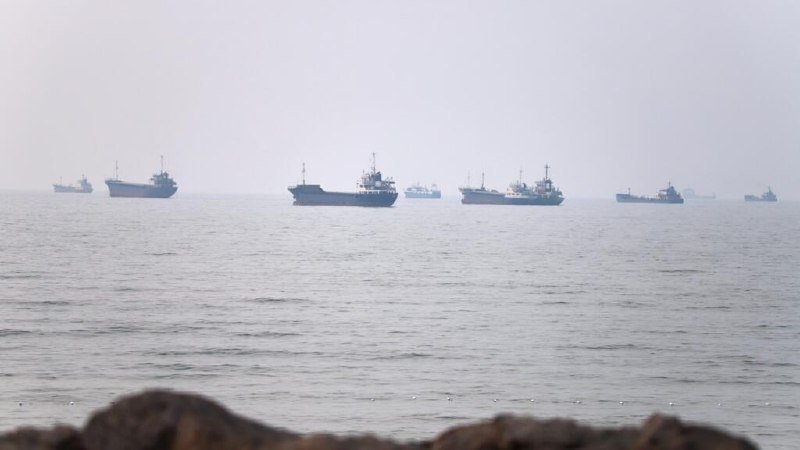
Iran's announced maritime transit fee for the Strait of Hormuz is the clause to watch. Roughly a fifth of the world's seaborne oil passes through the strait; a sovereign tariff on that traffic, however the rate is eventually set, recasts Iran as a toll collector rather than a sanctioned pariah. The Foundation for Defence of Democracies and the broader pro-sanctions lobby spent the spring arguing that the blockade and economic warfare campaign would force Iran back to the table on American terms. The blockade failed, the warfare campaign failed, and the table Iran came back to was its own.
What survives the first inspection cycle
Trump told Israeli Channel 14 on 18 June that the United States would defend Israel if Israel struck Iran independently. "Absolutely," he said. That guarantee sits uneasily beside a deal whose principal American critic is the Israeli government. A security commitment of that scope is not a footnote; it is the architecture of any future arrangement. Whether it survives contact with the next round of inspections, the next Iranian test of the strait regime, or the next Israeli election cycle, will determine whether this MoU is the rough draft of a settlement or a pause between wars.
A deal is only a deal when it is in writing, signed, and survives its first inspection cycle. Right now, the writing is thin, the signature is a memorandum, and the first inspection has not yet been scheduled.
Follow the event.
These dated source records provide context. They do not retrospectively verify this archive article.
Separate what the nuclear watchdog reported from what it could not determine after the June 2025 strikes.