World Cup countdown: the marketing engine the pitch is not supposed to admit
As the tournament clock ticks into its final stretch, the world's biggest single sporting event is being sold less as a competition than as a global rights package — and the squad sheets are now marketing collateral.
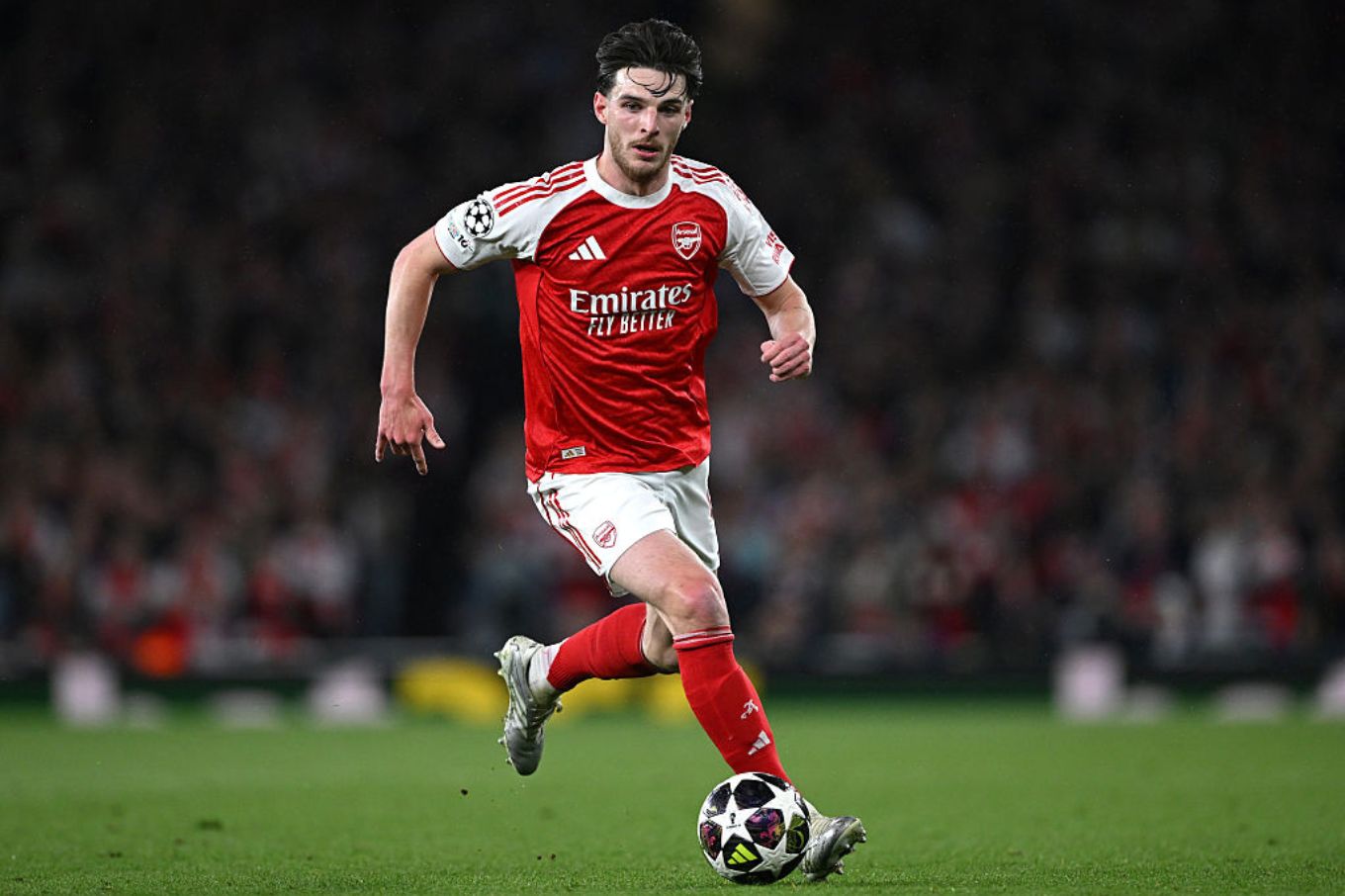
On 16 June 2026, with a year to go until the opening fixture in North America, BBC Sport's daily "Who am I?" series — its eleventh instalment in the 2026 countdown — is doing the unglamorous work of converting a 48-team field into a recognisable cast of characters. The feature is small in itself. The economics underneath it are not.
The tournament has been a rights-and-revenue story for years; in the final twelve months, the story is the public face. Squad selection, injury reports and club-versus-country feuds are now the marketing collateral for what is, in dollar terms, the single most valuable broadcast property on the calendar. The pitch is supposed to be a competitive surface. The business model is, increasingly, the squad sheet.
The rights map has already been drawn
FIFA locked in the bulk of its broadcast and sponsorship package for the 2026 tournament well before the group-stage draw. The 2026 edition expands to 48 teams — 16 more than Qatar 2022 — and with it, the inventory of matches, group-stage dead rubbers, and prime-time knockout fixtures that rights-holders buy in bulk. In Europe, where the major broadcasters' envelopes were set under multi-year frameworks, the value-per-match arithmetic has reset upward simply because the fixture list is longer.
BBC Sport's daily countdown is the public-facing symptom: in a 32-team tournament, a national broadcaster could ration its editorial budget across the marquee names and the host nation. In a 48-team field, even a public-service broadcaster needs a daily hook to surface the wider squad list — and to justify the rights fee that funded it.
Sponsorship inventory has scaled with the fixture list
The commercial side has followed the same logic. FIFA's sponsorship tier structure, unchanged in name since 2022, carries more slots per category in a 48-team edition. Where Qatar offered four regional partners in some categories, 2026's expanded tournament footprint — three host nations, eleven host cities, a longer match calendar — has produced more category slots, more regional partners, and a higher headline rights-and-sponsorship aggregate.
The structural point is that the marketing surface is not just the matches. It is the squad announcement, the manager's press conference, the kit launch, the training-ground open day, the broadcast "player cam" package. BBC's "Who am I?" feature sits inside that funnel: a free, daily, lightly gamified way to keep the squad list — and therefore the player-and-shirt inventory that sponsors pay for — circulating in public attention twelve months before kickoff.
What the public-service frame leaves out
There is a counter-narrative worth holding onto. The sports press covers FIFA's commercial machinery as a backdrop; it is rarely the lead. The lead is always the football — the player's form, the manager's selection dilemma, the fixture's tactical shape. That editorial choice is defensible: readers and viewers are buying a competition, not a corporate filing.
But the choice is also convenient. The hosts' broadcast partner (Fox in the United States), the European public-service rightsholders (BBC in the UK, alongside the usual commercial partners on the continent), and FIFA's own broadcast operations all benefit from coverage that drives tune-in and click-through without ever spelling out the unit economics. The closer we get to kickoff, the more a player profile doubles as an ad unit — and the less that fact is named on the page.
The stakes for the next twelve months
If the Qatar 2022 tournament set the template for compressed, high-density rights exploitation in a 32-team format, 2026's 48-team edition is the test of whether the model survives expansion. The risks are well-rehearsed: dilution of the group stage, fixture congestion in the European club calendar, and broadcast windows that stretch into the small hours for prime European audiences. The rewards, for FIFA and its broadcast partners, are the simple arithmetic of more matches × more inventory × more category slots.
For the reader and viewer, the next twelve months will look like football: a steady drip of squad news, injury updates, friendly results, and BBC's daily "Who am I?" instalments. The fact that all of it is, simultaneously, the marketing engine for the world's most valuable single-sport broadcast property is the subtext the sports desk has not yet been asked to write about at length. It is the story the calendar is already telling.
Desk note: Monexus framed the countdown feature as a lens onto the rights-and-sponsorship architecture of a 48-team World Cup, rather than as a preview of any individual player. The wire's editorial choice — player-first — is a defensible one; the structural point is that the two framings are no longer separable.