England and Croatia open Group L with a heavyweight European duel
Wednesday's Group L opener pairs two European sides with recent tournament pedigree against each other, and the betting markets are already pricing the match as tight.
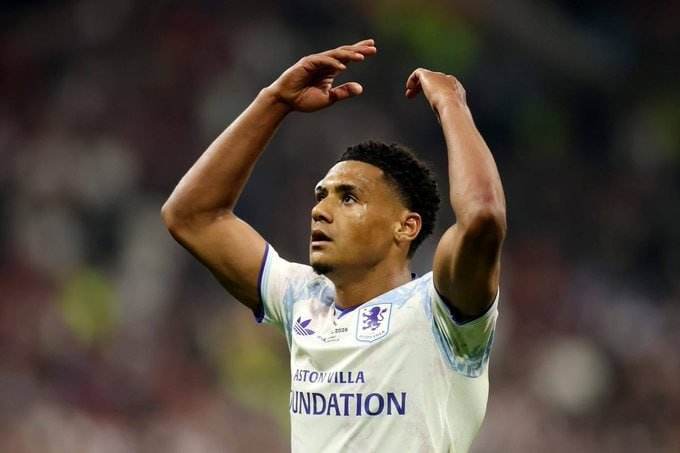
The 2026 World Cup group stage reaches its Wednesday slate on 17 June 2026 with a fixture that, on paper, belongs deeper in the bracket: England against Croatia, in Group L, with both sides arriving in North America carrying recent major-tournament scars and a shared memory of the 2018 semi-final in Moscow. SportsLine's projection model has England installed as a narrow favourite, but the margin is thin enough that the published odds make Croatia a live underdog rather than a makeweight.
The headline framing across the U.S. sports media is straightforward — treat England as the team to beat and Croatia as the experienced side best placed to test them. That framing holds up if you weight recent qualifying form and squad market value. It frays quickly once you remember that Croatia reached the 2018 final, finished third in 2022, and returns a core that has played in two of the last three World Cup semi-finals. The match is less a mismatch than a referendum on whether England's deeper attacking pool is enough to offset Croatia's midfield control.
What the books say going in
Per the Wednesday morning betting card, England are a slight moneyline favourite, with the draw priced tighter than usual for a Group L opener between two sides expected to advance. The total has crept above 2.5 in early movement, a signal that bettors expect both attacks to find the net rather than a cagey, single-goal affair. England captain Harry Kane, pictured in pre-tournament training imagery distributed by Imagn, remains the headline name in the goalscorer markets and the most-cited attacking reference point in SportsLine's best-bet card.
The SportsLine team's recommended World Cup parlay for Wednesday leans on Portugal and England legs — that is, two separate fixtures bundled into a single wager — which is itself a tell. Bookmakers do not bundle underdogs into advertised parlays because the payouts balloon and the hold erodes. Putting England into the headline card is a quiet vote of confidence, but a hedged one: the price is short enough to be defensible and long enough to be useful.
Why Croatia are not the team to write off
The counter-narrative sits with Zlatko Dalić's squad. Croatia's identity under Dalić has been midfield control, set-piece discipline and the unusual capacity to absorb pressure in a match and then win it in the final twenty minutes. Luka Modrić is older; the minutes are managed more carefully now. But the supporting cast — Marcelo Brozović, Mateo Kovačić, and a forward line that has produced in qualifying — gives Croatia a spine that does not collapse when the opposition dictates territory. England's fullbacks, attacking as they do under Gareth Southgate's successors, leave space for exactly the kind of central overload Croatia prefer.
The other structural read: this is a tournament being played on North American turf, with travel demands and venue variety that historically flatter deeper squads. Croatia's tournament road in 2018 and 2022 was built on grinding out group games before turning on in the knockouts. Wednesday's price implies England avoid that trap in the opener; the Croatian case is that they do not need to.
The structural frame: Group L is a corridor, not a minefield
Group L's competitive weight is concentrated almost entirely in this fixture. The remaining Group L opposition is, on paper, a tier below both England and Croatia, which means the table effectively gets settled between these two on matchday one. A win and a draw from the other two fixtures is, in practice, the qualification ticket. Losers of Wednesday's match are not eliminated — but they are immediately playing from behind on goal difference, with the second matchdays compressing the schedule.
That corridor dynamic changes how both managers approach the game. A cagey draw suits the favourite less than the underdog: Croatia can absorb a point and still control their own qualification path with a win in matchday two. England, by contrast, want three points and the goal-difference cushion that lets them rotate in the dead-rubber third fixture. The tactical incentives, in other words, push England toward the front foot and Croatia toward patience — which is precisely the game Croatia have spent a decade learning to win.
Stakes and what to watch
If England win comfortably, the narrative out of Group L becomes one of squad depth and attacking variety — Bukayo Saka, Jude Bellingham and Kane combining against a side that, for all its tournament pedigree, is in a transition phase. If Croatia win or draw, the read shifts toward a familiar story: a technically superior midfield bending a stronger-on-paper opponent to its preferred tempo, and a Group L bracket that suddenly looks far more open than the books priced it.
The narrower question — whether SportsLine's published favourite reflects the on-pitch reality — turns on three watchable variables: how high England's fullbacks push, how aggressively Croatia commit numbers into the box on the counter, and whether the referee tolerates the kind of midfield contact that has historically decided matches between these two federations. None of those are knowable in advance. That is, in part, why the books have left the margin thin.
What remains uncertain
The published odds and the SportsLine projection are pre-kickoff snapshots. They do not yet reflect late lineup news, in-tournament injury updates or weather conditions at the venue, all of which can move the price materially in the final hour before kickoff. They also do not capture the specific matchup history between the two goalkeeping units, which has been a quiet but recurring differentiator in recent meetings. Treat the card as a reading of consensus, not a forecast.
— Monexus framed this matchup as a corridor contest inside Group L rather than a standalone upset pick, on the read that the group table effectively gets decided on Wednesday and the tactical incentives push both managers toward opposite ends of the risk spectrum.