Pulisic trains alone again as USMNT weighs calf risk against World Cup timing
Two days of individual work for the USMNT's most important attacker has shifted the question from lineup to load management — and from there to whether Pochettino's staff can read a soft-tissue injury correctly under tournament pressure.
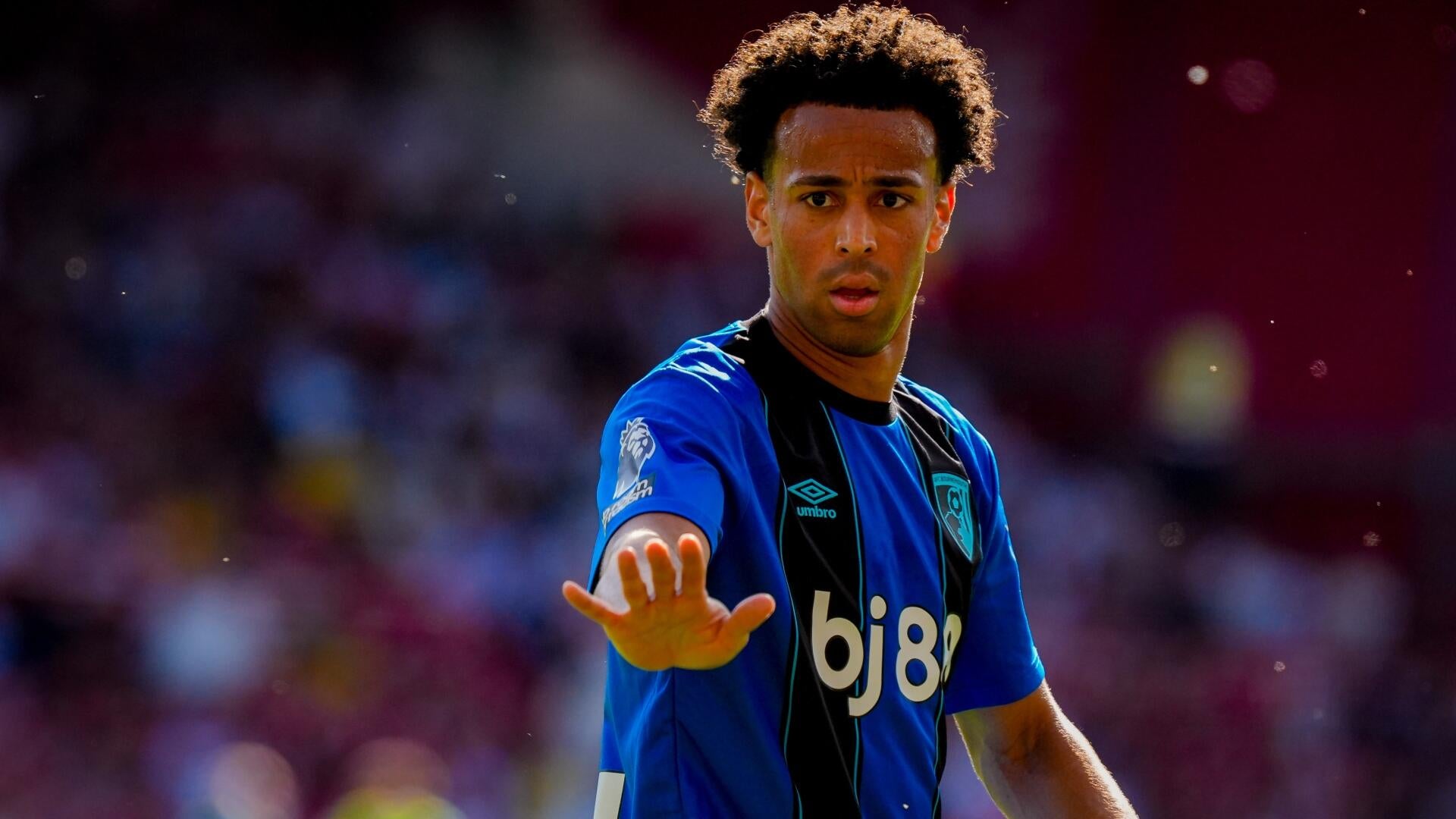
At 21:36 UTC on 16 June 2026, Christian Pulisic stepped away from the United States men's national team for a second consecutive day of individual training, the clearest signal yet that the calf issue which forced him off at halftime of the opening match against Paraguay is being managed, not dismissed. The USMNT faces Australia in its second group game, and the question has shifted from whether Pulisic plays to how much of him the staff are willing to use.
Two days of modified work is, in soft-tissue terms, a long time. The federation's public line is that the issue is minor, but the federation's public line is also the public line. What matters is what the medical staff sees at 22:00 UTC the night before kickoff, and what Mauricio Pochettino is willing to absorb tactically if Pulisic is eighty percent rather than a hundred.
What the first game actually showed
The 2-0 win over Paraguay was, on the underlying numbers, the sort of performance that travels at a World Cup: territorial control, expected-goal margin built from chance creation rather than from set-pieces, and a defensive shape that did not concede a shot of any consequence from open play. ESPN's match analysis framed the outing as the statistical profile of a team capable of a deep run, a reading grounded in shot locations and pressing-recovery counts rather than in vibes. Pulisic scored the second goal before departing, so the on-field product was not the concern that has carried into the Australia build-up.
The concern is the cost of producing that product. Pulisic logged roughly 250 touches before the break, played the highest line of any USMNT attacker, and was the most fouled player on the pitch. That load is the point. Calf strains in a player who has logged a full club season at AC Milan are not random; they are usually the second sentence of a sentence written over the previous nine months.
Why the staff's framing matters more than the doctor's
Pochettino has been characteristically opaque. He has not named the muscle, has not offered a return-to-play window, and has leaned on the word "minor" with the consistency of a manager trying to set a price before the market opens. The club-versus-country dynamic is doing what it always does at tournament time: Milan will want Pulisic fresh for the start of pre-season, the federation will want him available for the knockout rounds, and the player's body will get a vote that neither party controls.
There is a plausible alternative read, which is that this is exactly what a fit national-team staff does. Individual work on day two after a soft-tissue complaint is not evidence of a problem; it is the protocol. A medical group that has decided Pulisic needs a day to settle will not put him into a full session on the second day, regardless of how the player feels. Read that way, the story is process, not crisis. The two readings are not mutually exclusive, and the federation's incentives point in opposite directions depending on which one is right.
The structural problem underneath the lineup card
The USMNT's attacking shape is built around Pulisic as a free-roaming left-sided forward who can receive between the lines and break a press with a first touch. There is no like-for-like replacement on the roster. Gio Reyna operates higher and narrower; Timothy Weah plays the same line but without the receiving range; the alternative is to restructure the front four to absorb Pulisic's absence rather than to substitute for it. Pochettino's options are therefore: start Pulisic and manage minutes in-game, start Pulisic and manage minutes post-game, or change the shape. None of those choices is free.
The deeper issue is concentration of technical risk. The opening-game performance was a team result, but the underlying chance-creation numbers leaned heavily on Pulisic's channel. Australia, a side that defends in a mid-block and counter-attacks through wide runners, is precisely the opponent against which a half-fit Pulisic is most useful and most vulnerable. The trade-off is not whether to play him; it is whether to play him for sixty minutes or ninety, and whether the staff trusts the calf in the seventieth minute of a one-goal game.
Stakes, and what the next 48 hours resolve
If Pulisic starts against Australia, the calf has been cleared at a level the medical staff is comfortable with, and the discussion moves to in-game load management. If he does not, the discussion moves to timeline, and the timeline dictates whether the federation is managing a tournament problem or a tournament absence. The honest answer at 21:36 UTC on 16 June is that the federation has not yet decided, and is under no obligation to tell the public when it does.
What the sources do not specify is the grade of the strain or the imaging result, and the federation has not volunteered either. The reporting on 16 June, both from CBS Sports' training update and from ESPN's analytical read of the Paraguay win, leaves a clean fact pattern: a minor complaint, a cautious build-up, and a coach who will not commit publicly to a plan that depends on a body part he does not control. The rest is a medical judgment, made in a treatment room, that the public will only see in the lineup card.
Desk note: the wire on 16 June read this story as either a fitness worry or as business-as-usual tournament caution. Monexus reads it as the harder case: a national team that needs its best player, a club that needs him fit for the fall, and a soft-tissue complaint that does not care about either schedule.