The Strait of Hormuz, a Friday deadline, and the politics of a "completely open" waterway
President Trump has promised a "completely open" Strait of Hormuz by Friday. The framework on the table is bigger than a chokepoint — and far thinner on detail than the rhetoric suggests.
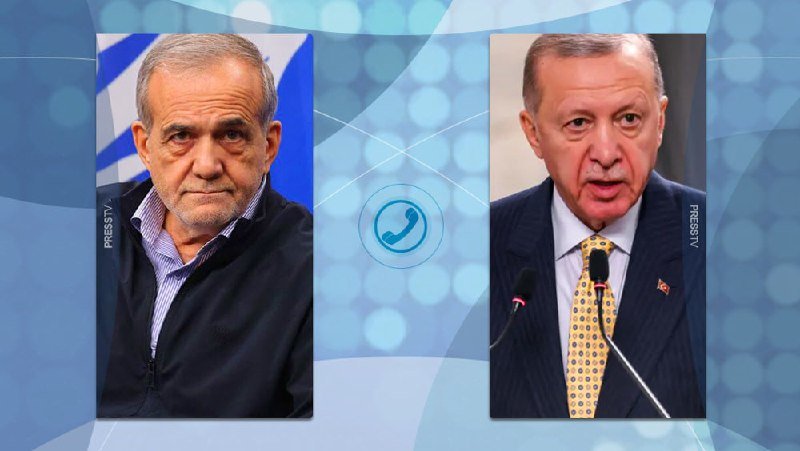
On 17 June 2026, President Donald Trump told reporters that the Strait of Hormuz would be "completely open" by Friday. The deadline sits inside a wider framework that, according to the Unusual Whales wire feed at 02:58 UTC, would end active hostilities between the United States and Iran, reopen the chokepoint, and start a sixty-day clock on broader nuclear and sanctions negotiations. The substance is potentially historic. The detail, so far, is conspicuously thin.
The gap between the announcement and the architecture underneath it is the story. A chokepoint through which a large share of seaborne crude passes does not reopen on a presidential schedule. Insurance underwriters, tanker owners, port authorities, and Iranian naval planners all have a vote. The Friday claim is therefore best read not as an engineering forecast but as a negotiating instrument — a deadline designed to compress the room around the deal, not a measurement of when oil starts flowing normally.
The framework, as described
The deal under discussion, per the 02:58 UTC wire item, runs on three rails. First, an end to active hostilities — the kind of language that papers over whether naval incidents, proxy strikes, and cyber operations also count. Second, the physical and legal reopening of the strait to commercial traffic. Third, a sixty-day window for the harder work: Iran's nuclear programme, the sanctions architecture, and the regional security guarantees that Tehran will want in writing before it consents to anything durable.
The same wire reports, at 14:21 UTC on 16 June, that Trump has said the strait will be "toll free when it reopens permanently." That single sentence carries more weight than it looks. Transit pricing, naval escorts, and the question of who polices the corridor have been central to Iranian leverage for decades. A "toll free" commitment is a concession the mullahs will be reading very carefully, because it implies either a multilateral arrangement that constrains Tehran or a unilateral American offer that does not.
What the timelines actually say
The 16:37 UTC wire item, citing Fortune, is the most sobering note in the cluster. Even if a deal is signed this week, energy flows may not return to normal until next year. That is not a contradiction of Trump's Friday rhetoric; it is a reminder that reopening a strait is the easy part. The hard part is the chain: war-risk premia on hull and cargo, Lloyd's and IG Club underwriters recalculating, refineries rebalancing crude slates, refinanced charter parties, and the slow grind of arbitration on force majeure clauses that are now in force across the industry.
In other words, the Friday line is a political milestone, not a logistical one. Markets that price the strait reopening as a near-term supply event are pricing a different deal than the one on the table.
The structural frame, in plain terms
A chokepoint sitting between an oil exporter under heavy sanctions and a Western naval coalition is not a piece of geography. It is a piece of architecture. Whoever controls the pricing, policing, and insurance regime at Hormuz controls a throttle on the global economy that no sanctions list can fully replicate. Tehran knows this. Washington knows this. The deal currently being sketched is, beneath the headlines, a renegotiation of who turns the throttle and on what terms.
That is why the absence of detail is itself a tell. The cost of a public architecture — who escorts, who insures, who is liable if a tanker is hit, whether the Iranian Revolutionary Guard Corps Navy retains its boarding capacity — is paid by someone. Until that someone is named, the "completely open" line is a target on a wall, not a forecast.
Stakes, contested ground, and what remains genuinely unclear
If the deal holds, the immediate winners are Asian refiners in India, China, South Korea, and Japan whose crude slates have been reshuffled by the closure; the shipowners and insurers who regain a normal book of business; and Tehran, which gets sanctions relief and a face-saving formula. The immediate losers are the actors whose leverage depended on the closure — including segments of Iran's own hardline security establishment, whose revenue and prestige are tied to the strait's weaponisation.
The honest nuancing matters. The source cluster does not specify whether the "end of active hostilities" includes Iranian proxy activity through Hezbollah, the Houthis, or Iraqi militias. It does not specify whether the sixty-day clock survives an Iranian refusal to allow IAEA inspectors back into facilities damaged or buried during the conflict. It does not specify what happens if a single incident — a mine, a drone strike on a tanker, a boarding — occurs during the reopening window. Each of these is a load-bearing question on which the entire structure could shift, and on which, as of 17 June 2026 at 03:58 UTC, the public record is silent.
The Friday deadline is therefore best understood as the start of a very short, very high-stakes negotiation, dressed in the language of a victory lap. The strait will open when the architecture around it is solid enough for underwriters, naval commanders, and the Iranian and American political establishments to accept the risk. None of those actors have been heard from on the record yet. Until they are, "completely open" is a claim about the future dressed as a description of the present.
This publication treats the Trump administration's Friday line as a negotiating deadline rather than a confirmed operational state, and reads the Fortune caveat on energy-flow normalisation as the load-bearing forecast in the cluster.