The Strait of Hormuz Is Still Closed: Why Trump's Friday Promise Is the Wrong Deadline
A framework memo, a presidential Friday deadline, and shipping executives still eyeing the mine threat. The deal is half-paper, half-bluster — and the chokepoint is not yet open.
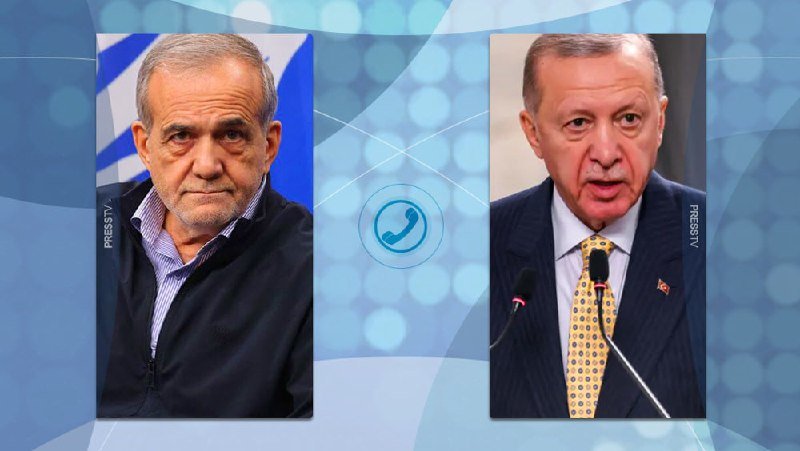
At 02:58 UTC on 17 June 2026, the same framework that the US and Iran reportedly have on paper was being described, in three words, as the structure of an end: end active hostilities, reopen the strait, start a 60-day clock on broader nuclear and sanctions talks. By 03:58 UTC the president had moved the goalposts. The strait, Donald Trump said, would be "completely open" by Friday — though, the same dispatch noted, official details of the plan to reopen it had not been released. By 09:32 UTC, a separate wire was carrying the inconvenient counter-claim: fear of naval mines could keep Gulf shipping disrupted for "several months." By 14:51 UTC, asked whether the deal would actually be signed on Friday, Trump replied: "You never know with deals." The deadline is a moving target. The strait is not yet open. The memo and the moment are not the same thing.
This is the bet the administration is asking the world to take. The framework reportedly being circulated in Washington and Tehran would do three things at once: stop the active shooting, restore traffic through one of the most consequential maritime chokepoints on the planet, and trigger a 60-day countdown on a much harder file — the nuclear question and the sanctions architecture around it. Each of those legs is a serious diplomatic undertaking on its own. Bundled together, with a presidential Friday deadline layered on top, the structure is closer to a campaign-trail calendar than a treaty. It is also, in fairness, the kind of compressed timeline the White House has been able to enforce in other negotiations this year.
The most immediate stress point is not the nuclear file or the sanctions file. It is the water. Roughly a fifth of the world's traded oil moves through the Strait of Hormuz on a normal day; "normal" is the operative word, because the last several weeks have not been normal. The 09:32 UTC dispatch — citing the naval-mine concern — frames the risk in its bluntest form: even with a deal in hand, the lane could stay effectively closed to commercial traffic for several months while mines are cleared and confidence returns to underwriters and crews. Shipping executives do not need a treaty to lift a mine threat; they need assurance that the threat is gone. The political deal can be signed in a hotel ballroom. The de-mining, the convoy protocols, the insurance repricing, the re-routing of LNG cargoes — those take time, regardless of what is announced on a Friday.
The credibility problem cuts both ways. Tehran has an interest in signalling that the strait will reopen, because Iranian oil revenue depends on the same lane; a closed strait punishes the exporter that nominally won the war as much as the exporter that nominally lost it. But the mine concern is not Iranian spin. Gulf state shipping ministries, European maritime bureaus, and the big reinsurance desks in London and Zurich are all in the same position: they need to be told by their own people, on the water, that the threat has been characterised correctly. A presidential assurance, even an on-camera one, is a thin substitute for that.
The structural frame here is older than the present crisis. Chokepoint diplomacy has a recurring shape: a US administration, whether Democratic or Republican, sets a deadline; the deadline becomes a price-discovery mechanism; the deadline slips; the deadline is re-announced. The Strait of Hormuz in 2026 is closer to the 2015 Joint Plan of Action dynamic than to the 2018 maximum-pressure withdrawal. The news this week is that the two sides have a memo at all. The Friday question is whether anyone can tell the difference, in real time, between a memo being signed and a chokepoint being reopened. On the evidence available, the answer is: not yet, and the gap between the two is exactly the window in which insurance premiums spike, freight rates double, and a stray incident in the Gulf ends the whole arrangement.
What remains genuinely uncertain is the order of operations. The framework reportedly requires Iran to do things; the US to do things; the strait to be verified open. Which happens first is the entire dispute. If the strait is verified open before the deal is signed, Iran has conceded the most leverage it had for nothing. If the deal is signed before the strait is verified open, the US has conceded a press conference for a de-mining schedule. The White House's bet appears to be that the deal can be signed on Friday and the strait can be re-narrated as "completely open" the same day. The mine-risk reporting suggests the second half of that is not within the administration's control.
The stakes are easier to see. If the framework holds and the strait reopens, the immediate beneficiaries are oil-import-dependent economies on both sides of the Atlantic and Asia, and the Iranian state, which gains a sanctions-relief countdown. If it slips, the losers are the same importers, plus a credibility cost for the White House's deadline-driven diplomacy that will compound into the next negotiation. The 60-day clock on nuclear and sanctions is the bigger prize. But clocks only matter if the chokepoint opens first.
Wire provenance
This editorial synthesis draws on the following public wire/social posts:
- https://x.com/polymarket/status/2067033303576879104
- https://x.com/unusual_whales/status/2067032464628105216
- https://x.com/polymarket/status/2067033303576879104
Follow the event.
These dated source records provide context. They do not retrospectively verify this archive article.
Separate what the nuclear watchdog reported from what it could not determine after the June 2025 strikes.