Trump's deal-making theatre returns to the Middle East
A draft memorandum of understanding is not a deal, and the White House is signalling it knows it. The harder question is what the ambiguity is for.
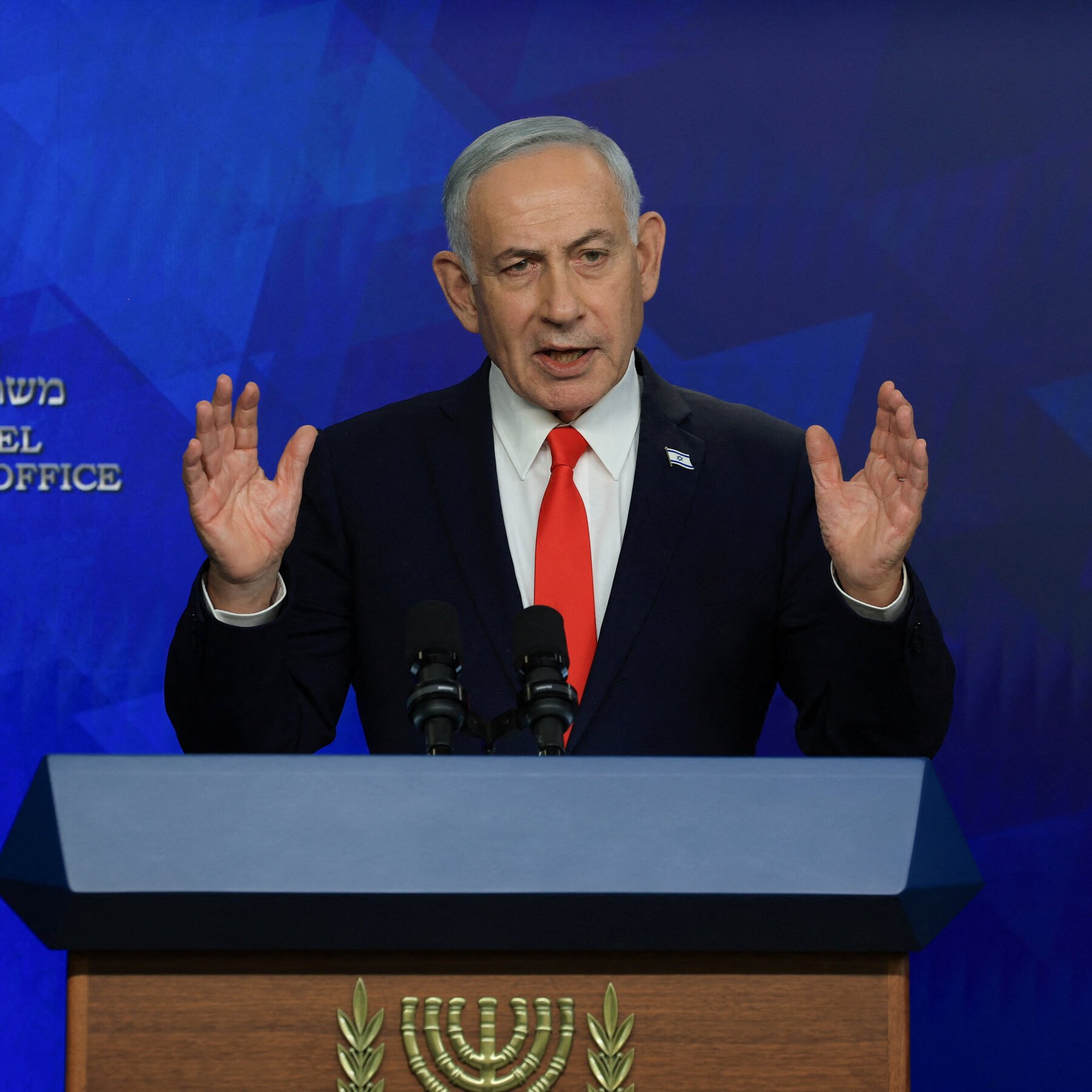
It is the tell that gives the show away. Speaking to reporters on the morning of 17 June 2026, US President Donald Trump described the emerging text with Iran as a "memorandum of understanding" rather than a final accord, and warned that if he is not satisfied, the United States "will go back to bombing." The remark, carried by Israeli commentator Amit Segal on Telegram, lands less as a negotiating position than as a stage direction: the deal is being sold as conditional, reversible, and personal to the man in the Oval Office. That framing matters, because it tells partners and adversaries alike that whatever is signed will carry the half-life of a tweet.
The claim worth interrogating is not whether a deal exists. The more useful question is what kind of instrument this is, who it binds, and what it leaves unresolved. A memorandum of understanding, in the language of international practice, is a non-binding political statement of intent; a binding agreement looks different, and reads different. The White House's choice of vocabulary is therefore not a translation quibble. It is the architecture of the thing.
The MOU as choreography
Segal's reporting at 11:05 UTC, quoting Trump's on-camera remarks, leaves no ambiguity about the leverage the US side wants preserved. "If I'm not satisfied — we'll go back to bombing" is not a deterrent posture calibrated to a specific violation. It is a generalised option, retained by one party, that can be triggered at that party's discretion. In diplomatic terms, that is not a clause; it is a reservation of unilateral action disguised as a sunset.
The pattern is familiar. The Joint Comprehensive Plan of Action — the 2015 Iran nuclear deal — was a binding, multilaterally-negotiated instrument with a defined dispute-resolution architecture and an inspection regime attached. Whatever is being floated now is a text whose binding status is denied in advance by the principal drafter. That is not a failure of diplomacy so much as a different kind of diplomacy: episodic, revocable, and dependent on a single officeholder's mood.
The Soleimani flex, and what it actually signals
Two hours later, at 13:08 UTC, a separate post on the Clash Report Telegram channel carried Trump's broader reflections: "We took out a man named Soleimani. Do you think this would have happened if he were alive? He was an evil genius." The line is being read, in some quarters, as a confession of motive — the operation that killed Quds Force commander Qassem Soleimani in January 2020 framed retrospectively as the precondition for the present moment.
The read is not unreasonable. But it flatters the administration. The more parsimonious interpretation is that the remark is part of the same theatrical apparatus as the MOU language: a reminder, delivered publicly, of the cost of non-compliance. The audience is dual — Tehran, which is meant to weigh the precedent; and a domestic one, for whom Soleimani functions as a clean villain. The two messages together — "we can revisit the bombing" and "look what happened the last time" — are not contradictory. They are the same message, repeated for emphasis.
What the Middle East Eye signal adds
Two Middle East Eye dispatches circulated earlier in the day — at 10:43 UTC and 11:02 UTC — framed the negotiations from a vantage point that treats the US side with more scepticism than the wire consensus. The coverage consistently emphasises that whatever text exists is preliminary, that regional actors are hedging, and that the architecture of any deal is being negotiated in public, in real time, by a US president who treats text as a starting bid.
That reading is closer to the document's own self-description. A memorandum of understanding is, by design, a way of saying something without committing to it. When the drafter announces in advance that he reserves the right to bomb, he is not negotiating; he is advertising the absence of commitment as a feature.
The structural frame, in plain terms
What is being constructed is not a treaty regime. It is a permission structure — an arrangement under which a single actor retains discretion to define compliance and to act on its non-satisfaction. The advantages to that actor are obvious: speed, flexibility, and the option to escalate. The costs fall on the counterparty, which is being asked to constrain its programme in exchange for a document whose expiry is keyed to a mood.
The deeper issue is that this template, if it becomes the default, erodes the utility of agreements as such. A deal whose binding force is expressly disclaimed is not a deal in the sense the word has carried since Westphalia. It is a press release with consequences. The consequences, in this case, are to be borne by the Iranian state and — in the event of a renewed air campaign — by Iranian civilians, not by the document's author.
The serious section
There is a defensible case that diplomacy conducted under the threat of force is the only kind available. Iranian nuclear capability is not a theoretical concern; the International Atomic Energy Agency's reporting over the preceding decade documented enrichment levels and stockpile growth that would, in any reading, justify pressure. The US has leverage, and the argument that it should use it is not frivolous.
But the gap between "use leverage" and "announce in advance that the agreement is non-binding and the bombing is on the table" is the gap between a negotiation and a coercive monologue. The first is what the international non-proliferation regime was built for. The second is what that regime was built to prevent. Monexus finds that the choice of vocabulary — memorandum, not accord; bombing, not sanctions — is doing the work that the substantive text has not yet been permitted to do.
Kicker
By the close of the European trading day, energy desks will have priced the ambiguity. The question for everyone else is whether a non-binding text, paired with a publicly announced bombing option, is a diplomatic instrument or a posture. Trump's own language suggests he intends the distinction to remain unsettled. That is not an oversight. It is the point.
This publication noted the same dynamics in earlier coverage of the 2018 withdrawal from the JCPOA: the text was secondary to the performance around it. The 2026 episode is the same structure, with the stagecraft dialled up.
Wire provenance
This editorial synthesis draws on the following public wire/social posts:
- https://t.me/amitsegal
- https://t.me/ClashReport