Tehran and Washington close on a $300 billion memorandum — what the 14 points actually say
A draft US-Iran memorandum reported on 17 June 2026 would unlock roughly $300 billion in Iranian funds and grant oil-export waivers, in exchange for limits on enrichment and missile activity. The text is not yet signed.
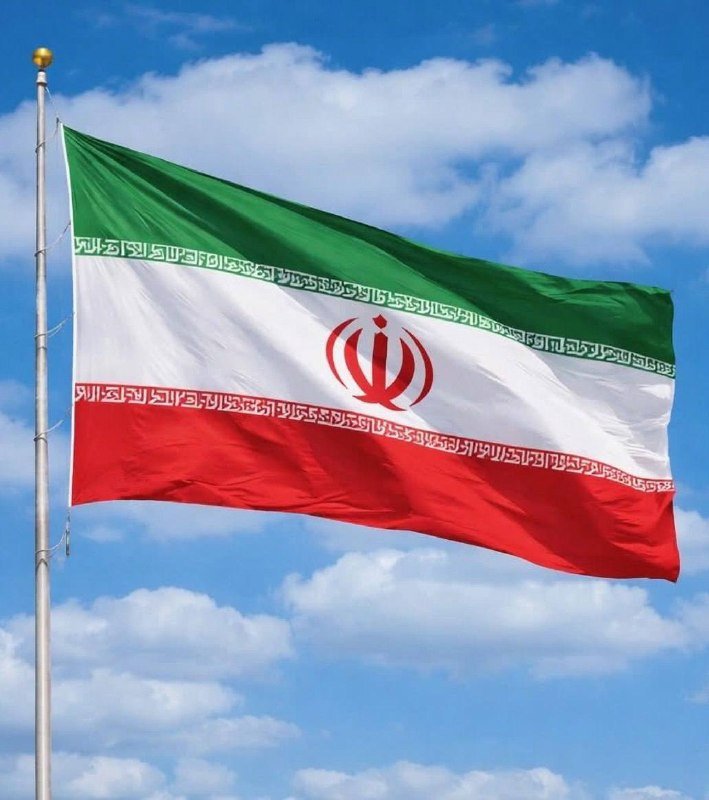
Lead. A draft United States–Iran memorandum circulating in European and Middle Eastern newsrooms on the morning of 17 June 2026 (UTC) ties a roughly $300 billion release of frozen Iranian funds to a 14-point package of nuclear, missile and regional concessions, according to the Italian daily Corriere della Sera, which published the full text overnight. The text reported by Corriere outlines phased oil-export waivers, restrictions on uranium enrichment, a cap on ballistic-missile production and a monitoring regime administered by the International Atomic Energy Agency (IAEA). As of 07:30 UTC on 17 June, the document had not been physically signed, though a prediction market on Polymarket opened on 16 June (18:17 UTC) tracking the probability of a formal signature.
Nut graf. What is on the table in this draft is not just a nuclear file but a re-pricing of Iran's relationship with the dollar-based financial system. If Tehran regains access to a meaningful share of its oil revenues and frozen central-bank reserves, the immediate effect is mechanical: more crude on the market, more dollars flowing through Iranian accounts, and a renewed test of how strictly the US Treasury enforces secondary sanctions. The 14 points — read together — amount to a transactional bargain rather than a strategic reconciliation. That distinction matters for anyone pricing Iranian crude, Iranian rial-denominated debt, or the regional risk premium over the next quarter.
What the 14 points cover
Corriere della Sera's overnight publication of the memorandum text gives the clearest public accounting of the package. The 14 points cluster into four working areas: nuclear constraints, missile activity, regional behaviour, and sanctions relief. On the nuclear side, Iran would limit uranium enrichment to a defined ceiling, surrender specific stockpiles for inspection, and accept a continuous IAEA monitoring presence at named facilities. On missiles, the text caps production of certain ballistic-missile classes and tightens export controls. A third cluster addresses the posture of Iranian-aligned armed groups in Iraq, Syria, Lebanon and Yemen — wording that the Iranian side has historically resisted in writing. The fourth cluster, the largest in financial weight, sets out the phased unfreezing of assets and the issuance of oil-export waivers.
The figure of roughly $300 billion in releasable funds, reported by CryptoBriefing on 16 June (18:39 UTC) drawing on the same draft, refers principally to Iranian central-bank reserves held in restricted-access accounts, principally in Asia, plus accumulated balances in escrow arrangements tied to past oil deliveries. The oil-waiver architecture is the more novel mechanism: under it, named buyers would be authorised to purchase Iranian crude under licences that shield them from secondary US sanctions, with volumes governed by the IAEA's compliance reporting.
Counter-frame: how the Iranian side reads it
In Tehran and in commentary published by outlets aligned with the Islamic Republic, the framing is the opposite: the document is being sold domestically as a recovery of national sovereignty over frozen assets and as formal recognition that the sanctions regime of 2018–2025 was extraterritorial overreach. The political value to the Iranian government is not the dollar amount per se but the precedent — a written US commitment to lift specified restrictions in defined phases, with verification by an international body rather than unilateral US certification.
That framing has weight. From Tehran's vantage, the 2018 withdrawal from the Joint Comprehensive Plan of Action (JCPOA) and the subsequent "maximum pressure" sanctions architecture were structured to deny Iran access to the dollar-clearing system regardless of compliance. A deal that explicitly trades nuclear concessions for the unfreezing of central-bank assets is, on the Iranian read, the sanctions regime acknowledging its own limits. Hardliners in Tehran who opposed negotiations will nonetheless point to the missile and regional-conduct language as evidence of overreach; the public posture of the Foreign Ministry, by contrast, is that the text preserves Iran's defensive missile capability and rejects any negotiation over the IRGC's regional partners as a sovereign matter.
What is structurally new — and what isn't
The architecture is not unprecedented. The 2015 JCPOA also paired enrichment limits with sanctions relief, and it also used phased waivers tied to IAEA verification. What is different in 2026 is the explicit dollar-denominated asset release — roughly $300 billion is several multiples of the relief provided under JCPOA-era arrangements — and the willingness to put missile and regional-conduct clauses into a single text with the nuclear file. The 2015 framework kept missile activity formally outside the deal; the 2026 draft folds it in.
The other structural shift is the mechanism for waivers. Where JCPOA sanctions relief flowed through general licensing, the 2026 draft appears to rely on named-buyer licences, which gives Washington more granular control over who buys and how the revenue is released. That is a deliberate design choice: it preserves US leverage even after the waivers are issued, and it gives the Treasury a per-buyer kill switch. For Iran's oil customers — chiefly Chinese, Indian and Turkish refiners — that uncertainty is a feature, not a bug, of the deal as written.
The Polymarket contract that opened on 16 June (18:17 UTC) — tracking whether the memorandum is "physically signed" — is a useful proxy for market scepticism. Prediction markets price probability of signature, not probability of compliance; the two diverge sharply once a deal is signed.
Stakes — who gains, who loses, on what horizon
In the near term, the deal would put downward pressure on Brent and on the regional risk premium. Iranian crude that has been sold at a discount to Brent via grey-market channels would compete openly with Saudi, Iraqi and Gulf grades, eroding the discount and the sanction-rent that intermediaries currently capture. Refiners in Asia benefit most directly. US shale producers lose some pricing power; Saudi Arabia faces a managed return of a competitor it spent eight years helping to quarantine.
Over a 12-to-24-month horizon, the political-economy stakes are larger. A working deal normalises Iranian dollar access through a US-licensed architecture, which sets a precedent for any future US adversary-state sanctions file: relief is conditional, granular and reversible, but it is achievable in writing. For Tehran, the deal stabilises the rial and gives the government fiscal headroom; for Washington, it caps enrichment and constrains missile output without committing to a full diplomatic normalisation. Both sides get something they want; neither side gets everything.
The risk is that the architecture collapses on the verification clause. IAEA access disputes, a single missile test that violates the cap, or an Iran-aligned attack on US personnel in the region can each trigger re-imposition of the waivers within days. The 14-point text reads less like a peace treaty than like a structured truce with a high reversion cost.
What remains uncertain
Three points are unresolved at the time of writing. First, the document published by Corriere della Sera is described as a draft, and no source in the public record confirms that it has been initialled by both sides. Second, the $300 billion asset-release figure is drawn from a single Telegram-sourced wire on 16 June and has not yet been independently audited against central-bank and escrow records. Third, the regional-conduct clauses — covering Iraqi militias, Lebanese Hezbollah, the Houthis in Yemen — are written in language that the Iranian side has historically refused to sign; whether the published wording is the operative text or a working version that will be softened in final negotiation is the single most consequential unknown. The prediction market opened on 16 June will be a useful daily read on whether the parties themselves think the gap is closable.
Desk note: Monexus framed this as a transactional asset-and-verification package rather than as a strategic rapprochement, and surfaced the Iranian-side read of sanctions reversal as a structural precedent — points the Western wire has so far under-weighted relative to the dollar-and-barrel framing.
Wire provenance
This editorial synthesis draws on the following public wire/social posts:
- https://t.me/CryptoBriefing
- https://t.me/CorriereDellaSera
Follow the event.
These dated source records provide context. They do not retrospectively verify this archive article.
Separate what the nuclear watchdog reported from what it could not determine after the June 2025 strikes.