2026 MLB Mock Draft: The White Sox Hold the Cards as Scouting Boards Crystallise
ESPN's Kiley McDaniel plays general manager for all 30 clubs. The shortstop class is deep, the college bats are loud, and Chicago's first overall pick sets the tone for a draft that will reshape a half-dozen farm systems.
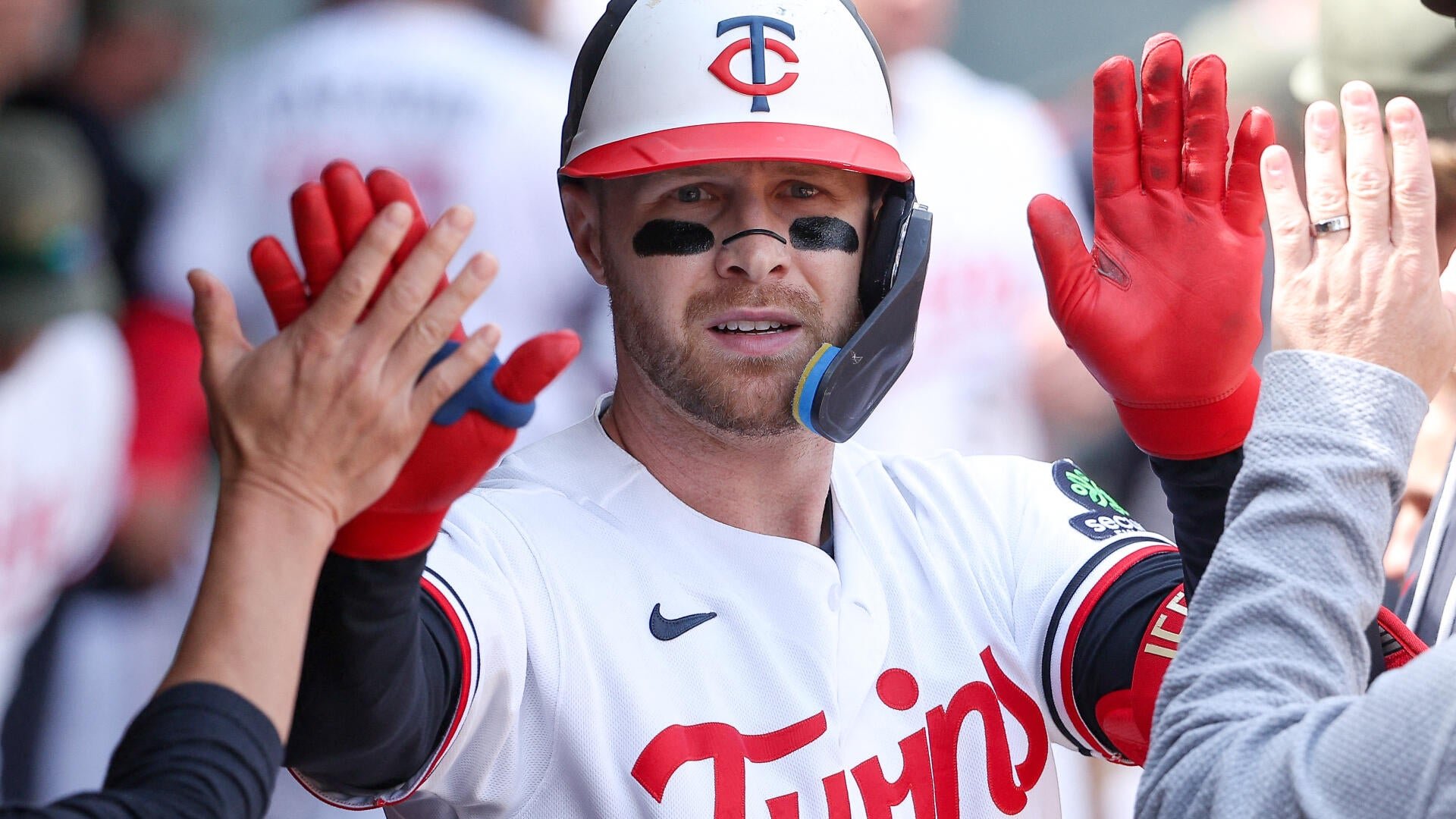
The 2026 MLB First-Year Player Draft is still three nights out, but the industry has spent the last week doing the thing it does best: pretending certainty while quietly hedging. On 18 June 2026, ESPN's Kily McDaniel published his latest mock draft, working through all 30 picks in order and naming a player for every slot. It is the cleanest public read available of where a consensus board has landed, and the headline is a familiar one — premium shortstops go early, premium college bats follow, and the Chicago White Sox, picking first overall, hold the lever that tilts the entire first round.
The mock functions less as prediction than as a stress test: if a front office behaved rationally, who would it take? McDaniel's exercise is the closest thing the sport has to a public, pick-by-pick audit of the 2026 class, and it surfaces a board that is unusually top-heavy on up-the-middle defenders. That structural feature — not any single name — is the story.
The shortstop class sets the price
For most of the spring, the conversation around the 2026 class has centred on a small group of high-school shortstops whose tools have drawn 80-grade grades on the scouting scale. McDaniel's mock reflects that: the first overall selection lands on a shortstop, and a second shortstop is on the board before the fifth pick. The depth at the position is unusual for a class that, on the college side, leans heavily on corner bats and arms.
The implication is straightforward. When two premium defenders are available in the top five, the cost of moving up the board for the second one rises sharply. Teams picking three through five have to decide whether to pay that cost, take the second shortstop and signal positional surplus, or pivot to the best available bat. McDaniel's mock does both, depending on the club, and that is the test of a real board — not whether it gets every name right, but whether it correctly prices the trade-offs.
The college bats behind the prep arms
Behind the shortstops, McDaniel slots a run of college position players: corner outfielders, a first baseman, and a catcher whose defensive and offensive profile has climbed draft boards since the spring. The pattern is conventional. Front offices still prefer the floor that a multi-year college track record provides, and 2026 has enough of those bats that several clubs picking in the teens will get a cost-controlled bat who could reach the majors inside two full seasons.
The pitching class, by contrast, is thinner at the top. McDaniel's mock has only one prep arm in the first ten picks and a college starter going slightly later than industry consensus had expected a month ago. That compression at the top of the prep class — a strong shortstop group, a weaker top-of-class arm group — is the second structural feature of the board and the one most likely to be tested on draft night by clubs trying to thread the needle between signability and ceiling.
What the picks say about club direction
Mock drafts are, at heart, documents about organisational intent. A club that takes a shortstop at number one is signalling a willingness to wait — shortstops move slowly through the minors, and the cost of failure is paid in option years rather than arbitration clocks. A club that takes a college bat is signalling a faster competitive window. McDaniel's mock shows both moves distributed across the first ten picks in roughly the proportions that industry insiders have discussed for weeks, and the geographic spread is notable: rebuilding clubs lean toward the prep ceiling, contenders and mid-tier clubs toward the ready-made bat.
There is also a slot-value story underneath the picks. The 2026 draft pool is shaped by the collective-bargaining structure negotiated between MLB and the Players Association, and McDaniel's mock reflects a board that takes overslot deals seriously at the top while honouring the pool arithmetic in the middle rounds. Whether that arithmetic holds through the actual draft is the open question.
The open variables
The single largest variable is signability. Several of the players McDaniel slots into the top ten have bonus demands that test the recommended slot for their pick, and at least one club in the top five has historically been unwilling to pay overslot. If the player and the club cannot agree, the pick gets made again next year with the same player on the board — a real outcome in recent drafts, and one the mock does not pretend to resolve.
The second variable is medical. Pre-draft medicals have reshaped the top of recent drafts, and 2026 is no exception. McDaniel's mock is a snapshot of the public board, not a forecast of what teams will actually do in their war rooms. The two are rarely identical, and the gap between them is usually where draft night gets interesting.
What the mock does give the reader, and what is genuinely useful, is a public, named, pick-by-pick map of how a respected national reporter reads the 2026 class. The first overall pick going to a shortstop is the headline; the depth of the position behind him is the subhead; the thinning of the prep arms at the top is the structural fact that will determine which clubs leave Atlanta with the player they wanted and which ones leave with the player they could afford.
Desk note
This is a wire-driven explainer built on a single ESPN mock draft. Where the mock makes claims about specific players, those claims are sourced to McDaniel's piece. Where the analysis extends beyond McDaniel's text — to slot-value arithmetic, to the pattern of organisational intent, to the historical signability record — the framing is editorial and the limits of the source are visible. Monexus does not republish the mock; it reads it.