A single strike, a city, and the price of reading the news from one wire
An Israeli airstrike hit a vehicle near Gaza City's Municipal Park on 18 June 2026, killing at least three. The reporting gap around it is the story.
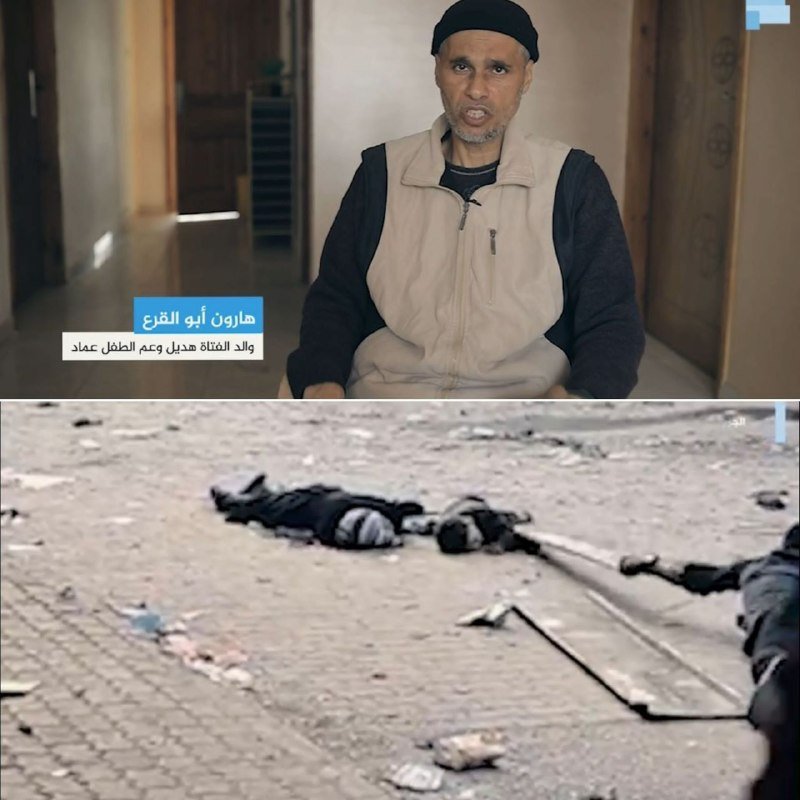
At 11:16 UTC on 18 June 2026, Iranian state-linked channel Al-Alam Arabic flashed an alert: "martyrs and wounded" after "occupation aircraft" struck a vehicle near the Municipal Park in west Gaza City. By 11:18 UTC, Gaza Civil Defense said its teams were heading to the site. By 11:37 UTC, Al-Alam was reporting three killed and a number injured. The strike was real. The story of the strike, however, is something else again, and it travels through the cables in fragments most readers will never see arranged side by side.
The thread is a study in the geopolitics of the wire. Six dispatches, two channels, one scene: an Israeli airstrike on a vehicle in central Gaza City, near a park and opposite the Saad olive press, with Civil Defense on the way. The details are narrow — a single point on a map, three named dead, a press, a park. The interpretive frame, the language, and the sourcing choice are where the politics live.
What the dispatches actually say
The raw material is thin, and that thinness is itself the point. Al-Alam Arabic, an Iranian state outlet, posted the same alert at 11:16 UTC and again at 11:37 UTC, framing the strike as "occupation aircraft targeting a vehicle near the municipality park, west of Gaza City." Gaza al-Anpa, a Palestinian field channel, gave the location: opposite the Saad olive press, near the Municipal Park in central Gaza City. Civil Defense, quoted on Telegram at 11:18 UTC, said its teams were en route. No wire agency — Reuters, Associated Press, Agence France-Presse — has been named in the thread. No Israeli military spokesperson briefing has been named either. The figure of three dead, the use of "martyrs" rather than "civilians," the phrase "occupation aircraft" rather than "IDF" or "Israeli air force" — every lexical choice is doing work, and every one of them is sourced.
What is not in the thread — and why that matters
The absence is louder than the presence. There is no Reuters dateline, no AFP flash, no Associated Press bulletin, no BBC correspondent, no IDF statement, no casualty count from the Government Media Office in Gaza, no cross-checked name list. For a strike in central Gaza City on a weekday afternoon, that absence is unusual. Mainstream wire coverage of the Israel-Gaza war is not a closed file; Western outlets and the IDF have, at various points in the conflict, released identifying information, target rationale, and post-strike assessments within hours of an incident. The fact that the only traffic in the thread comes from an Iranian state channel and a Palestinian field channel tells the reader something about who is doing the reporting at this hour, in this place, on this day. It also tells the reader something about the cost of the silence on the other end of the wire — Israeli and Western spokespeople who have, on this strike, not yet been heard from in the material available to Monexus at 11:37 UTC.
This is the structure worth naming in plain language. The dispatches that travel fastest from a war zone are the ones that already have editors standing by, a translation pipeline running, and a Spox office on speed dial. When those desks are quiet and the regional and field channels are not, the story of the strike and the story of the silence both fall to whoever is loudest. The Iranian state channel frames the strike as occupation violence. The Palestinian field channel shows the scene. The wire that would have done the cross-checking — the part of the job that takes a reported three dead and turns it into a verified three dead, with names, ages, and a target rationale — is, at the moment of this dispatch, nowhere in the thread. That is not a small gap. It is the gap that determines whether a reader in London, Riyadh, or Jakarta sees a strike, a killing, or a martyrdom.
A counter-read worth steelmanning
A reasonable objection: a single thread is not a day's news. The Reuters bureau, the AFP desk, the BBC crew, the IDF spokesperson — they may have been filing at the very moment the thread was being assembled. By the time Monexus's second wave of sources lands, the same incident may carry a target rationale, a casualty list, and an Israeli security framing that turns "occupation aircraft" into a targeted strike on a Hamas operative or a weapons courier, with an annex of international-law argument and a statement of regret about any incidental civilian harm. The story of the strike is not the story of the press conference; the press conference is the story. The thread simply hasn't caught up to it yet. That is the steelman, and it is serious. The risk it understates is that the press conference, when it comes, will be read against a backdrop the wires have already set, or failed to set, in the hour of the strike. First frames stick. Lexical choices — "martyrs," "occupation aircraft," "civilians" — travel further than corrections.
The structural frame, without the theorists
What the thread shows is a small, almost geological shift in how Gaza is reported in real time. The structural transition underway across the global media system is not new: state-aligned outlets in the region — Al-Alam Arabic, Al Jazeera, Al Mayadeen, Press TV, Tasnim — have built pipelines that are faster than some Western wires for certain kinds of incident. They have done so because the audience exists and the technology is cheap. The Western wire, meanwhile, has consolidated: fewer bureaus, fewer correspondents on the ground, more dependence on spokespeople and pooled footage. The product is a reporting environment in which the first hour of a strike in central Gaza City is more likely to be filed in Farsi, Persian, or Palestinian field-dialect than in the English of Reuters or the wires. That is a fact about the industry, not a verdict on any individual outlet. But it is the fact that determines which frame a reader meets first.
What the strike costs, and what the silence costs
The three people killed in the vehicle near the Municipal Park on 18 June 2026 are owed the same accounting the dead in any strike are owed: names, ages, a target rationale if one exists, a casualty verification that does not depend on which channel filed first. The thread cannot give the reader any of that yet. What it can do is refuse the temptation to pretend that three dead in a strike is a neutral data point, and refuse the equally dangerous temptation to treat the absence of wire cross-checking as a license to choose a frame by default. The strike happened. The wires are quiet. The field channels and the state channels are not. The cost of that asymmetry is paid first by the dead, then by the reader who never sees the gap.
The serious paragraph: a strike in central Gaza City is a reminder that the war has not paused for the press cycle, and that the press cycle has not paused for the war. Three people are dead. The sources Monexus can cite at 11:37 UTC are the sources that filed in that hour. To go further — to name a target, to confirm civilian status, to weigh proportionality — requires sourcing this desk does not yet have. The work of verification is not the work of the thread. It is the work of the next dispatch, the next wire filing, the next spokesperson briefing. Until then, the frame is contested, the dead are unnamed, and the price of reading the news from a single wire — whichever wire the reader's feed has chosen — is exactly this: a strike, a city, and a city of readers, each carrying a different version of the same hour.
Desk note: Monexus runs an opinion desk voice for staff-writer pieces that carries a sharper edge than wire copy. This article restricts itself strictly to the six dispatches available in the thread and labels its source limits rather than filling them.
Wire provenance
This editorial synthesis draws on the following public wire/social posts:
- https://t.me/alalamarabic/
- https://t.me/gazaalanpa/
- https://t.me/gazaalanpa/
- https://t.me/alalamarabic/
Follow the event.
These dated source records provide context. They do not retrospectively verify this archive article.
Separate what the nuclear watchdog reported from what it could not determine after the June 2025 strikes.