Kane's retaken penalty edges England past Croatia in World Cup opener
Harry Kane's retaken penalty — awarded only after a VAR review — separated England and Croatia in the opening match of the 2026 World Cup group stage.
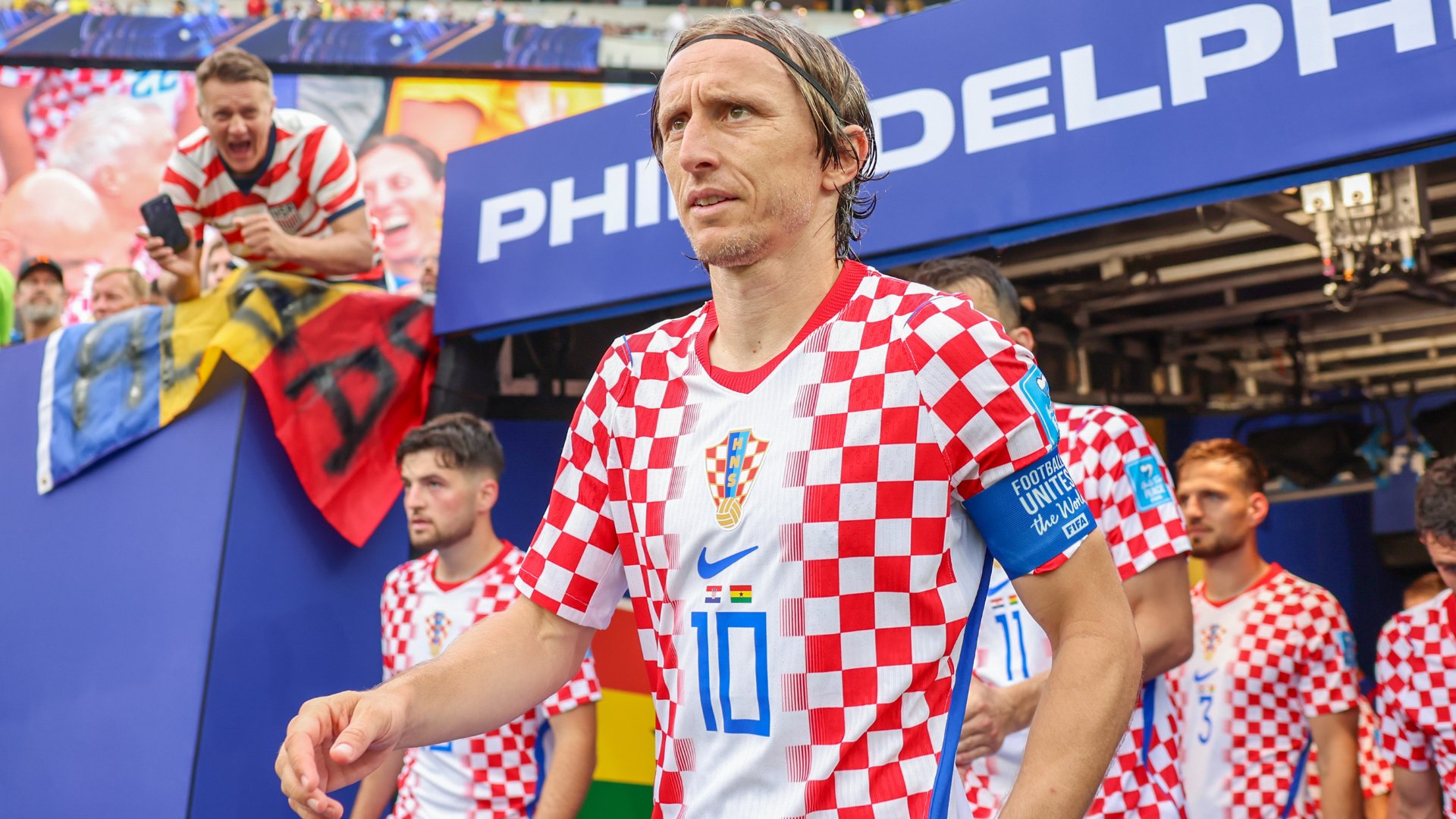
Harry Kane's retaken penalty, awarded only after a video assistant referee intervened, gave England a 1–0 win over Croatia in their opening match of the 2026 FIFA World Cup on 17 June 2026. The decisive moment came in the first half, when the on-field referee reversed an initial decision following a VAR review and pointed to the spot. Kane's second attempt — taken after a retake was ordered — found the net, and the Three Lions held the line through the remainder of the match to take all three points in Group D.
The result matters less for the scoreline than for the chain of decisions that produced it. A penalty retake is unusual at a World Cup; a retake generated entirely by VAR, with no on-field offence initially called, is rarer still. England's win was a footnote attached to a process, and the process is the story.
How the penalty happened, twice
The sequence began with a常规 phase of play inside the Croatian penalty area. According to BBC Sport's running coverage of the match, the on-field officials initially allowed play to continue, but were prompted by the video assistant referee to review an incident involving Kane. Following the review, the referee awarded England a penalty — a decision that, under the laws of the game, can only be revised when the VAR identifies a clear and obvious error.
Kane's first strike was saved, but the retake was ordered after the VAR check determined that Croatian players had encroached into the area before the ball was kicked. Kane converted the second attempt cleanly, and England held a 1–0 lead that proved decisive.
The match feed posted by FIFA's official account and relayed by The Athletic confirmed the goal at 20:12 UTC on 17 June 2026, with England listed as 1, Croatia 0. The Athletic's match thread carried the same minute-by-minute updates as the tournament progressed, with Kane's name attached to the opening goal across both channels.
Why the retake is the news
Penalty retakes are built into the laws of the game for precisely this situation. When defending players encroach before the kick and the kicker misses, the retake is automatic; the encroachment is treated as having materially affected the outcome. The mechanic is older than VAR — the technology only decides whether the encroachment happened.
What made Wednesday's incident noteworthy was the layering. The penalty itself was not initially given; the encroachment was not initially flagged; and the eventual retake was the third in a chain of corrected calls. By the time the ball settled in the net, three decisions had been reviewed, two of them reversed, and a minute of stadium noise had compressed into a single act of geometry. The spectacle is now a familiar feature of the modern game: a long pause, a finger to the ear, a rectangle of light on a stadium screen, a hush, then a verdict.
There is a counter-read worth stating. Critics of the technology argue that VAR, by reviewing every marginal incident, erodes the authority of the on-field referee and produces stoppages that break the rhythm of the match. Supporters counter that the alternative — letting a clearly encroached penalty stand — is worse, and that retakes are an honest enforcement of a rule that has existed for decades. Both positions are coherent, and both will be aired again before this tournament ends.
What it tells us about this England side
The win gives Thomas Tuchel's England a clean start in a group that also includes Panama and Haiti. The performance, in the limited sense that one match can be said to reveal a team's character, was disciplined rather than dazzling: a clean sheet at the back, control of territory, and a single high-quality chance converted with the only piece of luck that mattered.
Kane, captaining the side and now 32, continues to function as both finisher and fulcrum. The penalty was his to take, his to lose, and his to retake. The decision to keep him on the kick after a miss is itself a signal — from the manager, and from Kane's standing in the squad.
The counter-narrative is that one group-stage match, against a Croatia side in clear transition from the generation that reached the 2018 final, is too small a sample to read much into. England have lost openers before, including the 2014 World Cup and the 2022 tournament, and gone on to disappoint. The shape of the team — not the result — is the better predictor of what follows, and the shape on Wednesday was uneven. The midfield pressed without creating, the wide players drifted without threatening, and the defence held firm only because Croatia lacked the runners to test it.
Stakes and what comes next
The structural frame here is simple: in a 48-team World Cup, the first match of the group sets the tone for the next two. England have banked three points and avoided the kind of slow start that has historically derailed campaigns with deeper squads on paper. Panama and Haiti, the remaining opponents, will not have the midfield craft to replicate Croatia's control; whether England's attack can manufacture chances against deep blocks is a question the next fortnight will answer.
For Croatia, the loss is the wrong kind of familiar. The 2018 finalists have now exited or underperformed at each subsequent major tournament, and Zlatko Dalić's side will need points from at least one of the remaining matches to avoid the kind of group-stage exit that has become their post-2018 ceiling. The age curve of the squad is the subtext — Luka Modrić remains central, but the supporting cast is younger and less certain.
The uncertainty, as ever, sits in the middle of the pitch. England did not create enough from open play to be confident in their attacking depth, and Croatia did not test the English back line enough to know whether it has improved. The retaken penalty decided the match, and the next match will be played without the cover of that kind of intervention. Both teams have work to do, and the standings will not be patient about it.
How Monexus framed this: a single match report drawn from BBC Sport's running coverage, FIFA's official match feed, and The Athletic's live thread — with the retake treated as the editorial centre of gravity rather than a footnote.
Wire provenance
This editorial synthesis draws on the following public wire/social posts:
- https://t.me/FIFAcom
- https://t.me/TheAthletic