The 3% tax hiding inside your checkout button
Every merchant swallowing 3% per transaction is funding a quietly extractive settlement layer. Crypto-native acquirers smell the margin — and the regulatory fight that follows will define the next decade of online commerce.
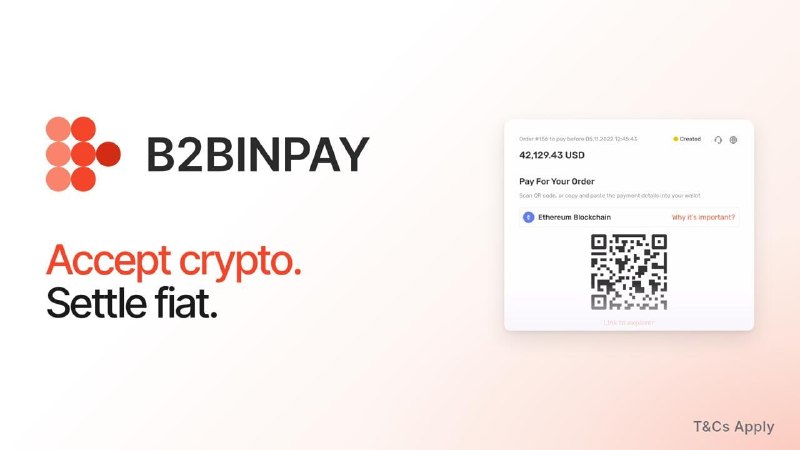
On 17 June 2026, the same crypto-payment pitch landed in three separate founder feeds within seventeen minutes — twice on Product Hunt's Telegram channel and once on AngelList's — promising merchants an exit from the 3% transaction tax that card networks and their acquiring banks have been quietly compounding for two decades. The repetition is the point. The pitch works because the pain is universal.
The argument this publication wants to make is straightforward: interchange-plus-pricing is not a market outcome, it is an infrastructure rent, and the people paying it have never had a serious alternative. Crypto-native acquirers do not win by being cheaper in the marketing sense. They win by forcing the legacy stack to defend margins that, on a clean cost-of-funds basis, have been indefensible since the first online checkout button was rendered.
The rent inside the button
A merchant processing $1 million a year on a 2.9% blended rate surrenders roughly $29,000 before the chargeback reserve, the rolling hold, the PCI-compliance fee, the gateway fee, and the statement-fee are even counted. The Stripe, Adyen, and Checkout.com pricing pages make the headline rate legible and the rest of the stack opaque. The merchant sees a line item; the acquiring bank sees a margin layered six ways.
That is not an accident of pricing. Card networks are two-sided markets in which the merchant side has no negotiating power and no walk-away option. Visa and Mastercard are the toll booths; the acquirer is the franchisee; the merchant is the captive. The 3% figure cited in the 17 June B2BinPay pitch is, if anything, conservative once you include chargeback provisioning and the working capital tied up in rolling reserves that can stretch to 10% of monthly volume.
The structural case for stablecoin rails
Stablecoin settlement does something the card networks structurally cannot: it moves the money at the speed of the ledger, at the cost of a few cents per transaction, and it does so without the chargeback apparatus that exists only because the card network itself is a credit instrument. A USDC transfer on a layer-2 network is not reversible by a phone call to a bank. That is either a feature or a bug depending on which side of the counter you sit on, and it is the reason the legacy industry is currently spending heavily on the narrative that stablecoin settlement is somehow less safe.
The counter-narrative deserves airtime. Chargebacks exist because fraud exists, and a checkout that cannot reverse an authorized fraud is a checkout that the merchant eats. The acquiring-bank model bundles fraud liability, dispute resolution, and credit underwriting into a single fee. Pull that bundle apart and price the pieces, and the comparison is less lopsided than the crypto pitch deck suggests. The legitimate incumbent argument is that the 3% is not rent, it is insurance.
It is also true, however, that the insurance is overpriced, that the dispute process favours issuers over merchants, and that the bundling is itself the regulatory moat. If the components were priced separately, the unbundled price would fall, and the network effect that justifies the headline rate would be the only thing left to defend. That is the world the new acquirers are trying to price into existence.
What this actually changes
The most important consequence is not merchant margin. It is geographic. A cross-border card transaction carries a foreign-exchange spread on top of the interchange, which is why a small exporter in Lagos, a freelancer in Buenos Aires, and a coffee importer in Hanoi all pay structurally more than a domestic US merchant for the privilege of accepting the same payment. Stablecoin settlement flattens that gradient. A dollar that arrives as USDC and settles as a local bank deposit is a dollar that did not pass through correspondent banking on its way in.
This is also where the political fight will live. Cross-border payment corridors are a state interest. The US Treasury, the People's Bank of China, the European Central Bank, and the Bank of England all have views on who gets to issue the settlement asset for cross-border commerce, and the answer has historically been that it is the local commercial bank, not a Cayman-issued token. The next decade of online commerce will be shaped less by the technical merits of stablecoin rails than by which regulators decide which corridors they are allowed to operate in.
The honest answer to "is this real"
The 17 June Telegram posts were promotional, not journalistic. They were paid distribution, the merchant version of a billboard on a highway. The fact that the same creative ran three times in seventeen minutes across two channels targeting founders and operators is itself a signal — the segment is being blitzed because it converts. Conversion is not the same thing as a thesis.
The thesis that holds up is narrower than the pitch: for merchants with low chargeback exposure, a stable customer base, and a willingness to push fraud risk to the customer at checkout, the cost differential between card-on-file and stablecoin settlement is real and large. For everyone else — high-chargeback verticals, recurring billing, regulated industries — the comparison is not yet close. The 3% is not going away. But the segment of the market that the new acquirers are pulling off the bottom of the stack is real, and the legacy network's defensive posture over the next 24 months will tell you how much of that segment is structural rather than promotional.
This publication reads the B2BinPay pitch as a symptom, not a story — useful as a temperature check on a margin the legacy stack has overcharged on for years, and useful as a leading indicator of which corridors the next regulatory fight will close.
Wire provenance
This editorial synthesis draws on the following public wire/social posts:
- https://t.me/producthunt/
- https://t.me/angellist/
- https://t.me/producthunt/