Pochettino's USMNT can clinch Group D on matchday two — the scenarios, the permutations, and what changes if they don't
After a dominant opening win, the United States can lock up first place in Group D on Thursday — but the permutations in Australia's favour are narrower than they look.
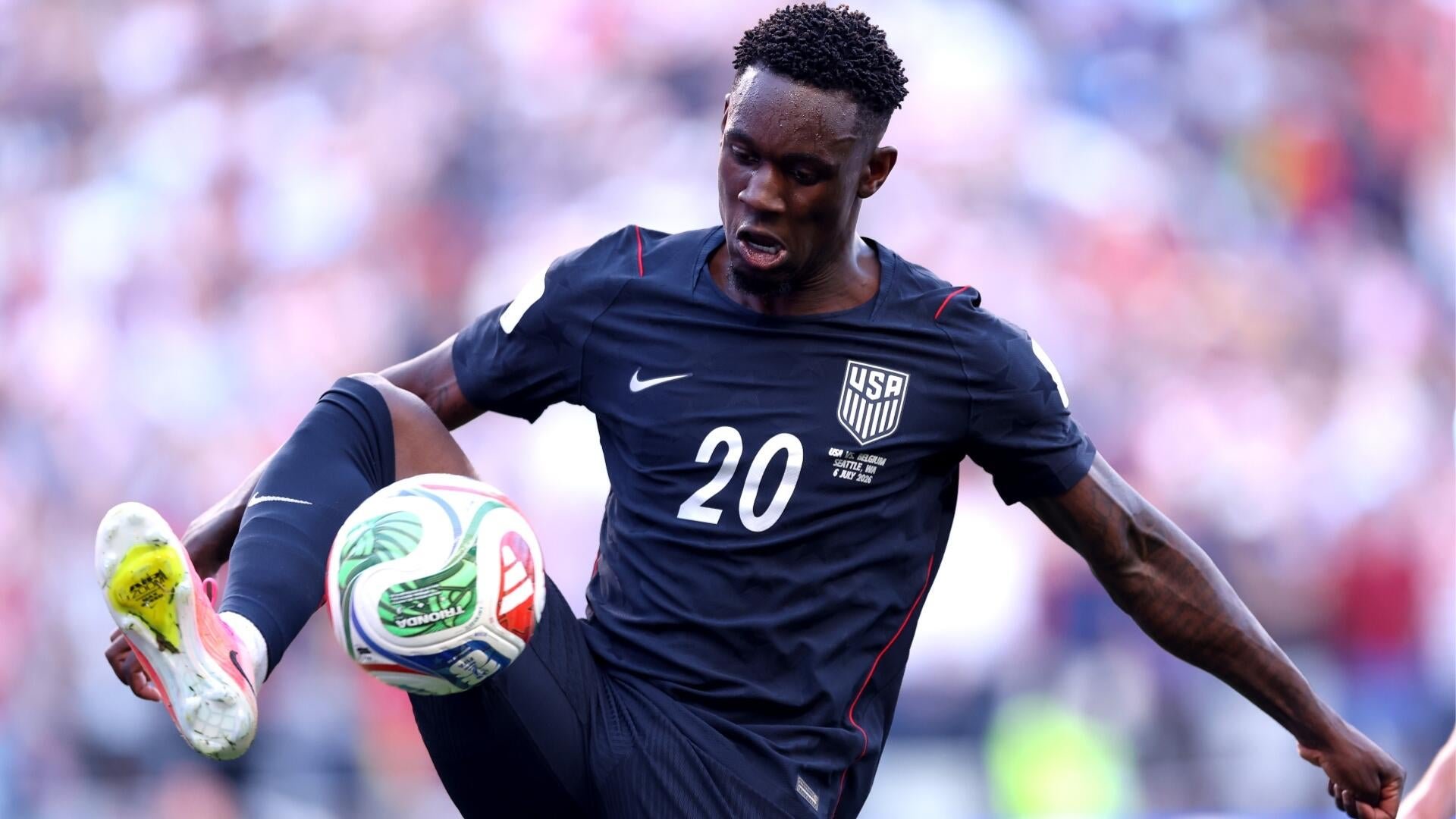
The United States men's national team does not have to wait until the final matchday to settle its World Cup group. After a dominant opening victory in Group D, Mauricio Pochettino's side can lock first place on Thursday against Australia — and the simplest path is also the most familiar one in modern football: win the game in front of you.
That is the headline reading from CBS Sports's group-stage scenarios published on 18 June 2026 at 20:52 UTC. It is also the only reading that matters to the United States until kickoff. Group D's arithmetic is generous when you start with three points and a goal-difference cushion; it tightens fast if you spend those advantages.
What the table looks like right now
Pochettino's side opened its tournament with the kind of result that resets the ambient temperature around the programme. According to CBS Sports's scenario primer, the United States enters matchday two of three with the inside track on first place in a group that also contains Australia plus the two CONMEBOL/CONCACAF-intercontinental qualifiers who completed the section.
The basic logic is straightforward. Two wins from two matches guarantees top of the group and a favourable round-of-16 draw against a third-place side. A draw on Thursday keeps the United States in control of its own group but pushes the clinching math to the final matchday. A loss complicates everything — Australia would climb level on points with a game in hand on goal difference, and the United States would spend the rest of the group-stage window calculating rather than playing.
CBS Sports frames the matchday-two possibilities around a simple decision tree: win, and the group is functionally over; draw, and the third match becomes a target; lose, and the calculus inverts entirely. There is no third path.
The Australian read
The counter-narrative belongs to Australia. The Socceroos arrived at this tournament in their customary posture — under-qualified on paper, awkward to play in practice, and rarely embarrassed at this level. A draw against the hosts on Thursday would represent a result, not a survival.
The structural case against complacency is real. Australia has the kind of veteran spine — in goal, at centre-back, and through midfield — that punishes a slow start. The United States has, at times under Pochettino, been a slow-starting side in possession-heavy matches, content to absorb early pressure and trust the talent differential to assert itself later. That model works against opponents who chase the game; it is more fragile against opponents who set the tempo.
The honest read is that the United States should still win this match. But the margin between "should" and "did" is exactly the margin that has historically separated American men's teams at this tournament from the round of eight.
What changes if the group does not lock on Thursday
A failure to clinch on matchday two does not end the United States' tournament — but it does change the texture of the final group match. Instead of a stress-free rotation opportunity for Pochettino to rest legs and manage minutes, the third fixture becomes a must-not-lose.
The structural implication runs further. If the United States finishes second, the round-of-16 opponent changes: instead of meeting a third-place qualifier, they would face the winner of another group — and the bracket path to the quarter-finals tightens. CBS Sports's scenario framing implicitly assumes the United States understands this. So does Pochettino, who has managed at the level where the difference between first and second in the group is the difference between a winnable tie and a season-ending one.
Stakes, and what remains unknown
The on-pitch stakes are concrete: first place, a soft round-of-16 draw, and the breathing room that lets a manager rotate. The off-pitch stakes are larger, and they are the reason a Thursday result matters beyond the standings. A group-stage clinch on home soil, in front of a tournament the federation has spent a decade positioning, gives the programme a clean narrative through the round of sixteen. Anything less invites the kind of second-guessing that has defined American men's tournament football for a generation.
What the public sourcing does not yet tell us is the precise goal-difference cushion the United States carried out of matchday one, or the lineup shape Pochettino will choose on Thursday — CBS Sports's scenarios piece frames the permutations rather than the personnel choices. Those details will surface closer to kickoff. What is already on the record is that the group is the United States' to lose, and that the simplest path through it runs straight through ninety minutes in Australia-coloured jerseys.
This article is built from one wire scenario primer; the analysis above is editorial framing by Monexus, not the source outlet's argument.