Vance's 60-Day Iran Bargain: A Deal the Skeptics Were Promised
The vice president is selling an Iran agreement that starts a 60-day clock and a sanctions-lite arrangement. Read the fine print.
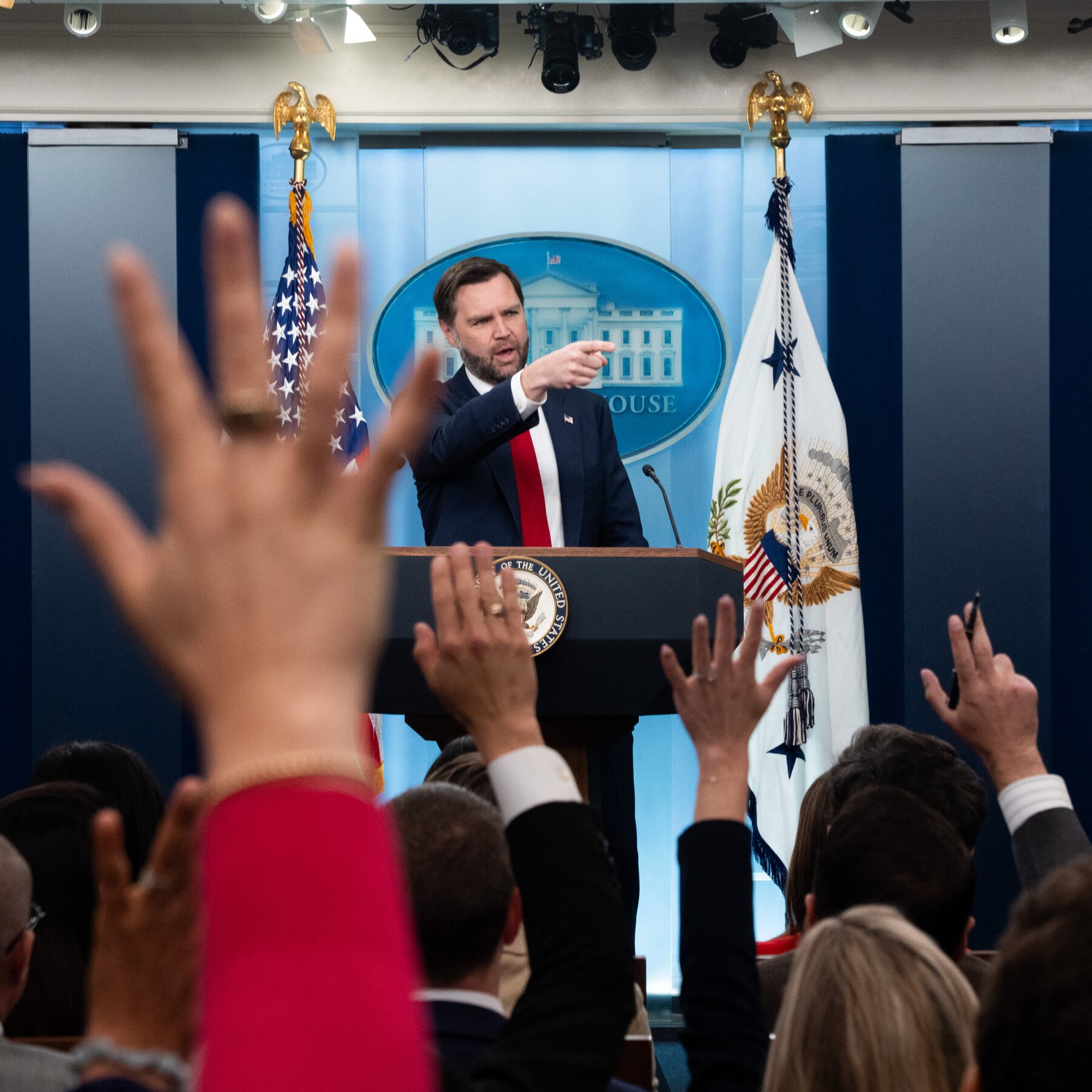
Vice President JD Vance walked into the public-facing phase of the new Iran arrangement on Thursday with a sales pitch calibrated for two audiences at once: a domestic base that remembers the wreckage of 2015, and a Tehran that needs room to claim it won something. Speaking on 18 June 2026, Vance framed the deal as a clean break from the Obama-era Joint Comprehensive Plan of Action — "the Obama nuclear deal allowed enrichment — ours will not," he said, per a Telegram clip circulated by ClashReport at 15:50 UTC. The deal, he added, "is actually leading to the destruction of" stockpiled weapons-grade material rather than its accumulation. The vice president then did something rarer in this genre: he put a clock on it.
The 60-day window, formally starting the day of his remarks, is the most interesting thing about this agreement — and the easiest to misread.
What the 60-day clock actually does
Vance was explicit on timing. "I would say the 60-day period officially started today," he said in remarks captured at 15:34 UTC, adding that the deal itself had been concluded the previous day. The structure is, in essence, a probationary sanctions architecture: relief flows first, irreversible commitments later. Iranian oil exports, in particular, are tied to a relaxation that the administration does not classify as a major concession. "We didn't see that as a major concession to the Iranians, frankly," Vance said at 15:43 UTC, "because what prevented them from selling oil was not…" — the clip ends there, but the implication is clear. The bottleneck on Iranian crude was not legal permission; it was the willingness of buyers, shippers, insurers and refiners to handle cargoes under secondary-sanctions threat. The administration is betting that de facto access — not a formal licence — is enough to move the price of Iranian crude down and the volume up.
That is a defensible bet. It is also a fragile one. If 60 days is the period in which Iranian behaviour is tested, the test is bilateral: Washington reads tanker telemetry, IAEA reports and missile-test cadence; Tehran reads Treasury general licences, the OFAC FAQ page and the price differential between Brent and Iranian heavy.
The enrichment question, and why it matters more than the language suggests
The line that will dominate the next news cycle is the contrast with 2015: "our deal will not" allow enrichment, Vance said, in a formulation that the original JCPOA also used. The 2015 deal permitted enrichment under tight monitoring, capped at 3.67 percent for 15 years, with a stockpile ceiling and a redesign of the Arak reactor. The new arrangement, on Vance's telling, is more restrictive. But "more restrictive than JCPOA" is a moving target — the 2015 deal's sunset clauses were the central Republican objection then and remain so now. If enrichment is zero or near-zero for the full term of the agreement, the deal is structurally different from its predecessor. If it is zero only during the 60-day probation, the structural difference is cosmetic.
The thread material does not specify which. That silence is itself a tell.
Sanctions as calibrated currency
Vance's framing of sanctions relief — "not a major concession" because the binding constraint was behavioural, not legal — is a sophisticated piece of sanctions-statecraft. It implies the United States is willing to lose the legal instrument in order to keep the market instrument. Once Chinese and Indian refiners can buy Iranian heavy at a discount without fear of being cut off from the US financial system, the price of oil falls and the geopolitical weight of the Gulf petro-state architecture shifts. The administration is, in effect, monetising access. The question is whether Tehran treats the 60 days as a runway or as the deal itself.
The structural risk: a sanctions regime that works through market access rather than legal prohibition is harder to re-impose. Buyers do not unlearn routing. Insurance markets do not reprice in a week. The leverage the next administration inherits may be thinner than the leverage this one is spending.
The skeptical case, taken seriously
Vance anticipated the objection. "I've seen skeptics of the deal — people say the Iranians will never change their behaviour. Well, maybe that's true, and if so, they don't get any of the benefits of the bargain," he said in remarks circulated at 15:32 UTC. The framing is honest. The bargain is conditional. The honest version of the skeptical case is not that this is Obama redux; it is that conditional bargains with a 60-day reversion clause become permanent bargains the moment the political cost of reimposing sanctions exceeds the political cost of tolerating non-compliance. The Obama administration faced the same dynamic from 2017 onward. The structural feature of US-Iran sanctions is that the off-ramp is always harder to use than the on-ramp.
This publication finds that the 60-day architecture is the right idea executed with insufficient specification. The clock is the innovation; the off-ramp is the test. If the administration can credibly commit to reimposing effective sanctions on day 61, the deal is genuinely different. If the political economy of the next 60 days makes that commitment uncredible — and 11 years of sanctions history suggests it will — then the bargain becomes the new floor, and the enrichment question answers itself.
What remains uncertain
The available material does not specify the precise scope of enrichment permitted, the verification cadence, the disposition of the Arak-style reactor question, or the dollar value of the sanctions relief in play. It does not name a counterpart negotiator on the Iranian side. The 60-day window is the only hard number on the page, and the vice president is the only senior official quoted. The structural reading above is therefore a reading of a posture, not a text. Readers should treat the bargain as described in the 18 June remarks as a framework in motion, not a treaty.
Desk note: Wire coverage of the framework on 18 June carried Vance's quotes almost verbatim; this piece reads the same material for the sanctions architecture and the structural inheritance the next administration will receive, not for the politics of the announcement.
Wire provenance
This editorial synthesis draws on the following public wire/social posts:
- https://t.me/ClashReport
- https://t.me/ClashReport
- https://t.me/ClashReport
- https://t.me/ClashReport
Follow the event.
These dated source records provide context. They do not retrospectively verify this archive article.
Separate what the nuclear watchdog reported from what it could not determine after the June 2025 strikes.