Clark seizes control at the US Open as second round closes at seven-under
Wyndham Clark stretched his US Open lead to seven-under with a closing birdie on Friday, separating himself from a chasing pack that has yet to mount a sustained challenge at the year's third major.
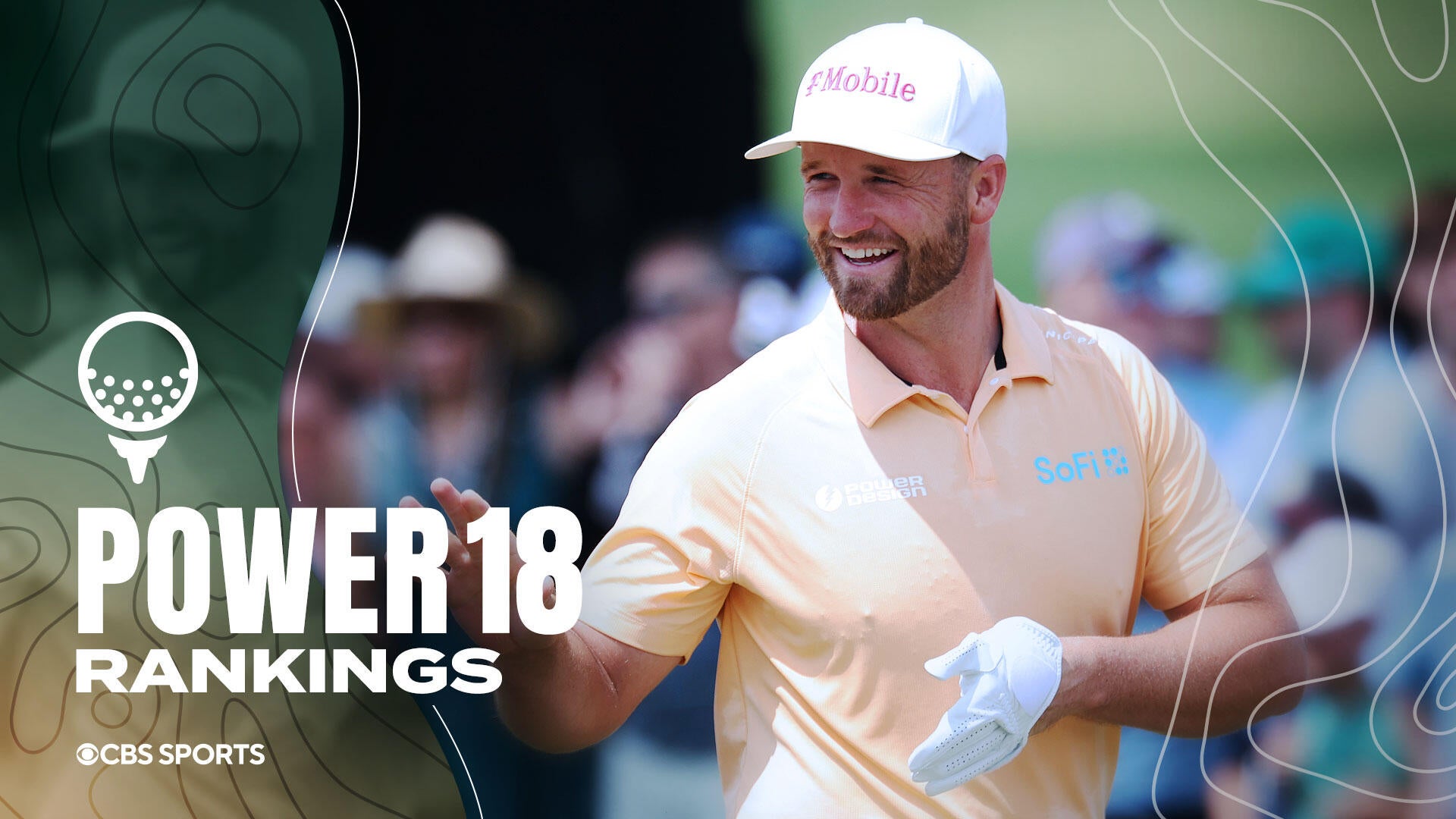
Wyndham Clark walked off the 18th green at the US Open on the evening of 19 June 2026 four shots clear of the field, his closing birdie from long range the kind of stroke that reshapes a major championship in a single swing. The 2023 champion reached seven-under par at the close of the second round, a score that carries weight at any US Open but particularly at this one, where scoring has crept upward as the setup has hardened into the kind of examination the USGA intends.
Clark's advantage is no accident. He has been the most consistent ball-striker through 36 holes, ranking near the top of the field in strokes gained off the tee and avoiding the mistakes that have collected the usual major-championship suspects. A four-shot lead after the second round is rare at this event — it is the kind of cushion that turns the back nine on Saturday into a referendum on nerves rather than on swing mechanics.
A lead built on patience, not pyrotechnics
The second round at a US Open is rarely about fireworks. It is about survival, about avoiding the doubles that swell a scorecard and the bogeys that come from loose swings into manufactured pin positions. Clark's day reflected that template. He carded the kind of card that will not make highlight reels — a steady procession of pars, a handful of birdies, and only the occasional concession to the course's most penal angles. The headline moment came at the last, where his long birdie putt found the centre of the cup and transformed a strong round into a statement one. Commentators on the Sky Sports broadcast reacted with undisguised astonishment as the ball dropped, and the four-shot margin was confirmed on the scoreboard.
The chasing pack has work to do. No player outside Clark sits closer than four strokes of the lead, and the names immediately behind him are a mix of major winners, journeymen, and emerging talents whose combined major championship pedigree does not equal his. That is a peculiarity of the modern US Open, where the field has thickened and the very best players sometimes find themselves bunched at modest under-par totals rather than running away with the tournament.
The USGA's course does what it is designed to do
The scoreboard tells the story the setup was designed to produce. Only Clark sits at seven-under. A handful of players are at three-under, more at one- or two-under, and the bulk of the field is at level par or worse. That distribution is the point: the USGA wants a US Open that separates players, that punishes the marginal error, and that rewards the kind of grinding, positional golf Clark plays well. He does not overpower golf courses. He out-thinks them.
The risk for the leader is that the course will only get harder. Saturday's third round traditionally moves pins to the most demanding locations, fairways narrow, and rough thicken. A four-shot lead at this stage of a US Open is not the same as a four-shot lead at a regular PGA Tour event. It can vanish in a single back nine if the wind shifts or if a single hot player gets hot from the wrong side of the draw.
Stakes: a second major would reframe a career
Clark's 2023 US Open victory arrived as something of a surprise — a powerful, emotional week that culminated in a closing 70 at Los Angeles Country Club. His career since has been a working golfer's career: solid, occasionally excellent, but not the consistent run of top finishes that would mark him as a generational talent. A second major would change that framing. It would place him in the company of players who have won multiple US Opens, a list that is shorter than the list of major winners in general, and it would secure exemptions and status that would define the next decade of his career.
For the chasing pack, the math is straightforward but unforgiving. They need to make up four shots in 36 holes on a course that does not give shots back. That typically requires a low round from one of them on Saturday, paired with a wobble from Clark, and neither of those outcomes can be assumed. The history of the US Open is littered with third-round charges — and with third-round charges that ran aground against a leader who refused to yield ground.
What the sources do not yet tell us
The scoreboard after 36 holes is one snapshot, not a verdict. The draw on Saturday will matter: morning players at this US Open have generally had an easier time than afternoon players, and Clark's exact half of the draw for the third round has not been confirmed in the available reporting. The condition of his back — a question that hovered over his preparation earlier in the season — has not been addressed in the reporting reviewed here, and a physical limitation would change the calculation more than any swing change could. The leaderboard after the second round is a starting position, not a destination.
Desk note: Monexus framed this as a player profile anchored in the score, not as a coronation. The four-shot lead is the lead, not the win — and a US Open on a USGA setup rarely lets a lead go unchallenged for long.