A Non-Deal in Geneva: What an Empty Airplane Tells Us About US-Iran Diplomacy
Both Washington and Tehran cancelled flights to Switzerland within hours of each other. The pattern is more revealing than any communiqué.
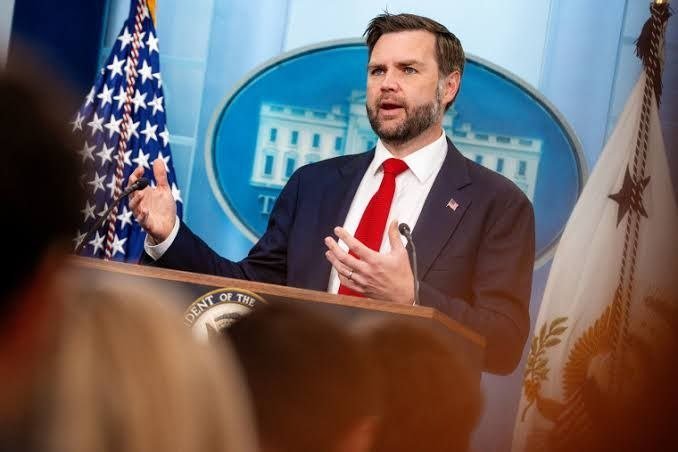
The choreography, such as it is, played out across roughly fourteen minutes in the early hours of 19 June 2026. At 01:32 UTC the channel DDGeopolitics reported that Vice President Vance would not be flying to Switzerland on Friday night to sign a deal with Iran. At 01:44 UTC the same channel updated: the White House expected technical negotiations to begin regardless. At 01:46 UTC, Middle East Spectator carried an Al Mayadeen dispatch saying the Iranian delegation would not travel at all, citing what it called continued Israeli ceasefire violations in Lebanon.
Two planes, neither of them in the air. That is the diplomatic state of play between Washington and Tehran on the morning a deal was supposed to be inked. The headline is the absence.
What actually got cancelled
According to the DDGeopolitics wire, the cancellation came from the White House itself. Vance's expected Friday-night departure for a signing ceremony in Switzerland was pulled. The framing offered by the same wire — that technical negotiations would still proceed — is significant: it suggests the disagreement is over the form of any agreement (a public signing versus a quieter working session) rather than over the substance. Iranian-language outlets are unlikely to accept that distinction, and Al Mayadeen's parallel pull-out indicates they already have not.
The Al Mayadeen report, relayed via Middle East Spectator, ties the Iranian walk-back to Lebanon — specifically to alleged Israeli breaches of the ceasefire framework that has governed southern Lebanon since late 2024. Iran has consistently framed its negotiating posture as conditional on the regional file, not just the nuclear file. That framing is doing real work here.
The Lebanon variable
Israel–Lebanon–Iran is not a subplot to US–Iran talks; for Tehran it is the same conversation. The Iranian negotiating position has long linked any durable arrangement with the United States to constraints on Israeli operations in Lebanese territory. If those operations continue — and the Iranian reading, whether or not one accepts it, is that they have — Tehran's incentive to send a delegation to a signing ceremony evaporates. The optics of inking a deal while allied territory is being struck are unacceptable inside the Islamic Republic's political system.
This is the part of the picture that Washington-centric coverage tends to flatten. A headline that reads "Iran cancels Geneva trip" omits the Lebanese clause that the Iranian side says caused the cancellation. The structure of the cancellation is not unilateral pique; it is a conditional posture that the Iranian state has signalled repeatedly.
What a non-signing actually signals
The temptation, on the Western wire, is to read this as collapse. It is not yet collapse. A cancelled signing ceremony is different from a cancelled negotiation. The White House's own statement, as carried by DDGeopolitics, pointed toward technical-level talks continuing on schedule. Technical talks are where the actual drafting happens; signing ceremonies are where already-drafted texts get a photograph.
What the non-signing does signal is that the political envelope around any deal remains unresolved. Tehran will not deliver the photograph while it believes Israeli operations in Lebanon are ongoing. The Trump-era pattern of "maximum pressure plus last-minute deal" presupposes a partner willing to absorb the public-relations cost of signing under fire. This Iranian government, on this evidence, is not that partner this week.
Stakes, and what to watch
The narrow stakes are procedural: are technical talks enough to produce a draft that survives the next news cycle, or does the cancelled ceremony harden positions on both sides? The wider stakes are structural. A deal in Geneva would have momentarily stabilised the regional file — oil markets, shipping insurance, Hezbollah's calculus, the Gulf states' hedging behaviour. Its absence pushes all of those back into a higher-volatility regime.
What remains genuinely uncertain is whether the Lebanese ceasefire the Iranian side cites is, in fact, being violated in any operationally meaningful sense, or whether Tehran is using the clause as cover for a negotiation it was not ready to conclude. The sources available do not resolve that. They describe two cancellations within a quarter of an hour, one from each side, with each side offering a different explanation. The dominant Western framing — that this is an Iranian walkout — and the Iranian-aligned framing — that this is a conditional posture inside a broader regional negotiation — are both present in the wire. Neither has yet been adjudicated by events.
Desk note: The wire runs on two tracks — DDGeopolitics carrying the White House line, Al Mayadeen via Middle East Spectator carrying the Iranian line. Monexus reports both, attributes both, and lets the structural pattern — two cancelled flights, two different explanations, one scheduled meeting that may still happen at a lower level — do the analytical work.
Wire provenance
This editorial synthesis draws on the following public wire/social posts:
- https://t.me/Middle_East_Spectator
- https://t.me/DDGeopolitics
- https://en.wikipedia.org/wiki/2025%E2%80%932026_Iran%E2%80%93United_States_negotiations
Follow the event.
These dated source records provide context. They do not retrospectively verify this archive article.
Separate what the nuclear watchdog reported from what it could not determine after the June 2025 strikes.