McIlroy opens with 69 at a Shinnecock that punishes hesitation
Rory McIlroy carded a one-under 69 in Thursday's opening round at the US Open, a number that reads well until you notice the three bogeys that bled into the back nine at Shinnecock Hills.
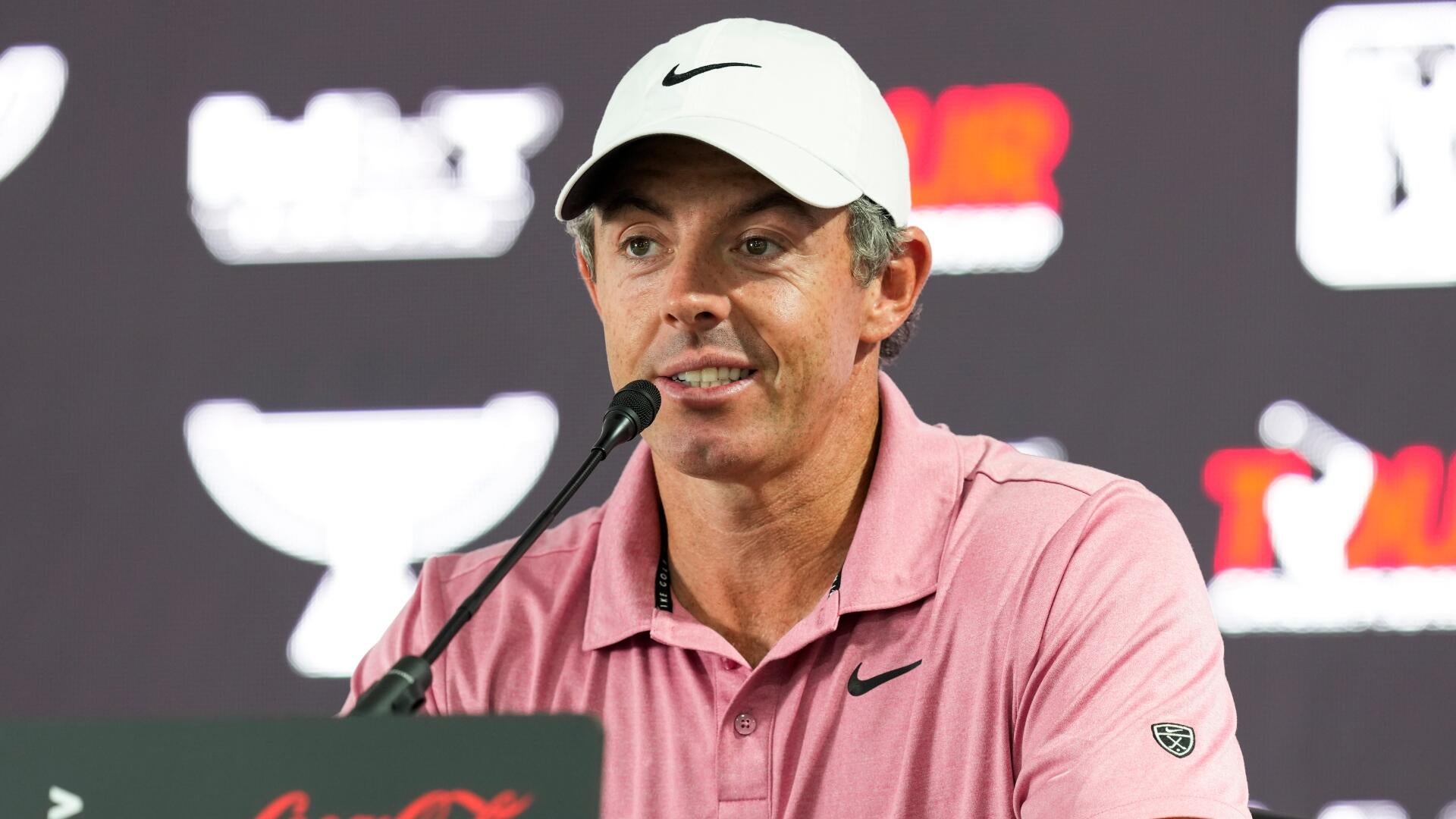
The wind at Shinnecock Hills arrived early on Thursday, 18 June 2026, and refused to leave. A fog delay compressed the start of the 126th US Open into the afternoon, and by the time Rory McIlroy signed for a one-under-par 69 in the opening round the course had already extracted a confession from most of the afternoon groups: the wide fairways of the Long Island layout look generous until a crosswind turns a 7-iron into a guessing game. McIlroy's card, the strongest of the early clubhouse returns reported by BBC Sport, came with a side of regret. He was four-under at one point. He was one-under at the end. The three-shot swing is the kind of arithmetic that wins majors in June.
Shinnecock does not reward fast starts so much as it tolerates them. The first round of a US Open at this club has historically functioned less as a scoreboard and more as a screening: the field is sorted into those who can survive a missed fairway and those who cannot. McIlroy's 69 buys him a tee time on Friday morning with a reasonable number on the card, but it also exposes a familiar fault line. He plays the front nine at majors the way other players play the practice ground — loose, athletic, free. The back nine asks a different question, and on Thursday the back nine asked it with a three-putt and two missed greens in regulation.
A course that punishes hesitation
The setup at Shinnecock in 2026 is the same basic template the USGA has used at this venue since the 1986 and 2004 Opens: firm, fast, brown, and unrepentant. According to Sky Sports' opening-round dispatch, the breeze on Thursday gusted above 20 mph during the afternoon wave, and the scoring distribution reflected it. The leaderboard after the first wave was a graveyard of two- and three-over cards from players who would normally expect to post under par on a calm track. The course does not merely penalise errant shots; it penalises the recovery shot that comes a beat too slow. That is the design, and it has been for four decades.
The specific damage to McIlroy's card came at the par-four 14th, where his approach came up short, and at the par-three 17th, where a tee shot found the wrong half of a steep false-front green. Neither was a blow-up. Both were the kind of misses that, on a softer course, leave a 15-footer for par. At Shinnecock on Thursday they left short-sided chips from tight lies, and the resulting bogeys were the difference between a share of the clubhouse lead and a position in the chasing group.
Scheffler, and the field behind him
Scottie Scheffler's opening round, also reported by Sky Sports, was a "mixed start" — the kind of phrase that in a normal US Open week would land him within three shots of the lead and generate little comment. This week the arithmetic is more delicate. The world number one began his Grand Slam bid of 2026 by playing the front nine at even par and the back nine with the same kind of conservative patience that has defined his run of form over the past two seasons. He is not the story of the first round. McIlroy is. That is its own data point: when Scheffler's card is described as "mixed" and McIlroy's is described as "strong," the leaderboard is closer than the narrative suggests.
CBS Sports' Thursday wrap characterised McIlroy's day as one in which "he couldn't hold the lead down the stretch, but he still put forth a strong opening-round performance." That is a fair reading of the day, and it is also the most cautious reading. The alternative reading — the one that matters more for the second round on Friday — is that McIlroy's three-shot back-nine slip is a correctable pattern rather than a structural one. His iron play on the par threes was as good as it has been all season. His driver, on the holes where he could actually use it, found the short grass often enough to keep the field honest. What he lost on Thursday was not the swing; it was the decision speed on three specific shots, and decision speed is precisely the muscle that Shinnecock is built to test.
What the first round does and does not tell us
The first round of a US Open is famously an unreliable predictor. The 2004 Open at this same course was won by Retief Goosen, who opened with a 66 and then played the next three rounds in a manner best described as managed. McIlroy's 69 is the kind of number that, on Thursday, is worth more than it looks. It is also the kind of number that, on Friday, becomes forgettable if the wind switches and the greens firm up another quarter-step. The USGA has historically used the opening round of a Shinnecock Open as a calibration exercise, and the field knows it.
The remaining uncertainty is small but real. The three sources covering Thursday's round agree on McIlroy's score and on the basic shape of his day. They differ, mildly, on tone: BBC Sport frames the round as a course that "bared its teeth," Sky Sports frames it as a fast start that ran into an "expensive finish," and CBS Sports frames it as a missed lead rather than a lost round. None of those framings is wrong. None of them is the whole story. The story that will matter by Sunday is the one McIlroy tells on Friday afternoon, when the wind is up again and the pins are in the same uncomfortable places.
How Monexus framed this vs the wire: the three opening-round dispatches we read agreed on the score and disagreed on emphasis. We treated those as three views of the same event rather than three separate stories, and built the piece around the single fact that ties them together — Shinnecock in June punishes the second-place finisher on the leaderboard, and the first round is a test of whether the chasing pack can keep that number small.