MLB drops the clock from the Home Run Derby — and changes the calculus for everyone watching
Major League Baseball is scrapping the shot clock introduced just two years ago at the All-Star Home Run Derby, a quiet reversal that says more about the league's broadcast calculus than about its appetite for pace-of-play reform.
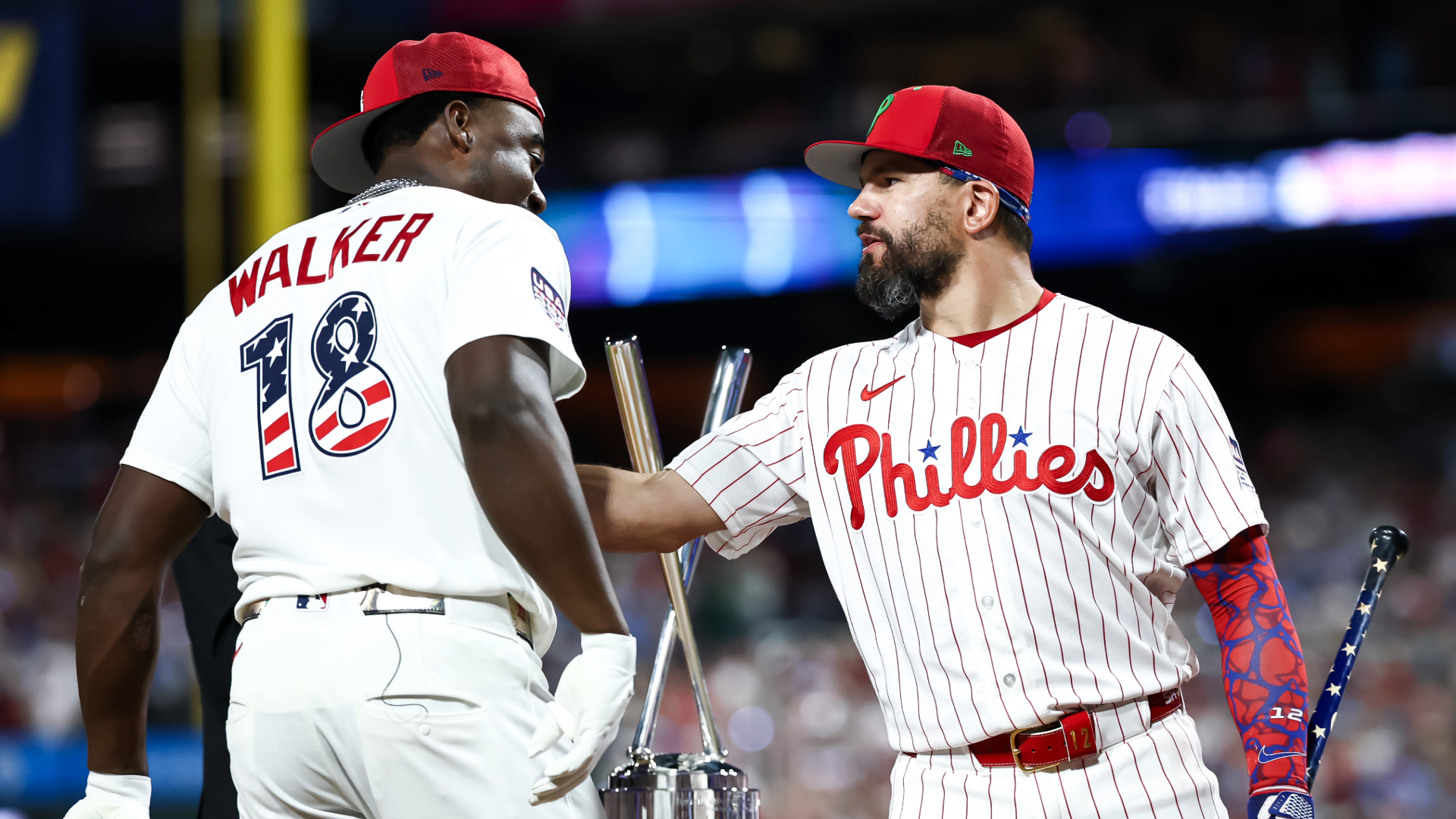
Major League Baseball has shelved the shot clock it introduced at the All-Star Home Run Derby just two seasons ago, opting to return the showcase to an untimed format at Citizens Bank Park in Philadelphia next month. ESPN reported the change on 18 June 2026 at 22:59 UTC, framing it as a concession to the rhythm of an event that has always lived or died on spectacle rather than speed.
The move is small in sporting terms — a single rule tweak to a single exhibition — but it is also a quiet confession about how baseball actually monetises its biggest nights. The Derby is sold to broadcasters and sponsors as theatre, and theatre does not run on a timer.
What changed, and what didn't
According to ESPN's report, MLB's operations group decided that the bonus-time period added in 2024 produced more confusion than drama, particularly during the bonus rounds where hitters accumulated additional seconds for distance milestones. The untimed format restores the original cadence: each participant gets a fixed allotment of outs and the freedom to pace the round however they see fit. No structural change to the bracket, seeding or field size was disclosed in the report.
It is worth noting what stayed in place. MLB continues to use a pitch clock during regular-season and post-season games, a rule introduced in 2023 that has demonstrably shortened contests and drawn both praise and persistent criticism from traditionalists. The Derby reversal is therefore not a retreat from pace-of-play reform writ large; it is a recognition that the same medicine does not fit every setting. League officials quoted in the ESPN piece — without direct attribution to a named executive — said the decision was made independently of the regular-season clock, which has been retained.
The broadcast economy of a spectacle
The Home Run Derby is one of the few nights of the year when MLB reaches a casual audience that does not otherwise engage with the sport. Sponsorship inventory, advertiser unit pricing and primetime lead-in value all hinge on sustained attention during the final round, when the leader takes the last swings of the night. A timer introduces a quiet anxiety that does not serve that economic logic: viewers are subtly told to expect an end, and an expected end is an undercut ratings curve.
By removing the clock, MLB is implicitly betting that length itself is the product — that ten minutes of bonus swings from a generational slugger is worth more to a rights-holder than a tighter, more efficient round. That is a defensible call. It is also the same logic that has historically kept baseball resistant to the kinds of pace innovations other leagues adopted earlier. The sport's commercial centre of gravity remains the marquee individual moment, not the cumulative game flow.
The player perspective
Slugging contests are a craft exercise as much as an athletic one. Hitters work with their own breathing patterns between cuts, manage fatigue through the round, and adjust bat selection mid-event. The bonus-time structure, designed to reward distance, forced a particular trade-off: a hitter could chase harder swings for marginal yardage gains and risk running out of clock before accumulating outs, or play conservatively and forfeit the extra seconds. ESPN's reporting suggests feedback from players and their representatives factored into the reversal, though the report does not name the specific athletes or agents involved.
There is a counter-narrative worth holding in view: a timed format arguably rewarded discipline and in-round strategy in ways the open-ended version does not. A hitter willing to swing earlier and harder could compress more production into a fixed window. Returning to the untimed format privileges the marathon archetype — the patient, rhythmic batter who spaces swings and conserves energy — over the sprinter. For a league that has spent two decades trying to manufacture more action per minute, that is a notable aesthetic choice.
Stakes for July
The All-Star festivities in Philadelphia will land in a market that has already proven it can absorb baseball's biggest weekend. Citizens Bank Park hosted the 2024 regular-season schedule and has the infrastructure — transit access, hotel density, sponsorship base — to support the travelling circus the Derby brings. The field itself remains unannounced at the time of ESPN's report. The format change does not alter the bracket mechanics or the slot allocations; it simply restores the timer-less baseline.
The broader question is whether this is a one-off correction or the opening move in a wider rollback. League sources quoted by ESPN framed it as the former — a targeted fix to a single event's pacing problems. But the optics matter. After two years of selling pace-of-play reform as a league-wide philosophy, scrapping the clock from the league's most-watched non-game event sends an ambiguous signal to fans, players and broadcast partners about how seriously that philosophy applies outside the regular season. Monexus finds that the more honest read is structural: the Derby is a different product, sold to a different audience, on a different economic model. Treating it like a regular-season game was always going to require eventually admitting it isn't one.
This publication framed the Derby reversal as a broadcast-economy story rather than a pace-of-play story — the distinction the league's own messaging tried to blur.
Wire provenance
This editorial synthesis draws on the following public wire/social posts:
- https://en.wikipedia.org/wiki/Home_Run_Derby
- https://en.wikipedia.org/wiki/2026_Major_League_Baseball_All-Star_Game
- https://en.wikipedia.org/wiki/Citizens_Bank_Park